

Salt water hot tub benefits for inflatable spas
Salt Water vs. Chemical Hot Tubs works best as a clear sequence: define the constraint, compare the realistic options, test the tradeoff, and choose the path with the fewest hidden costs. That order keeps the advice usable instead of decorative. After each step, pause long enough to check whether the recommendation still fits the reader's actual situation. If it depends on perfect timing, unusual access, or a best-case budget, include a simpler fallback.
The simplest way to use this section is to write down the real constraint first, compare each option against it, and choose the path that still works outside ideal conditions.
How salt systems work in inflatable hot tubs
It is important to understand that salt systems in inflatable hot tubs are rarely built-in features. For most budget-friendly models from Intex, Coleman, and SaluSpa, the salt cell is an optional add-on module that integrates with the existing filtration pump. Unlike permanent spas with dedicated circulation loops, these portable units rely on a single pump that handles both water circulation and filtration.
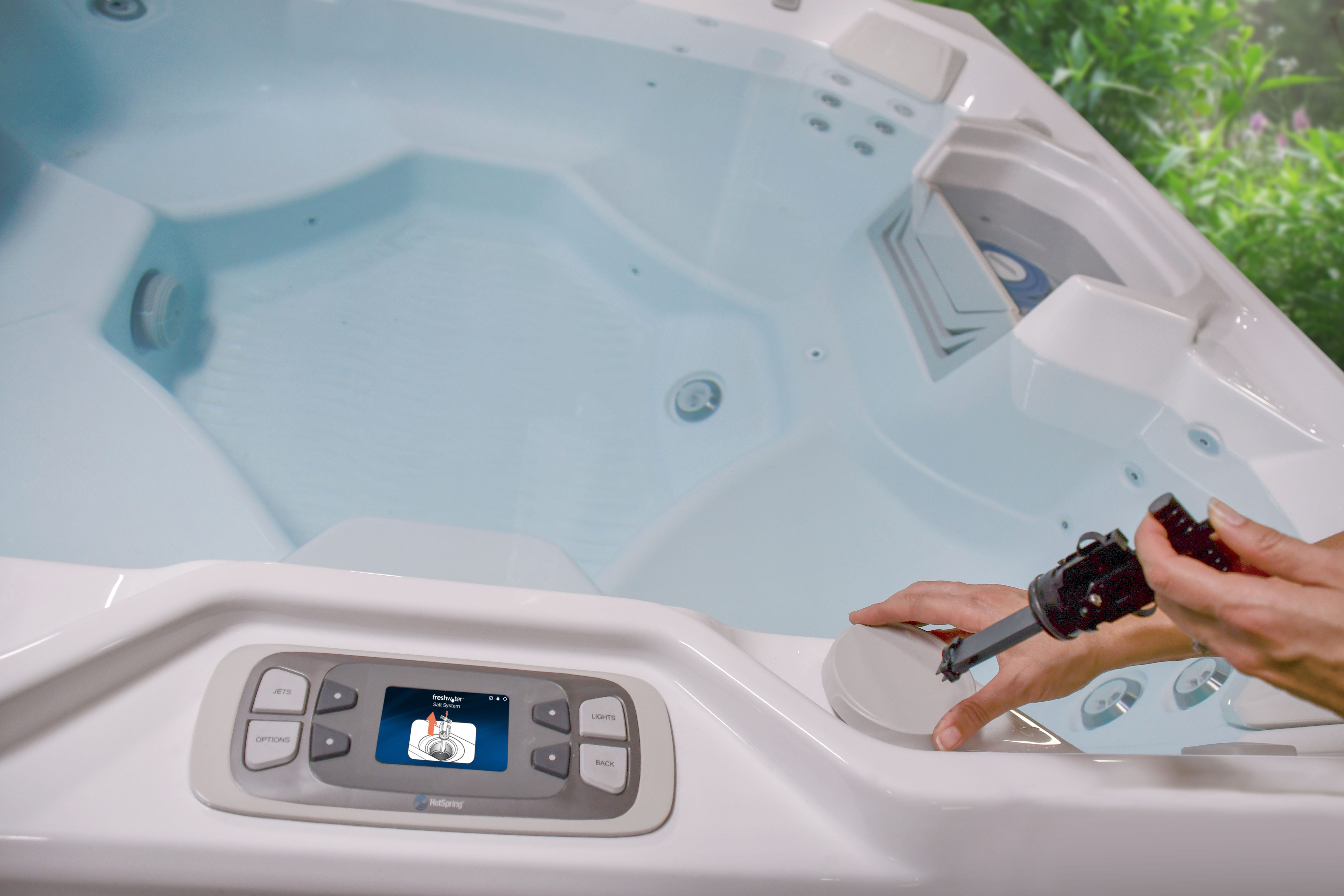
The salt cell typically clips into the return line or replaces a section of the plumbing after the filter cartridge. When the pump runs, water flows through the cell, where an electric current splits the dissolved salt into chlorine and sodium hydroxide. This process sanitizes the water as it returns to the tub. Because the pump must be running for the system to generate chlorine, you cannot rely on the salt system to sanitize the water while the tub is idle.
This dependency means the salt system is essentially an automated chlorine generator rather than a completely chemical-free solution. You still need to balance pH and alkalinity manually, just as you would with traditional chlorine tablets or liquid bleach. The primary advantage is convenience: once the salt level is set, the system maintains a steady chlorine output without requiring you to add shock or tablets regularly.
Maintenance and water chemistry choices that change the plan
Choosing between salt and chemical systems comes down to how you prefer to spend your weekly spa time. Salt water hot tub benefits are most visible in reduced dosing frequency, but they shift the workload from liquid handling to hardware care. Chemical systems demand regular testing and pouring, but they require no specialized cell maintenance.
Salt systems generate chlorine automatically, meaning you rarely need to add shock or stabilizers. However, the salt cell itself needs cleaning every few months to remove calcium buildup, and you must monitor salt levels to keep the generator running efficiently. This tradeoff suits owners who want to skip the weekly chlorine bucket but don’t mind occasional scrubbing of the cell.
Chemical systems, used by brands like Coleman and basic Intex models, rely on manual testing strips and liquid additives. You’ll add chlorine, alkalinity increasers, and pH balancers more often. While this feels more hands-on, it avoids the risk of a failed cell or the need to buy specific salt for your spa. It’s a predictable, low-tech approach that works well if you already have pool chemicals on hand.
The table above highlights the core difference: salt systems automate the chemistry, while chemical systems require active management. For portable spas like SaluSpa, salt systems can extend water life, potentially lasting up to a year between drains, whereas chemical systems typically require draining every three to four months due to chemical buildup.
If you prioritize convenience and softer skin feel, the salt water hot tub benefits justify the initial cell cost. If you prefer total control and lower upfront complexity, traditional chemicals remain a reliable choice for inflatable hot tubs.
Compatibility with Intex, Coleman, and SaluSpa
When you buy an Intex, Coleman, or SaluSpa hot tub, the purchase price is usually all-inclusive. The tub, the pump, the cover, and the chemical floater come in one box. However, salt water hot tub benefits often require a different setup than what the manufacturer provides. Most of these inflatable models do not come with salt chlorinator cells installed. They are designed for manual chemical dosing using the included floater.
If you want the softer skin feel of a salt system, you will likely need an aftermarket salt cell. These kits are designed to fit into the standard return line of portable spas. Before buying, check your specific model’s plumbing. Some older Intex or Coleman pumps may not have the correct threading or flow rate to support a salt cell without additional adapters. SaluSpa models generally follow similar standards, but always verify the pump specifications.
Using salt in these soft-sided tubs is possible, but it changes the maintenance routine. Salt is corrosive to certain metals and plastics over time. If you install a salt cell, you must rinse the exterior of the tub more frequently to prevent salt residue from damaging the vinyl or the pump housing. You also need to monitor your salinity levels closely, as portable spas have smaller water volumes than permanent spas. A small change in salt amount can drastically alter the concentration, so precision matters.
For many inflatable hot tub owners, the extra hassle of adding a salt cell isn't worth it. The manual chemical floater that comes with your tub is cheap, reliable, and requires no installation. If you prefer the simplicity of "set it and forget it" chemistry, stick to the standard chlorine or bromine tablets. You get the same sanitization results without the risk of corrosion or the need for specialized aftermarket parts.
Which system fits your inflatable hot tub
Choosing between salt and chemical sanitization comes down to two priorities: skin comfort and upfront cost. Salt water hot tub benefits are most visible if you have sensitive skin or simply dislike the sharp chlorine smell that lingers in the air. The salt chlorine generator in brands like Intex or SaluSpa produces chlorine on demand, creating softer water that feels less drying on your skin and hair.
Chemical systems, typically found in basic Coleman models or entry-level SaluSpa units, rely on manual dosing of shock and stabilizer. This approach requires more frequent testing and handling of harsh powders, but it keeps initial costs low. You avoid buying a dedicated salt generator cell, which can be expensive to replace if it fails.
If you want a "set it and forget it" routine with gentler water, the salt system is the better long-term investment despite the higher starting price. If you prefer total control over your chemistry and want to keep startup costs minimal, traditional chemicals are the practical choice.
Salt System FAQs
Managing water in a salt water hot tub differs significantly from traditional chemical systems. Here are the most common questions for Intex, Coleman, and SaluSpa owners.
Top inflatable hot tubs for salt systems
Not all inflatable hot tubs are built to handle the specific demands of a salt water system. While you can add aftermarket salt cells to many models, some brands and liners are more resistant to the corrosive nature of salt than others. Choosing a tub with high chemical tolerance and a robust pump system ensures your investment lasts longer without premature wear.
The Intex PureSpa series remains a favorite for salt water conversion. Its durable puncture-tech liner holds up well, and the built-in filter cartridge system makes it easy to swap out filters when switching from traditional chlorine to salt-generated sanitization. Many owners pair these with third-party salt chlorinators for a gentler soak that reduces skin and eye irritation.
Coleman SaluSpa models offer a similar value proposition. The triple-layer construction provides good insulation and durability, but you must monitor your salt levels closely. These tubs lack built-in salt generators, so you’ll need to manually add salt and use a separate chlorinator module. This DIY approach keeps initial costs low but requires more active maintenance.
SaluSpa (by Bestway) often features a wider selection of models with higher pump capacities. This is important because salt systems work best with consistent water flow to properly generate chlorine. If you’re looking for a ready-to-use salt water hot tub experience, look for SaluSpa models that explicitly mention compatibility with salt systems or include a dedicated salt cell slot.


As an Amazon Associate, we may earn from qualifying purchases.
No comments yet. Be the first to share your thoughts!