

Salt water hot tub benefits explained
It is a common misconception that saltwater hot tubs are chemical-free. They are not. Systems found in popular inflatable models like Intex, Coleman, and SaluSpa use a salt cell to generate chlorine from dissolved salt. This process creates a continuous, low-level supply of sanitizing chlorine without the need to manually handle harsh chemicals.
The primary benefit of this method is gentleness on the body. Saltwater is much softer and more buoyant than traditional chlorinated water, which significantly reduces the dryness and irritation often associated with standard hot tubs. For winter soaking, this comfort is notable; the water feels smoother on the skin and does not carry the strong chlorine odor that can linger in cold air.
Maintenance becomes more predictable as well. Instead of testing and adding chemicals every few days, you simply monitor the salt levels periodically. This automation makes it easier to keep the water clean during winter months when you might be using the tub less frequently but still want it ready for spontaneous soaks.
Salt vs. chemical water comparison
Choosing between a salt system and traditional chemicals comes down to how you want to manage your spa. Salt systems generate chlorine on demand, creating a softer water environment, while traditional dosing relies on steady inputs of granular or liquid sanitizers. For portable models like the Intex PureSpa, SaluSpa, or Coleman SaluSpa, this choice directly impacts skin comfort and winter maintenance effort.
Salt water hot tub benefits are most noticeable in reduced irritation. The sodium in saltwater actively softens the water, creating a less harsh environment for your skin, eyes, and hair compared to the sharper feel of heavily chlorinated water. This is particularly useful during winter months when dry indoor air and cold temperatures can exacerbate skin sensitivity. Users often report that salt systems smell less like a swimming pool, offering a more natural bathing experience without the strong chemical odor that can linger in small, enclosed spaces.
Maintenance frequency also shifts with the method. Traditional chemical dosing requires regular testing and manual additions to maintain sanitizer levels, which can be tedious in freezing weather. Salt systems automate much of this process, though they still require periodic water changes. While traditional systems typically need a full drain every three to four months, salt systems can often extend water life up to a year, depending on usage and filtration.
For portable hot tubs, the initial investment favors traditional chemicals. A basic starter kit for Intex or Coleman models is inexpensive and readily available. Salt systems require purchasing a specific salt cell or generator, which adds to the upfront cost. However, the long-term convenience of not constantly managing chemical levels often justifies the expense for frequent users, especially when trying to keep a SaluSpa at a comfortable temperature during colder months.
Best inflatable hot tubs for winter
Choosing the right inflatable model for winter depends on how well it holds heat and resists the cold. Salt water hot tub benefits include reduced chemical maintenance, which is especially useful when freezing temperatures make regular testing harder. A stable salt system means less monitoring, letting you focus on keeping the water warm.
Intex PureSpa Plus
The Intex PureSpa Plus uses a durable two-layer polyester frame and an inline heater that keeps temperatures steady. Its insulated cover traps heat effectively, reducing energy costs during cold snaps. Salt water systems integrate well here, offering softer skin feel and lower chlorine demand.
Coleman SaluSpa
Coleman’s SaluSpa models feature a TechAir system with air jets that adjust pressure for comfort. The triple-layer construction helps retain heat in chilly weather. With a salt water setup, you get the same durability with gentler water that is easier on skin and eyes.
SaluSpa Helsinki
The SaluSpa Helsinki is built for colder climates with reinforced walls and a robust heater. It maintains temperature longer than standard models, making it a strong choice for winter use. Adding a salt water system reduces the need for harsh chemicals, keeping the water clean and comfortable.



As an Amazon Associate, we may earn from qualifying purchases.
Essential winter maintenance accessories
Keeping a salt water hot tub running smoothly in freezing temperatures requires more than just setting the thermostat. While the salt chlorine generator handles sanitation, the physical components of Intex, Coleman, and SaluSpa models need specific protection to survive the cold. The right accessories prevent heat loss, protect delicate plumbing, and keep water chemistry balanced without constant attention.
Insulated covers and thermal blankets
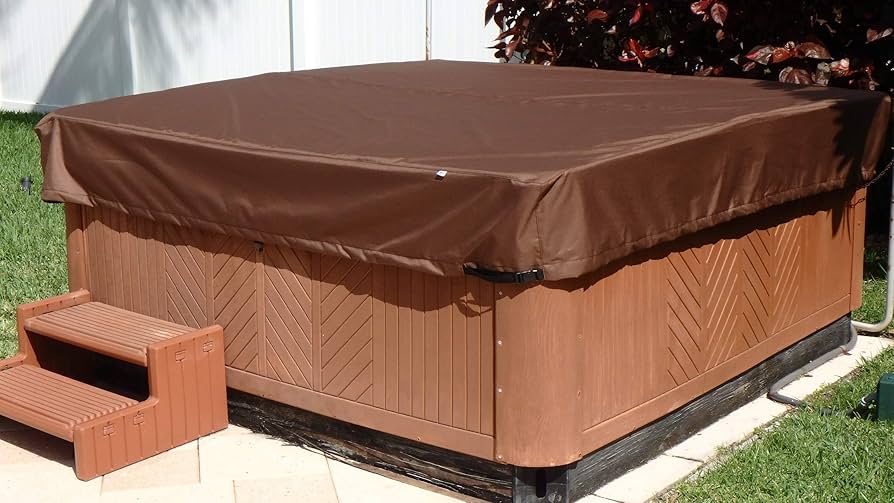
Heat escapes through the surface of the tub, especially when wind picks up. A high-density insulated cover is the first line of defense. For SaluSpa and Intex models, standard covers often lack sufficient R-value for harsh winters. Adding a thermal blanket under the main cover can reduce heating costs by up to 50%. Look for covers with reinforced seams and sturdy buckles that won’t snap under ice weight.
Freeze protection and pipe blow-out kits
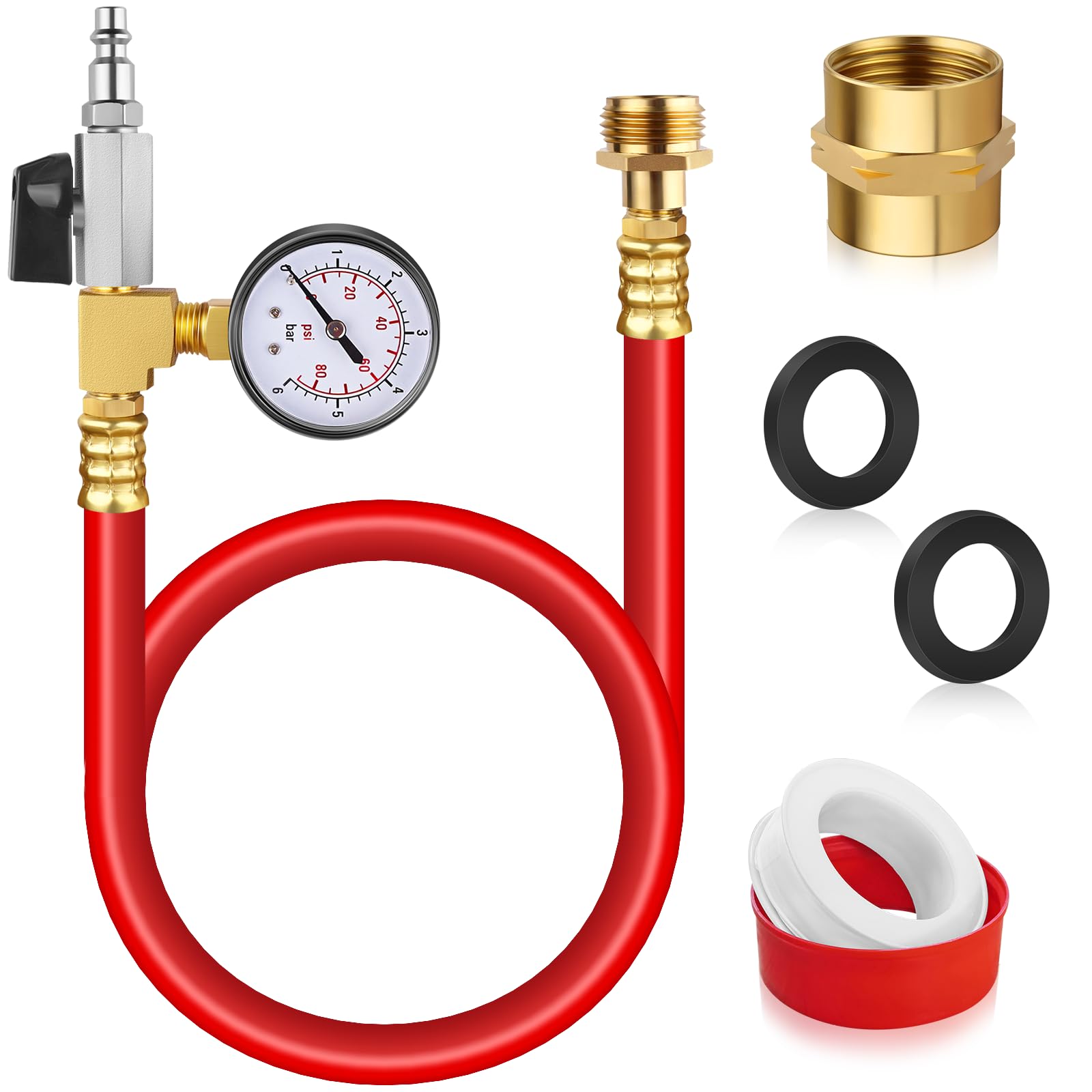
Portable hot tubs lack built-in freeze protection systems found in permanent spas. When temperatures dip below freezing, water left in the pump and filter lines can expand and crack the housing. A blow-out kit with a simple air compressor adapter allows you to clear residual water from the lines before the deepest cold hits. This is a one-time seasonal task that prevents costly pump replacements.
Winter-grade chemical testing kits
Salt water systems produce chlorine, but they do not eliminate the need for pH and alkalinity monitoring. Cold water holds chemicals differently, and salt levels can fluctuate as water evaporates or gets topped up. A digital testing kit provides accurate readings for salt concentration and total alkalinity. Regular checks ensure the salt cell generates chlorine efficiently without corroding internal components.
Protective spa pads and covers
The base of inflatable hot tubs sits directly on the ground, where moisture and cold can degrade the vinyl floor. A heavy-duty spa pad provides insulation from the cold earth and protects the tub floor from punctures. For SaluSpa and Coleman models, a reinforced pad also helps stabilize the tub against wind uplift, keeping it level and secure throughout the winter months.


As an Amazon Associate, we may earn from qualifying purchases.
Winter maintenance checklist
Keeping your inflatable hot tub running smoothly through the cold months requires a proactive approach. Salt water hot tub benefits include gentler water chemistry, but the salt cell and plumbing still face real risks from freezing temperatures and chemical drift. Follow this ordered checklist to protect Intex, Coleman, and SaluSpa models before and during winter use.
Salt systems reduce chlorine odor, but dissolved solids still accumulate. Unlike traditional spas that need frequent changes, a salt water system can extend water life up to a year, but mineral buildup eventually clouds the water. Drain and refill your Intex or Coleman tub every three to four months to prevent scaling on the salt cell and filters.
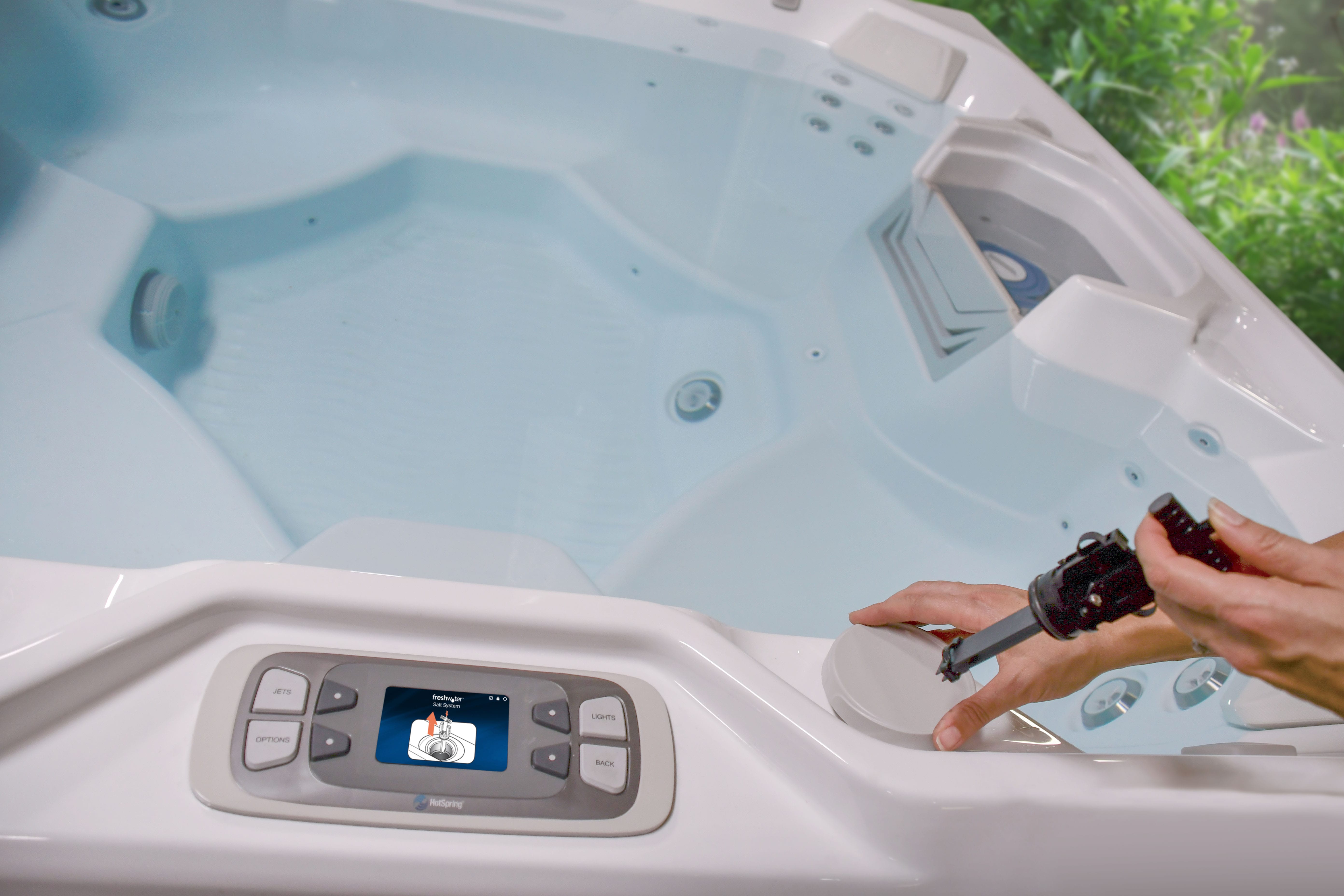
Salt water hot tub benefits rely on consistent sanitizer production. Before winter, verify that your SaluSpa or Intex salt cell is producing chlorine at the expected rate. If the output drops, clean the cell plate with a descaler. Ensure the salt concentration is between 2,500 and 3,500 ppm; too little salt stops production, while too much accelerates corrosion on metal fittings.
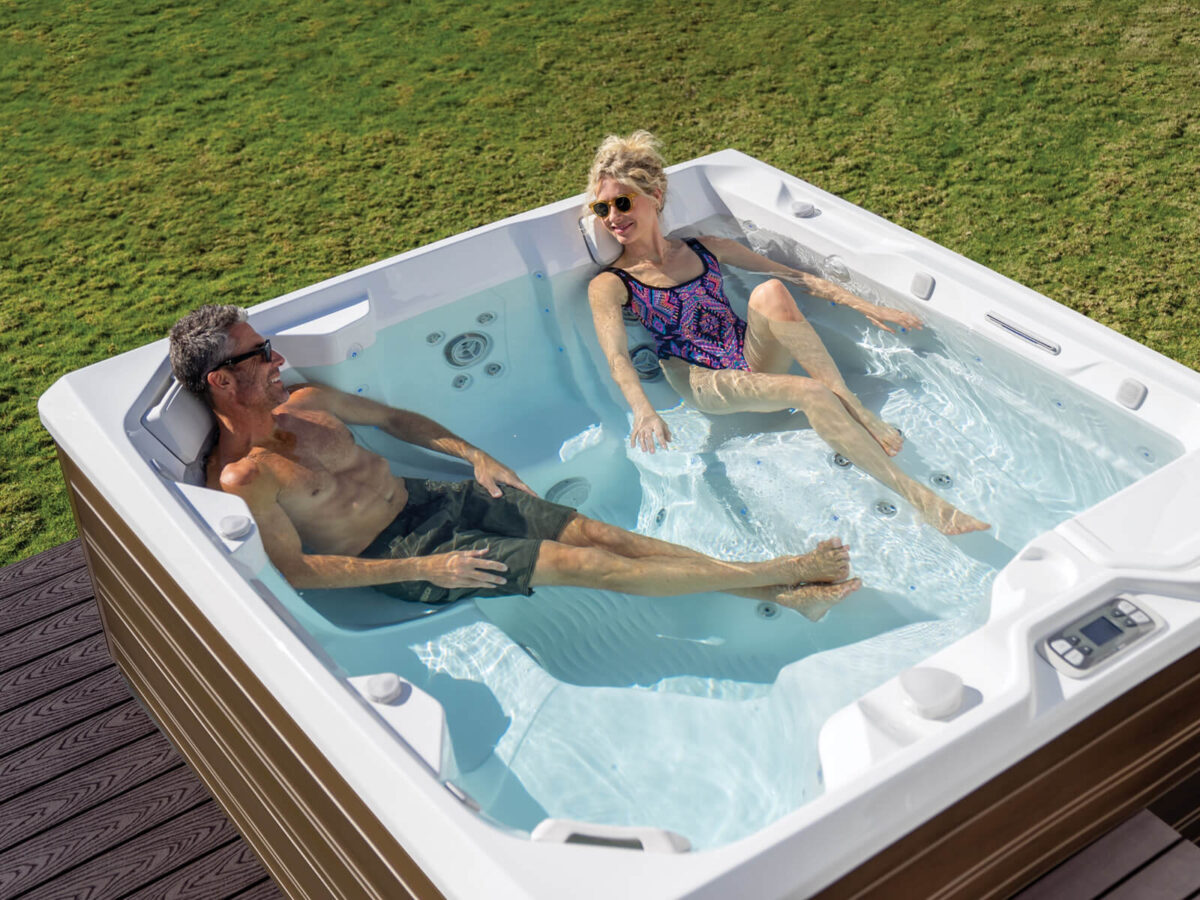
Inflatable tubs lack rigid insulation, making them vulnerable to cold snaps. Wrap exposed hoses with foam pipe insulation and secure it with tape. Lower the heater’s freeze protection threshold if your model allows it, but keep the water circulating. Stagnant water freezes faster and can crack the internal pump housing in Coleman models.
Salt systems are sensitive to pH swings. High pH reduces sanitizer efficiency, leading to cloudy water. Test your water twice a week during winter. Keep pH between 7.4 and 7.6 and total alkalinity between 80 and 120 ppm. Adjust with muriatic acid or soda ash as needed. Consistent balance prevents skin irritation and protects the salt cell from premature failure.
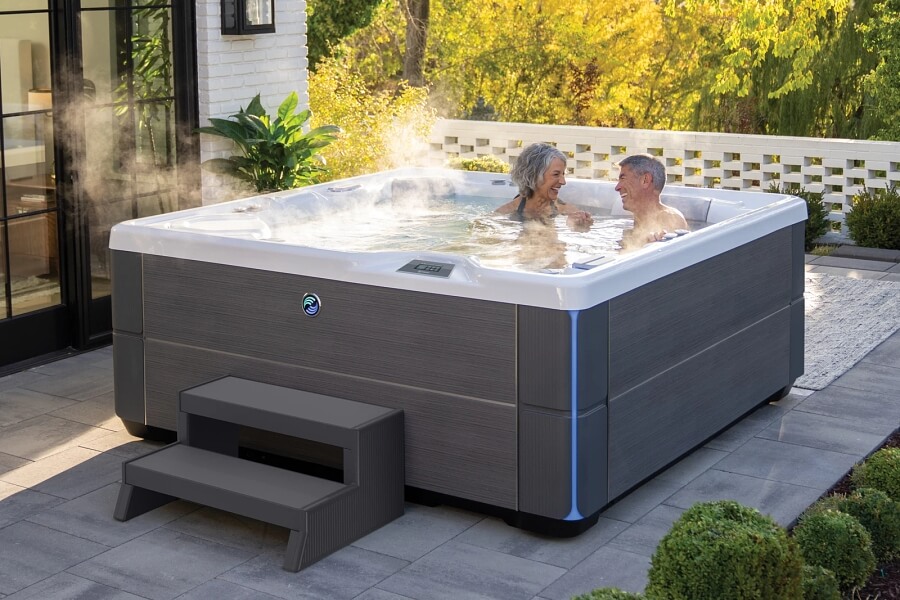
Cold water holds fewer chemicals, so dirty filters work harder. Remove and rinse your Intex or SaluSpa filters every two weeks. Soak them in a filter cleaner monthly to remove oils. Inspect the thermal cover for cracks or water weight. A heavy, waterlogged cover drains heat rapidly, forcing the heater to run constantly and increasing energy costs.
How often to change salt water hot tub water
Salt systems significantly extend water life compared to traditional chemical setups. While spas using standard chlorine or bromine require a full drain and refill every three to four months to manage chemical buildup, a salt water hot tub can maintain clear water for up to a year. This reduction in water turnover is a primary benefit for owners of Intex, Coleman, and SaluSpa models, particularly during winter when draining and refilling becomes cumbersome in freezing temperatures.
Even with a salt generator, you cannot ignore basic maintenance. The salt cell produces chlorine, but minerals and total dissolved solids still accumulate over time. For inflatable models like the SaluSpa or Intex, which have smaller water volumes, mineral buildup happens faster than in permanent fiberglass tubs. Regular testing and partial water top-offs help maintain balance, but expect to perform a complete water change annually to keep the system running efficiently.
No comments yet. Be the first to share your thoughts!