

How we chose these inflatable spas
Selecting the best Intex hot tubs requires balancing four practical factors: capacity, heating efficiency, jet type, and durability. We evaluated current models against these criteria to ensure each recommendation serves a specific use case, from compact weekend getaways to larger family gatherings.
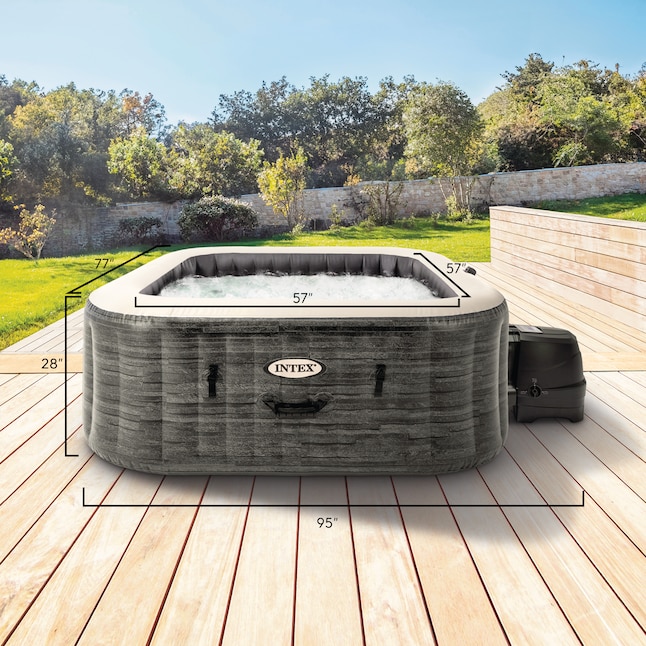
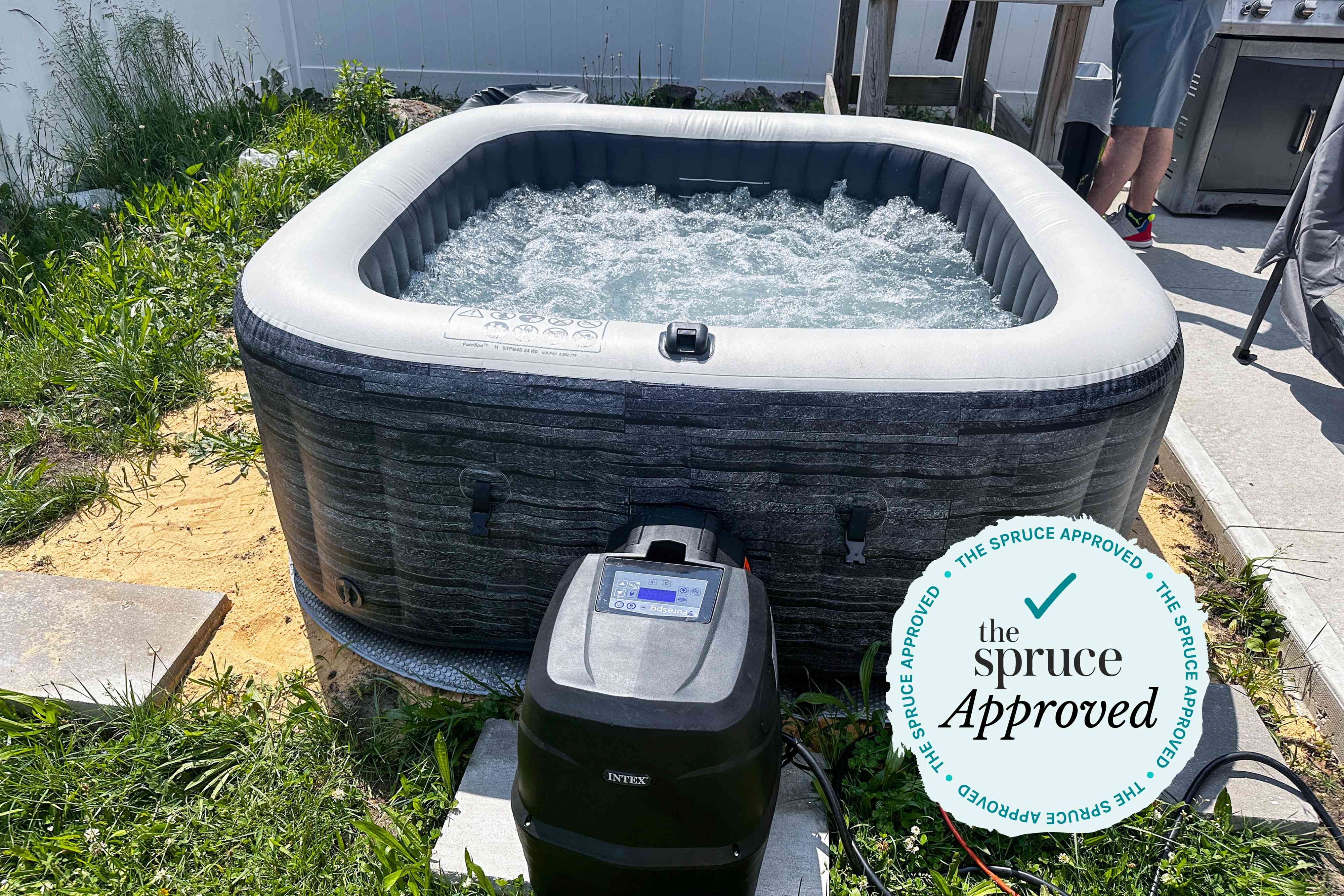
Capacity is the first filter. We prioritized models that offer genuine seating for their stated size, avoiding inflated claims that leave users cramped. The Intex PureSpa line, for example, is known for its square configurations that maximize corner space, making the 4-person and 6-person models particularly efficient for small patios or decks.
Heating efficiency and jet type define the user experience. We looked for units with reliable heating elements that maintain temperature without excessive energy draw, and jet systems that provide consistent bubble massage rather than sporadic bursts. Durability was assessed by examining the thickness of the vinyl layers and the quality of the reinforced structure, ensuring the tubs can withstand regular use and varying weather conditions.
Note: We focus on current market availability and verified feature sets. Prices and ratings change frequently; check Amazon for live data.
The following section breaks down our top picks, highlighting how each model performs across these key areas. We have excluded models with known structural weaknesses or poor heating performance to keep this list focused on reliable, high-value options.
Top Intex PureSpa models compared
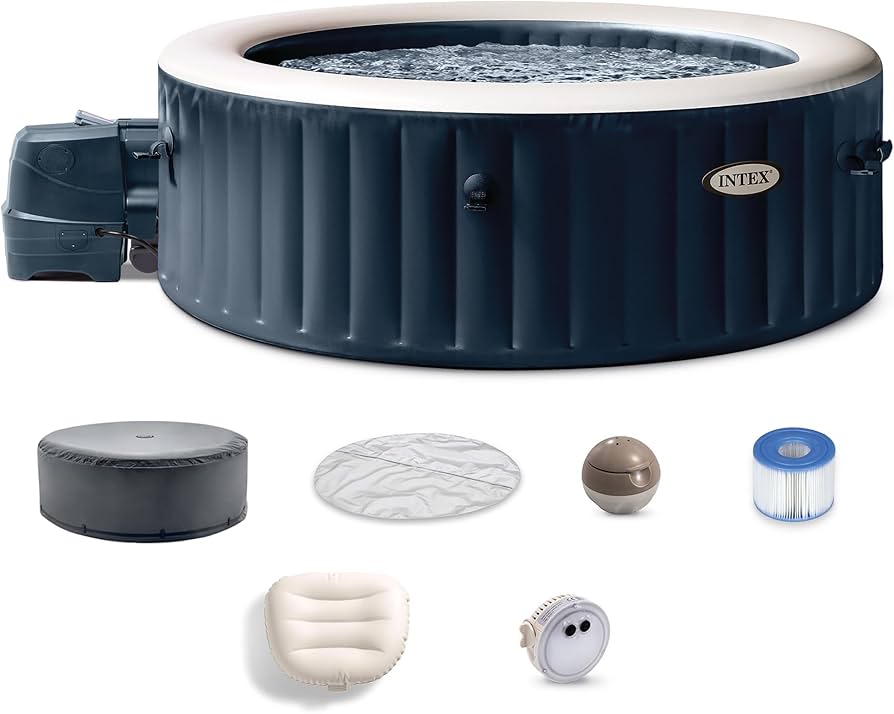
Intex structures its inflatable hot tub lineup around three distinct water movement technologies. Understanding the difference between bubble massage and air jets helps you choose the right fit for your body type and space. The Intex PureSpa models prioritize targeted relief, while the PureSpa Plus focuses on full-body immersion with broader coverage.
The PureSpa Jet and Bubble Deluxe model combines both technologies, offering a middle ground for users who want the deep pressure of jets alongside the gentle buoyancy of air bubbles. This versatility makes it a strong contender for couples or small families who share the tub frequently.
Below is a side-by-side comparison of the core features that distinguish these popular Intex configurations.
| Model | Capacity | Jet Technology | Key Features |
|---|---|---|---|
| PureSpa (Original) | 4-5 Person | AirJets (Bubble Massage) | Basic filtration, standard heating |
| PureSpa Plus | 6 Person | AirJets (170 Jets) | LED lighting, headrests, hard water treatment |
| PureSpa Jet and Bubble Deluxe | 6-7 Person | Hybrid (Jets + AirJets) | DuoSpray technology, LED lighting |
The PureSpa Plus is often the best choice for larger groups. With 170 AirJets, it creates a wider, more uniform bubble massage across the seating area. It also includes practical upgrades like built-in headrests and a hard water treatment system, which helps protect the liner and heating element in areas with mineral-heavy water.
If you prefer a deeper, more targeted massage, the PureSpa Jet and Bubble Deluxe uses DuoSpray technology. This system allows you to switch between high-pressure water jets and gentle air bubbles, or use them simultaneously. This adaptability is useful for soothing specific muscle groups after a workout while relaxing the rest of the body.
All these models share the same durable 3-ply construction, which includes a polyester mesh interior and a vinyl exterior. This design helps retain heat more effectively than earlier inflatable models, reducing the energy needed to maintain comfortable water temperatures.


As an Amazon Associate, we may earn from qualifying purchases.
Best budget option: Intex SimpleSpa
If you are looking for the most affordable way to step into hot tub territory, the Intex SimpleSpa is the entry-level standard. It strips away the complex jet systems and digital controls found in higher-tier models, leaving only the essential components: an inflatable structure, a heating element, and a basic filtration pump. This minimalism is exactly what makes it a smart choice for casual users who want relaxation without the learning curve or the premium price tag.
The SimpleSpa is particularly well-suited for small spaces or those who prioritize cost over advanced features. Its compact footprint and straightforward setup process mean you can have it ready in an afternoon without specialized tools or permanent installation. For readers who view a hot tub as a seasonal treat or a simple way to unwind after work, this model delivers the core experience of warm water therapy without the extra bulk or expense.
It is important to manage expectations regarding performance. While it heats water effectively, the insulation and heating speed are not on par with the insulated PureSpa models. However, for short, occasional sessions, the trade-off is often worth it. You get the physical benefits of hydrotherapy and the mental relief of warm water, just in a simpler, more budget-friendly package.

As an Amazon Associate, we may earn from qualifying purchases.
SaluSpa and Coleman alternatives
While Intex dominates the budget inflatable hot tub market, two other brands frequently appear in the same conversation: SaluSpa and Coleman. Understanding how these competitors differ from Intex models helps you decide if the extra cost is justified for your specific needs.
SaluSpa: Better Build, Similar Price
SaluSpa is often considered the direct rival to Intex, with products that share a similar price point but often feature slightly thicker vinyl and more robust heating elements. The SaluSpa London is a popular model that competes directly with the Intex PureSpa series. Users frequently report that SaluSpa units hold heat slightly better during colder months, a common complaint with standard Intex bubble massage models. If you prioritize durability over brand recognition, SaluSpa is a strong alternative.
Coleman SaluSpa: The Budget Option
Coleman’s entry into the inflatable spa market, often branded as "Coleman SaluSpa," targets the lower end of the spectrum. These units are generally simpler, with fewer jets and less insulation than the Intex PureSpa or SimpleSpa lines. They are suitable for occasional summer use but may struggle to maintain temperature in cooler climates. For buyers strictly focused on the lowest possible entry price, Coleman offers a functional, if basic, option.
Key Differences to Consider
When comparing Intex to these alternatives, focus on the heating system. Intex PureSpa models typically use a more efficient heater than basic Coleman units. SaluSpa sits in the middle, offering better insulation than Coleman but sometimes lacking the advanced filtration systems found in higher-end Intex PureSpa models. Always check the jet count and pump wattage, as these directly impact how quickly the water heats up and how effective the massage feels.


As an Amazon Associate, we may earn from qualifying purchases.
Maintaining water clarity and temperature
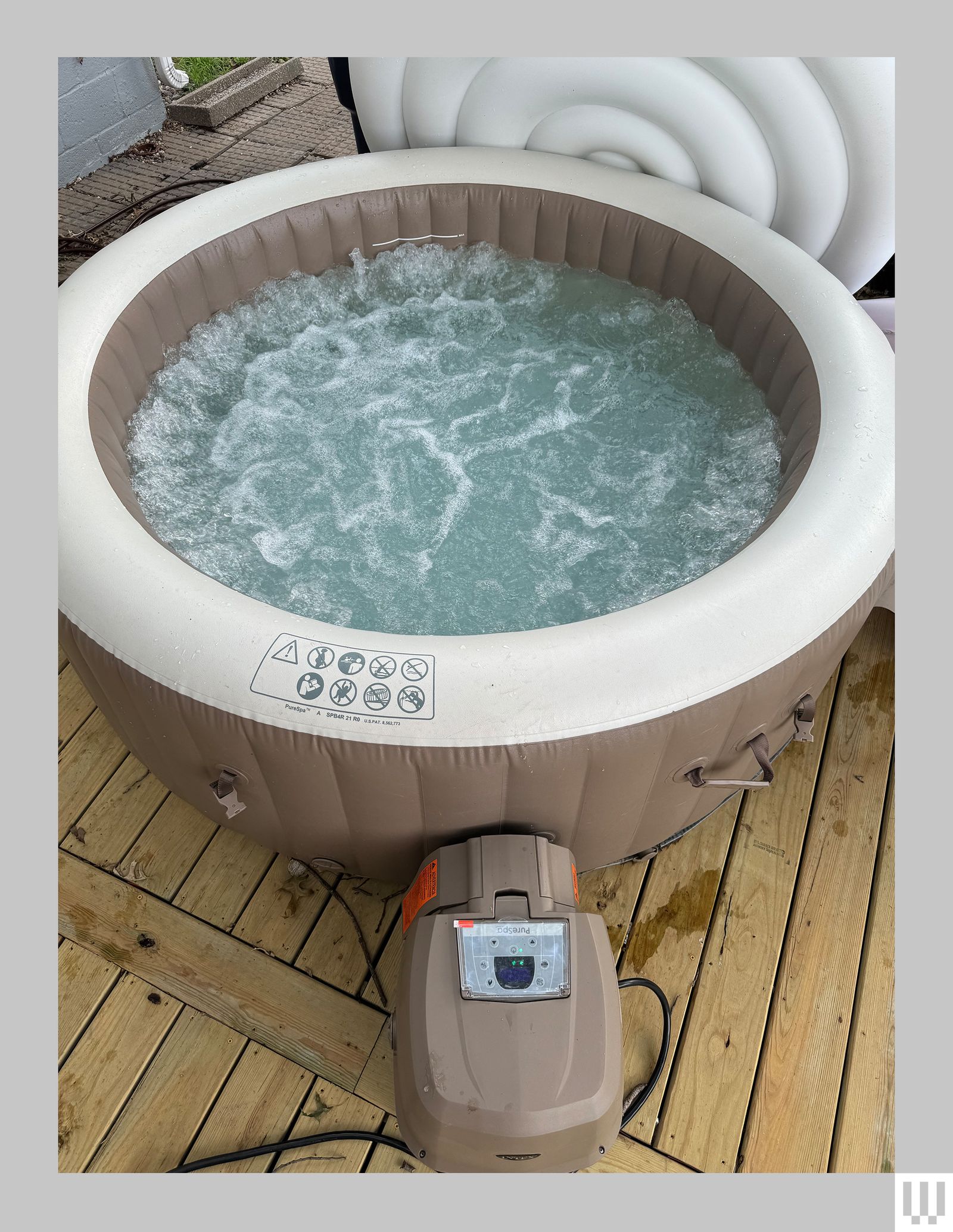
Keeping an Intex hot tub clean and warm is less about constant effort and more about consistent habits. The built-in filtration and heating systems in models like the PureSpa and SimpleSpa are efficient, but they rely on you to keep the water balanced. Think of your spa as a small, closed ecosystem; if the chemistry drifts, the heater works harder and the water turns cloudy.
Water chemistry is the first line of defense. Use test strips to check pH (aim for 7.2–7.6) and alkalinity before adding sanitizer. Chlorine or bromine tablets go into the floating dispenser, not directly into the water, to prevent damage to the liner. Consistent testing prevents the cloudy water that often forces a full drain and refill.
The filter catches debris before it clogs the pump. Pull the cartridge out once a month and rinse it with a garden hose. If the water flow feels weak or the filter looks greasy, replace it. A clogged filter forces the heater to run longer, driving up your electric bill and stressing the unit.
Heat loss is the enemy of efficiency. Check the cover for tears or waterlogged insulation every few weeks. If the cover doesn’t snap shut tightly, warm air escapes. Use a vinyl protectant on the cover to keep the material flexible and prevent cracking in cold weather. A tight seal keeps the temperature stable between uses.
Even with good chemicals, minerals and contaminants build up over time. Drain the tub completely every 60–90 days. Scrub the interior with a mild, non-abrasive cleaner to remove scale. Refill with fresh water and re-shock the chemical balance before the first use. This routine prevents the "slimy" feel and keeps the water clear.
Salt water conversion benefits
Many inflatable hot tub owners wonder if switching to a salt system is worth the effort. The short answer is that salt water offers softer skin and less chemical odor, but it is not a plug-and-play upgrade for most Intex models. Unlike fiberglass or acrylic spas, inflatable tubs rely on PVC liners and plastic components that can corrode or degrade faster when exposed to higher conductivity.
How salt systems work in inflatable tubs
A salt chlorinator generates chlorine from dissolved salt, reducing the need to handle harsh chemicals directly. However, standard Intex PureSpa and SimpleSpa units are not designed to handle the electrical conductivity of salt water. Adding a salt system to a tub that lacks a compatible control panel can void the warranty and damage the pump.
Is it viable for your Intex tub?
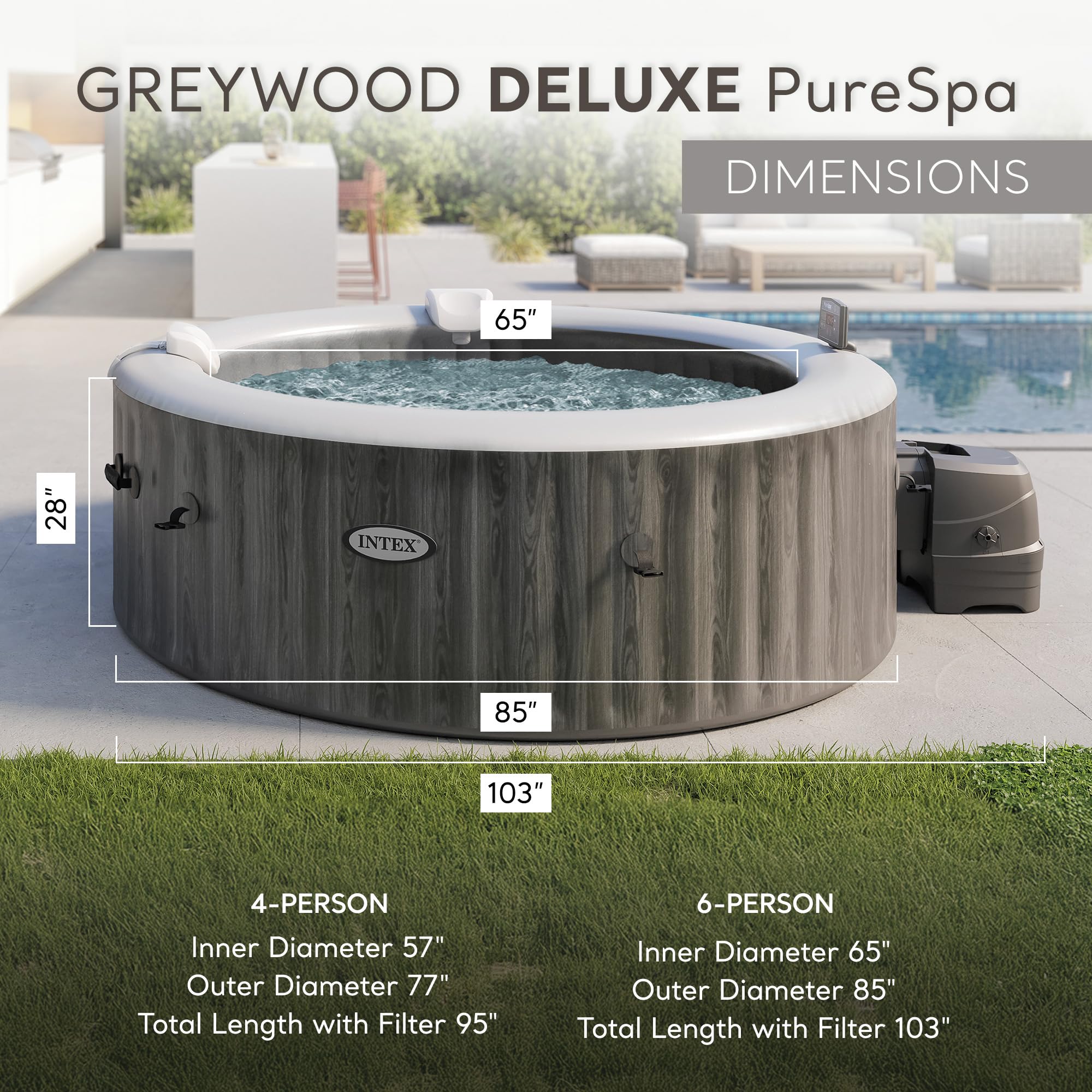
If you own an Intex PureSpa Greystone Deluxe or a similar model, you generally have two choices: stick with the traditional chlorine and bromine tablets provided in the maintenance kit, or invest in a third-party salt system specifically rated for inflatable spas. Most users find that regular testing and shock treatments are simpler and safer for their PVC structure.
Comparing salt vs. traditional chlorine
| Feature | Traditional Chlorine/Bromine | Salt Water System |
|---|---|---|
| Maintenance | Weekly testing and dosing | Automated generation |
| Skin Feel | Can be drying or irritating | Softer, less odor |
| Equipment Risk | Low (if balanced) | High (corrosion risk) |
| Cost | Low upfront, moderate ongoing | Higher upfront, lower ongoing |
For most Intex owners, the convenience of salt is outweighed by the risk to the tub's lifespan. Stick to the manufacturer's recommended chemical balance for the best results with your PureSpa or SimpleSpa.
Common questions about inflatable spas
Inflatable hot tubs like the Intex PureSpa and SimpleSpa have evolved into reliable backyard fixtures, but they still operate differently than permanent built-in spas. Understanding their lifespan, energy habits, and maintenance quirks helps you decide if an inflatable model fits your routine.
How long do Intex hot tubs last?
With proper care, an Intex inflatable hot tub typically lasts between two and five years. The lifespan depends heavily on how often you use it and how well you maintain the vinyl layers. Frequent exposure to harsh sun or freezing temperatures can degrade the material faster. Many owners find that rotating the spa or using a protective cover extends the life of the plastic significantly.
Do inflatable hot tubs cost a lot to run?
Energy costs vary based on your local electricity rates and how often you heat the water. Inflatable spas are generally more efficient than large permanent spas because they heat a smaller volume of water. Models like the PureSpa Greystone Deluxe include insulated covers that help retain heat, reducing the need for constant reheating. Expect monthly costs to range from $15 to $50 depending on usage frequency and ambient temperature.
Can I use salt systems in Intex spas?
Most standard Intex models, including the PureSpa and SimpleSpa lines, are not designed for saltwater chlorination systems. The internal pumps and jets are not corrosion-resistant enough for saltwater, which can void the warranty and damage the unit. If you prefer saltwater, look specifically for Intex models explicitly labeled as salt-system compatible, such as certain SaluSpa variants, or stick to traditional chemical balancing methods.
No comments yet. Be the first to share your thoughts!