

Salt Water Hot Tub Benefits for Inflatable Spas
The primary appeal of a salt system for your Intex, Coleman, or SaluSpa is the quality of the water itself. Unlike traditional chlorine tablets that can leave a harsh chemical smell and dry out your skin, saltwater systems generate chlorine on demand. This process creates a gentler environment that is significantly easier on your skin and hair, reducing the irritation and dryness often associated with standard chemical treatments [src-serp-8].
It is important to understand that "salt water" does not mean "chemical-free." These systems are essentially automated chlorine generators. The salt cell breaks down sodium chloride into hypochlorous acid, which sanitizes the water just like traditional chlorine does. The difference lies in the delivery method and the resulting water balance. You are still sanitizing with chlorine, but you are doing so through a continuous, low-level process rather than shocking the water with concentrated doses.
For inflatable hot tub owners, this distinction offers a major practical advantage: easier maintenance. Instead of regularly handling, storing, and measuring harsh chlorine tablets or liquid bleach, you simply add salt to the water. The system maintains the sanitization level automatically. While you still need to test the water and adjust pH levels, the day-to-day chemical handling is minimal. This makes the salt system a convenient upgrade for those who want the benefits of sanitized water without the hassle of managing multiple chemical products.
While the water feels softer and the maintenance routine is simpler, you should not expect the system to be completely hands-off. The salt cell requires periodic cleaning to remove calcium buildup, and the chlorine generation rate must be adjusted as water temperature and usage change. However, for most users, the trade-off of slightly more technical monitoring for significantly less physical chemical handling is well worth the comfort benefits.
Salt Water vs. Chemical Systems
Choosing between salt and traditional chemicals comes down to how much effort you want to put into your hot tub. Salt systems offer a gentler, more consistent water experience, while chemical systems provide lower upfront costs and familiar control.
| Feature | Salt Water | Traditional Chemical |
|---|---|---|
| Initial Cost | Higher (cell + system) | Lower (basic kit) |
| Maintenance Frequency | Less frequent testing | Daily/weekly dosing |
| Water Feel | Softer, smoother skin | Can feel harsh/dry |
| Odor | Minimal chlorine smell | Stronger chemical scent |
| Equipment Compatibility | Standard for most models | Universal compatibility |
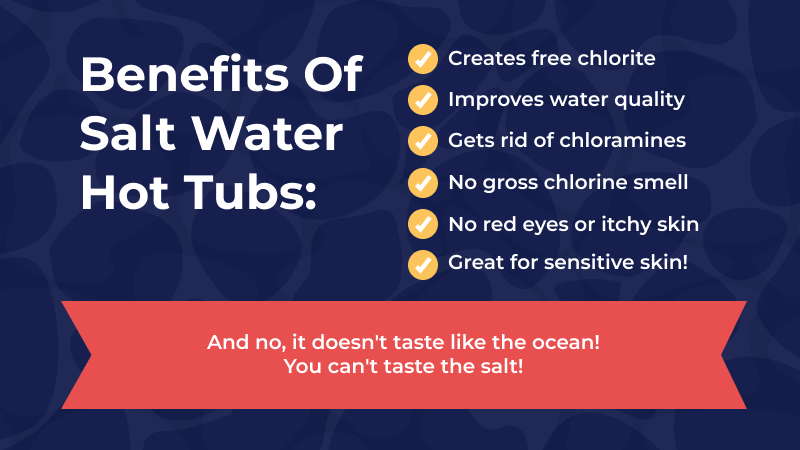
Salt water systems actively soften the water, creating a more natural environment for your skin, eyes, and hair. This means less dryness and irritation after soaking. You also deal with significantly less chlorine odor, making the spa area more pleasant for guests.
Traditional chemical systems require more hands-on work. You must test and dose water regularly to maintain safe levels. However, the initial investment is lower, and any technician can service the equipment, whereas salt cells eventually need replacement.
Skin feel and water quality differences
Salt water hot tubs offer a noticeably gentler experience on the body compared to traditional chlorine-treated models. The sodium in saltwater actively softens the water, creating a less harsh environment for your skin, eyes, and hair. This chemical difference is often the deciding factor for users who find standard hot tub water too drying or irritating after a soak.\n For those with sensitive skin or allergies, this reduced harshness is significant. Salt water is less likely to strip natural oils from your skin, preventing the tight, itchy feeling that often follows a chlorine bath. Many users report that their skin feels smoother and their hair remains more manageable after exiting the tub, eliminating the need for extensive post-soak moisturizing routines.
This sensory benefit is particularly valuable for individuals with eczema or other skin conditions that react poorly to harsh chemicals. While salt water still requires sanitization to remain safe, the process is milder, resulting in water that feels more natural against the body. The result is a relaxing experience that doesn't leave you feeling chemically exposed.
Maintenance and equipment compatibility
Owning a salt water hot tub with brands like Intex, Coleman, or SaluSpa requires a shift in how you handle daily upkeep. Unlike traditional chlorine tabs, salt systems generate sanitizer on demand, which significantly reduces the frequency of manual chemical adjustments. You won’t need to store bulky chlorine containers or worry about measuring doses daily. Instead, the system maintains a steady baseline of chlorine, meaning less hands-on monitoring and a more consistent water feel.
However, this convenience comes with a hardware caveat. Most inflatable hot tubs do not come with built-in salt systems. You must purchase a compatible third-party salt chlorine generator separately. This means you need to check the manufacturer’s specifications for your specific model to ensure the unit fits your filtration port and power requirements. Using an incompatible generator can void warranties or damage the tub’s internal plumbing.
When it comes to ongoing costs, salt is generally cheaper and easier to source than liquid chlorine. A bag of industrial-grade salt costs a fraction of what you’d spend on monthly chlorine refills. You only add salt once or twice a year, depending on water changes, whereas chlorine requires regular top-offs. This makes salt systems more predictable for budgeting, even though the initial investment in the generator itself is higher.
The tradeoff is that salt can be corrosive to metal parts over time. While inflatable tubs are mostly plastic, the pump housing and heating elements may degrade faster if the salt concentration isn’t balanced correctly. Regular testing is still necessary to keep the salt levels within the manufacturer’s recommended range, ensuring the system works efficiently without eating away at your equipment.
Best inflatable hot tubs for salt systems
Not all inflatable models play well with salt generators. The chlorine produced by salt systems is corrosive to certain plastics and seals. To get the skin-softening and low-maintenance benefits of salt water, you need a tub with a robust liner and compatible plumbing. Below are three durable, spacious options that handle salt systems well.


As an Amazon Associate, we may earn from qualifying purchases.
The Intex PureSpa Plus stands out for its thick, three-ply vinyl liner, which resists the wear and tear that salt can accelerate. Its straightforward plumbing makes it easy to install a salt generator without worrying about leaks. The Coleman SaluSpa uses TechShield fabric, adding an extra layer of protection against punctures and UV damage, which is helpful if you run the tub year-round. Finally, the SaluSpa Paris offers a balanced mix of comfort and durability, with a structure sturdy enough to handle the slightly higher conductivity of salt water without compromising the pump’s lifespan.
How to choose the right system for you
Picking between a salt water hot tub and a traditional chemical system comes down to three factors: your budget, your skin sensitivity, and how much manual work you want to do. Both systems keep the water clean, but they do it in different ways. Salt systems generate chlorine automatically, while traditional systems require you to add chemicals by hand.
Your budget and maintenance tolerance
Salt water hot tubs cost more upfront because of the generator cell, but they save money over time by reducing the amount of shock and balance chemicals you buy. If you hate testing water weekly, the automation of a salt system is worth the investment. However, you still need to monitor the salinity level periodically.
Skin sensitivity and comfort
If you have sensitive skin or dry eyes, a salt water hot tub is often the better choice. The water feels softer and smoother because the salt helps balance the pH naturally. Many users report less irritation after soaking in a salt system compared to the harsher feel of manually dosed chlorine.
Willingness to handle chemicals
Traditional chemical systems are cheaper to set up but require more hands-on effort. You must buy, store, and manually add chlorine tablets or liquid shock. If you prefer a "set it and forget it" approach, a salt water hot tub system aligns better with your lifestyle, even if it requires a higher initial purchase price.
How Long to Stay in a Salt Water Hot Tub
For most people, 15 to 30 minutes is the safe sweet spot for a salt water hot tub soak. This duration balances the therapeutic benefits of muscle relaxation and pain relief with the risks of overheating or dehydration.
Water temperature plays a major role in how long you can comfortably stay in the tub. At lower temperatures between 98°F and 100°F, you may feel comfortable soaking for more than 30 minutes. However, if the water is hotter, between 101°F and 104°F, it is advisable to limit your time to 15 or 20 minutes to avoid dizziness or strain.
No comments yet. Be the first to share your thoughts!