

Set the ideal heater range
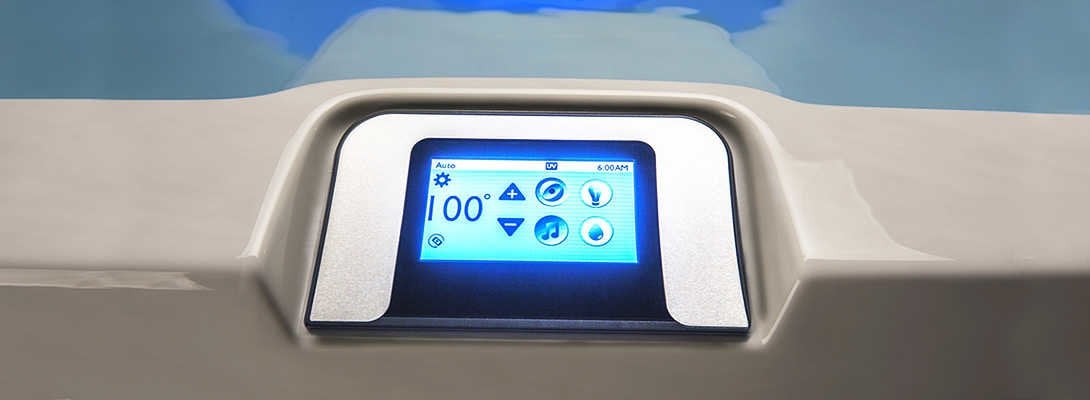
To keep your inflatable spa safe and efficient, set the heater between 98°F and 104°F. This 6-degree band is the sweet spot for most users, balancing comfort with the physical limits of your equipment. While 100°F to 102°F feels warm and relaxing for many, staying below the 104°F maximum is critical for preventing overheating in portable models.
Inflatable spas rely on thin walls and smaller heaters than permanent installations, making them more sensitive to extreme temperatures. Exceeding 104°F can strain the pump and increase energy costs significantly without adding comfort. Most manufacturers cap the maximum temperature at this level for safety reasons, so your control panel likely won't allow you to go higher.
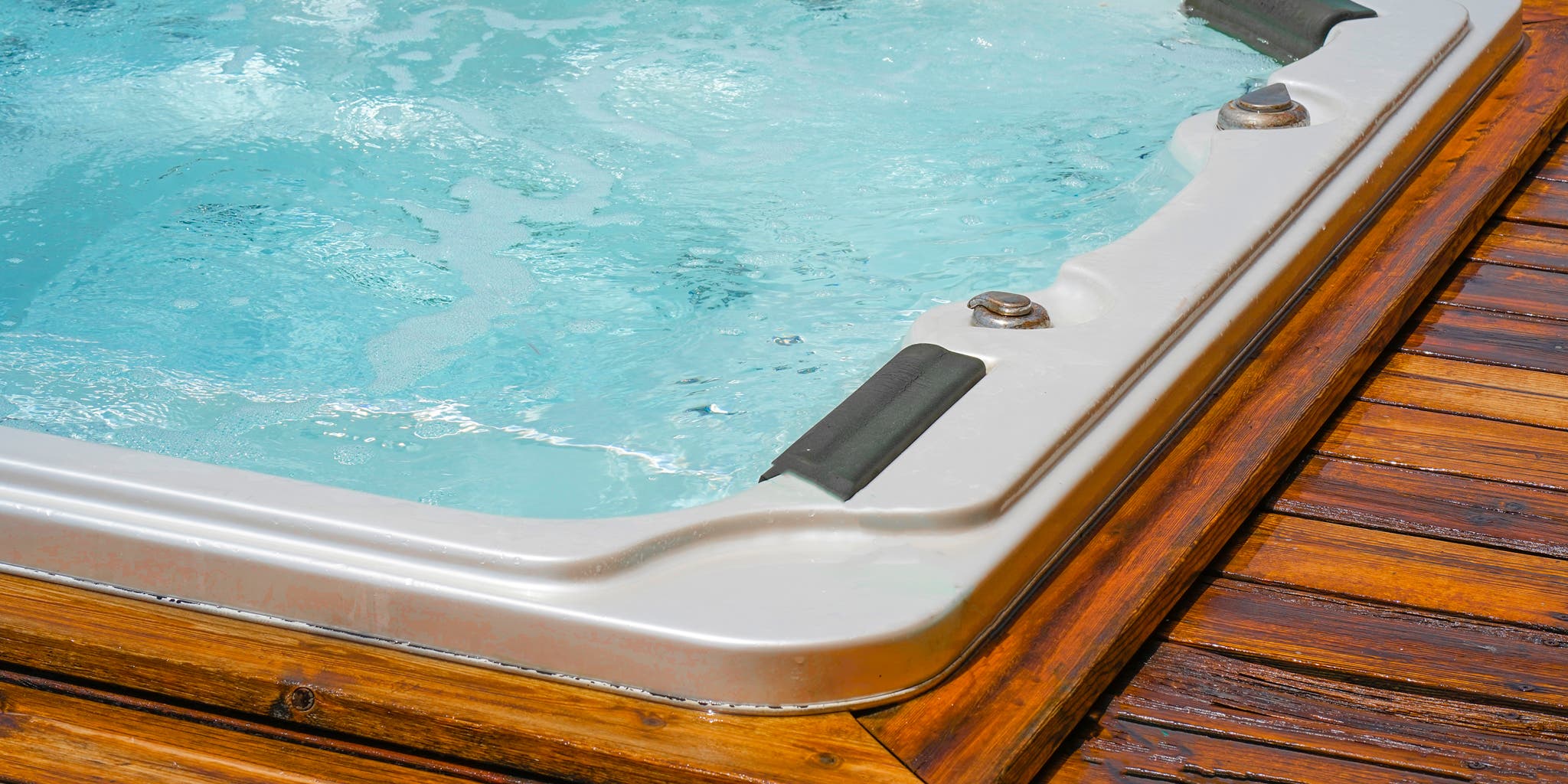
Adjusting the temperature in small increments helps you find your perfect soak without wasting energy. If you prefer a warmer dip, start at 102°F and let the heater bring it up gradually. This approach keeps the heater running efficiently and ensures the water stays within a safe range for your skin and circulation.
Adjust settings for summer heat
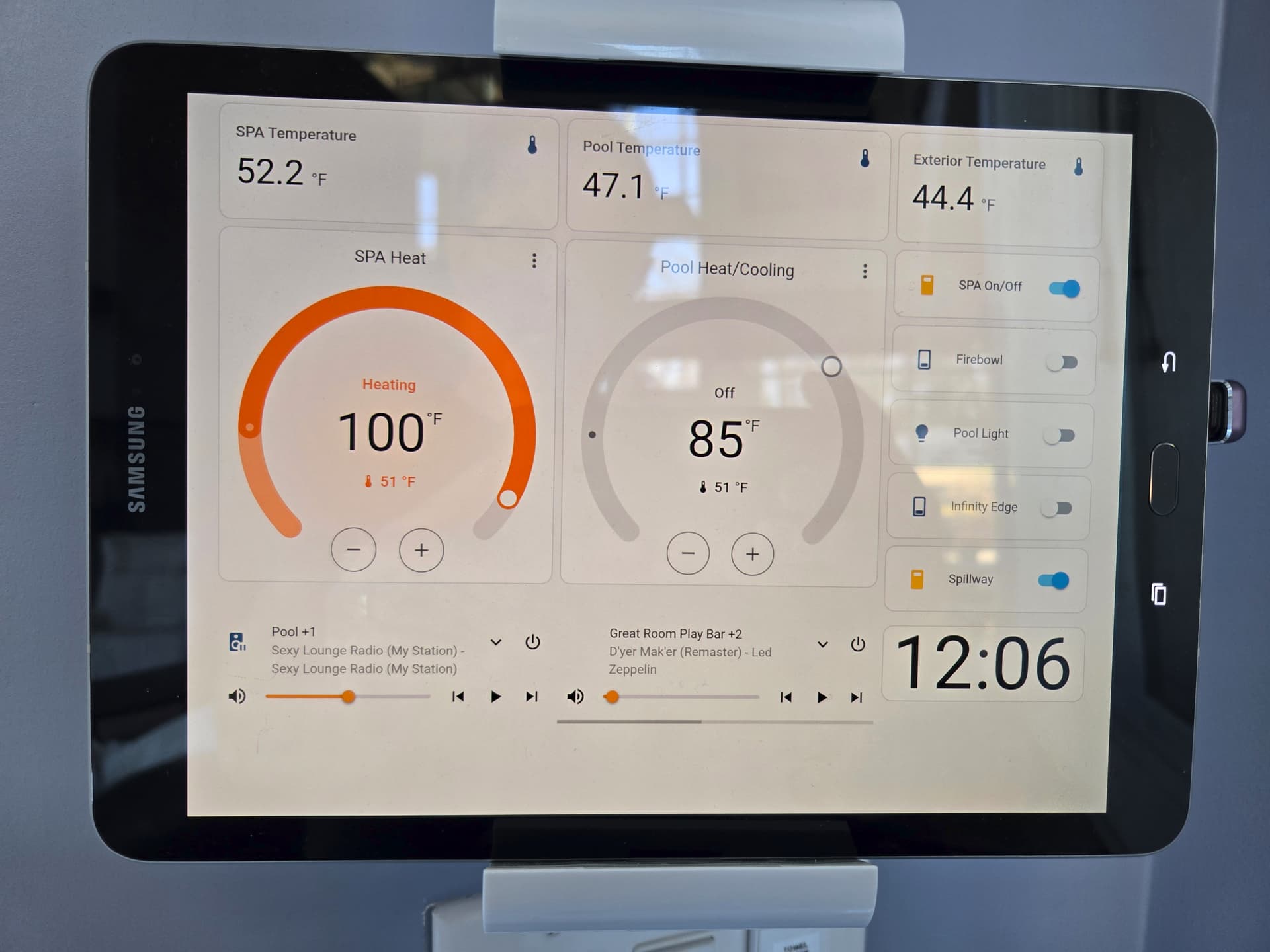
In the height of summer, your inflatable hot tub doesn’t need to be as hot as it is in winter. Lowering the thermostat to 85–95°F (29–35°C) prevents overheating and keeps the water comfortable without straining the unit. This range is warm enough for a relaxing soak but cool enough to maintain stability when ambient temperatures soar.
Many plug-and-play inflatable spas have a single pump that handles both circulation and heating. When the water is set too high, the heater works constantly to keep up, leaving little power for the jets. By lowering the target temperature, you allow the pump to run the jets and heater simultaneously without tripping safety cutoffs or wearing out the motor.
Access your spa’s control panel and reduce the set temperature to 85–95°F. This is the sweet spot for summer use; it feels warm against the skin but doesn’t require the heater to run constantly. If you prefer a warmer soak, 98°F is acceptable, but anything higher will likely cause the heater and jets to fight for power.
Direct sunlight acts like a greenhouse, raising the water temperature even when the heater is off. Position your inflatable spa under a pergola, umbrella, or trees. Shade can keep the water several degrees cooler than the air, reducing the load on your heater and saving energy.
If you need to use the jets, do so when the water is already at temperature or when the heater is off. Since many inflatable units cannot run jets and heat at the same time, using jets while the heater is active will stop the heating process entirely. Plan your jet time for before or after your soak.
While solar covers are often associated with retaining heat in winter, they also block UV rays that raise water temperature in summer. A reflective solar cover can help keep the water cooler during the day and prevent algae growth, which thrives in warm, stagnant water.
Insulate to stop heat loss
Inflatable spas lose heat rapidly because their thin PVC walls offer little resistance to the cold air outside. Without proper insulation, your heater works overtime to fight thermal transfer, driving up electricity costs and straining the pump. The goal is to create a thermal barrier that traps warmth inside the water and the air gap between the spa and the ground.
Install an insulating ground pad
Heat sinks into the ground faster than it escapes through the air. A standard foam mat is often too thin to stop this conductive loss. Use a dedicated inflatable spa insulator or a high-density interlocking foam tile system placed directly under the spa. This creates a buffer zone that keeps the bottom of the bladder from touching cold concrete or grass.
Look for insulators specifically rated for hot tubs. Standard yoga mats or thin camping pads will compress and fail within weeks. Interlocking foam tiles with a thickness of at least 1 inch provide the necessary R-value to block ground conduction. Ensure the material is closed-cell foam to prevent moisture absorption.
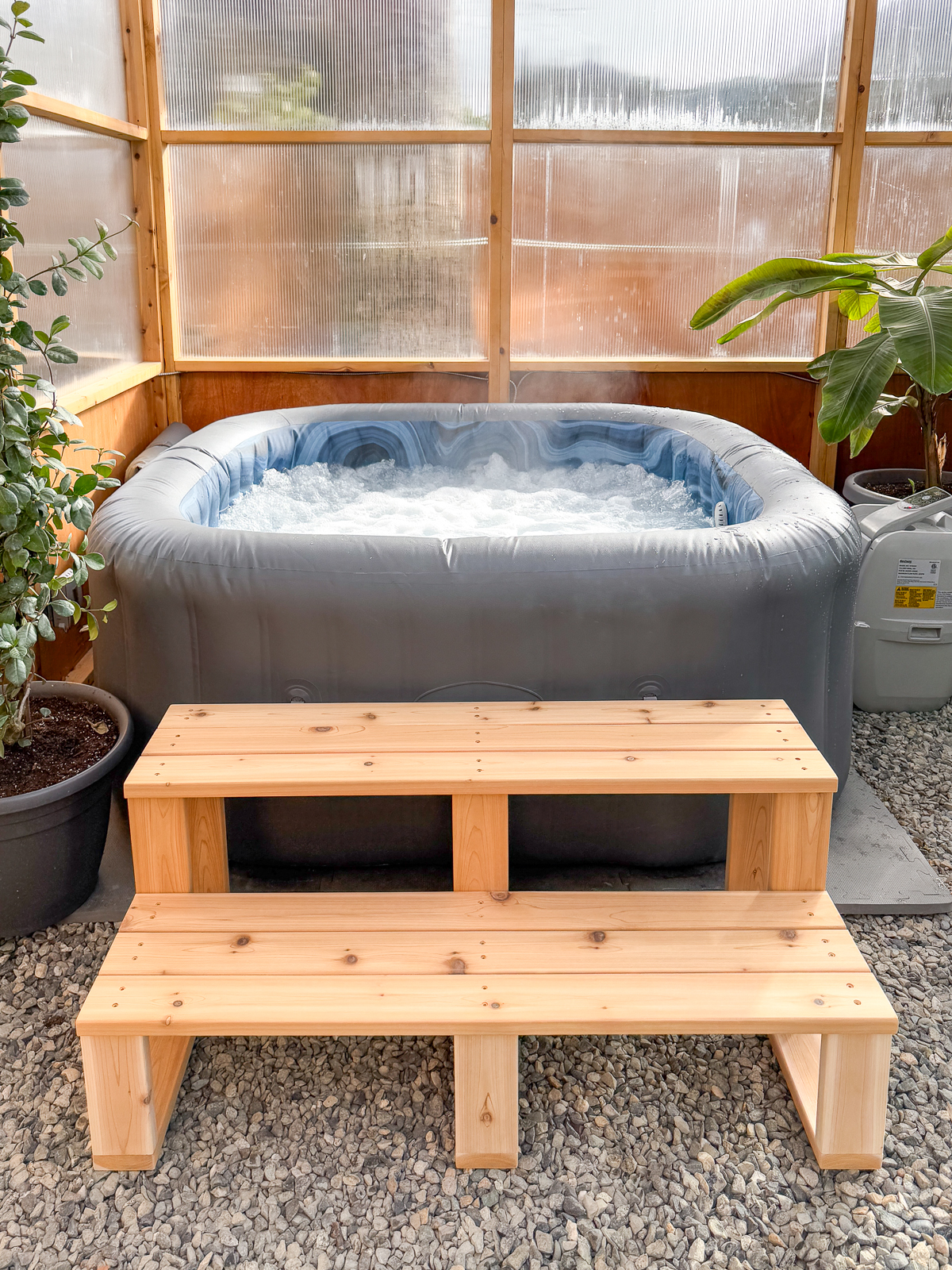
Clear the area of sharp stones, twigs, or debris that could puncture the spa floor or the insulator. If you are on grass, lay a temporary tarp first to create a flat, dry surface. Measure the footprint of your inflatable spa to ensure your insulating tiles cover the entire base with a slight overlap.
Place the insulator tiles directly on the prepared surface. If using interlocking tiles, lock them together securely to prevent shifting when the spa is filled. For rigid foam sheets, cut them to fit snugly around the spa’s perimeter. The insulator should be flat and stable before you inflate the spa walls over it.
The cover is your most critical tool for stopping evaporative heat loss, which accounts for the majority of energy waste. Use a high-quality, locked-edge thermal cover that fits tightly around the rim. Ensure the cover is clean and dry before placing it to maintain its reflective properties. A cover that sags or gaps allows warm, moist air to escape rapidly.
Many plug-and-play inflatable spas cannot run the heater and jets simultaneously due to electrical load limits. If your unit is struggling to reach temperature, turn off the jets temporarily. This allows the full wattage to go toward heating the water rather than agitating it. Once the target temperature is reached, you can resume normal jet usage for relaxation.
Add a secondary insulating layer
For extreme cold climates, consider adding a reflective bubble wrap layer between the spa wall and the cover. This simple addition can reduce heat loss by up to 50% in the air gap. Cut the bubble wrap to fit the interior dimensions of your spa, ensuring it does not interfere with the filtration system or jets. This DIY fix is inexpensive and highly effective for maintaining hot tub temperature in inflatable spas.
Balance chemicals for efficiency
Water chemistry isn't just about skin safety; it's the oil change for your inflatable spa's heater. When pH and alkalinity drift out of range, minerals in the water precipitate out and form scale on the heating element. This white, chalky buildup acts like an insulator, trapping heat inside the element rather than transferring it to the water. The result is a spa that struggles to reach temperature, runs the heater longer than necessary, and risks premature failure from overheating.
Think of the heating element like a car radiator. If you clog it with sludge, the engine overheats even if the coolant is fresh. Similarly, a scaled heating element can't shed its own heat efficiently. The thermostat senses the element is still hot (because it's insulated by scale) and cuts power, while the water remains cold. You end up with a spa that feels lukewarm despite the heater running at full capacity.
Weekly chemical check
-
Test pH levels (target 7.2–7.6)
-
Test total alkalinity (target 80–120 ppm)
-
Verify sanitizer levels (bromine or chlorine)
-
Inspect filter for debris before testing
How to fix scale buildup
If you suspect scale is affecting your heater's efficiency, start by testing your water chemistry. High pH is the primary culprit. If your pH is above 7.6, add a pH reducer (sodium bisulfate) carefully, following the manufacturer's dosage instructions. Retest after an hour to ensure the pH is dropping gradually, not crashing.
Once the pH is balanced, check total alkalinity. If it's too high, it will cause the pH to bounce back up quickly. Use an alkalinity reducer to bring it into the 80–120 ppm range. This creates a stable chemical environment where minerals stay dissolved in the water instead of coating your heater.
When to drain and clean
If scale is already visible on the heating element, no amount of chemical balancing will remove it. You'll need to drain the spa, unplug the heater unit (if accessible in your model), and gently scrub the element with a non-abrasive brush and a descaling solution. Never use steel wool or harsh abrasives, as these can damage the element's coating. After cleaning, refill with fresh water and balance the chemistry before heating again.
Regular maintenance prevents this issue entirely. Test your water twice a week during heavy use. Keep a log of your pH and alkalinity readings to spot trends before they become problems. A small adjustment now saves a major repair later.
Fix temperature fluctuations
Inflatable spas are lightweight, but their insulation and heating systems are sensitive to environmental stress. If your hot tub temperature keeps dropping or the digital display jumps erratically, the issue is usually mechanical rather than chemical. Focus on three areas: sensor accuracy, water flow, and physical heat loss.
Inflatable models often have lower water capacity than rigid spas. If the water level drops below the skimmer or intake valve, the pump pulls in air instead of water. This causes the heater to overheat and shut off prematurely, leading to rapid temperature loss. Ensure the water is filled to the recommended mark before every use.

A clogged filter restricts water flow to the heater. When flow is low, the internal safety sensor triggers a "flow error" or shuts down the heating element to prevent damage. Clean the filter with a garden hose monthly, or replace it if the fabric is torn or heavily saturated with oils. Clear flow ensures consistent heat distribution.
Erratic readings often stem from a loose or corroded temperature sensor. In inflatable spas, the control panel is external, connected by a thin wire. Check that the connector is tight and dry. If the display shows a sensor error code, the probe may need replacement. A faulty sensor tells the heater to stop working when the water is actually cold.
Inflatable walls are thin. If you feel cold air leaking into the spa or see condensation on the outside of the vinyl, your insulation is compromised. Use a high-quality thermal cover and consider adding an insulated base pad. Even a small draft can cause the heater to run constantly, struggling to maintain the set temperature.
Essential maintenance tools
Keeping your inflatable spa at the right temperature requires more than just a heater; it demands consistent monitoring. You need reliable tools to track water chemistry and heat retention so you can adjust before the temperature drifts too far. Without these basics, you might find yourself chasing a stable heat level all winter.
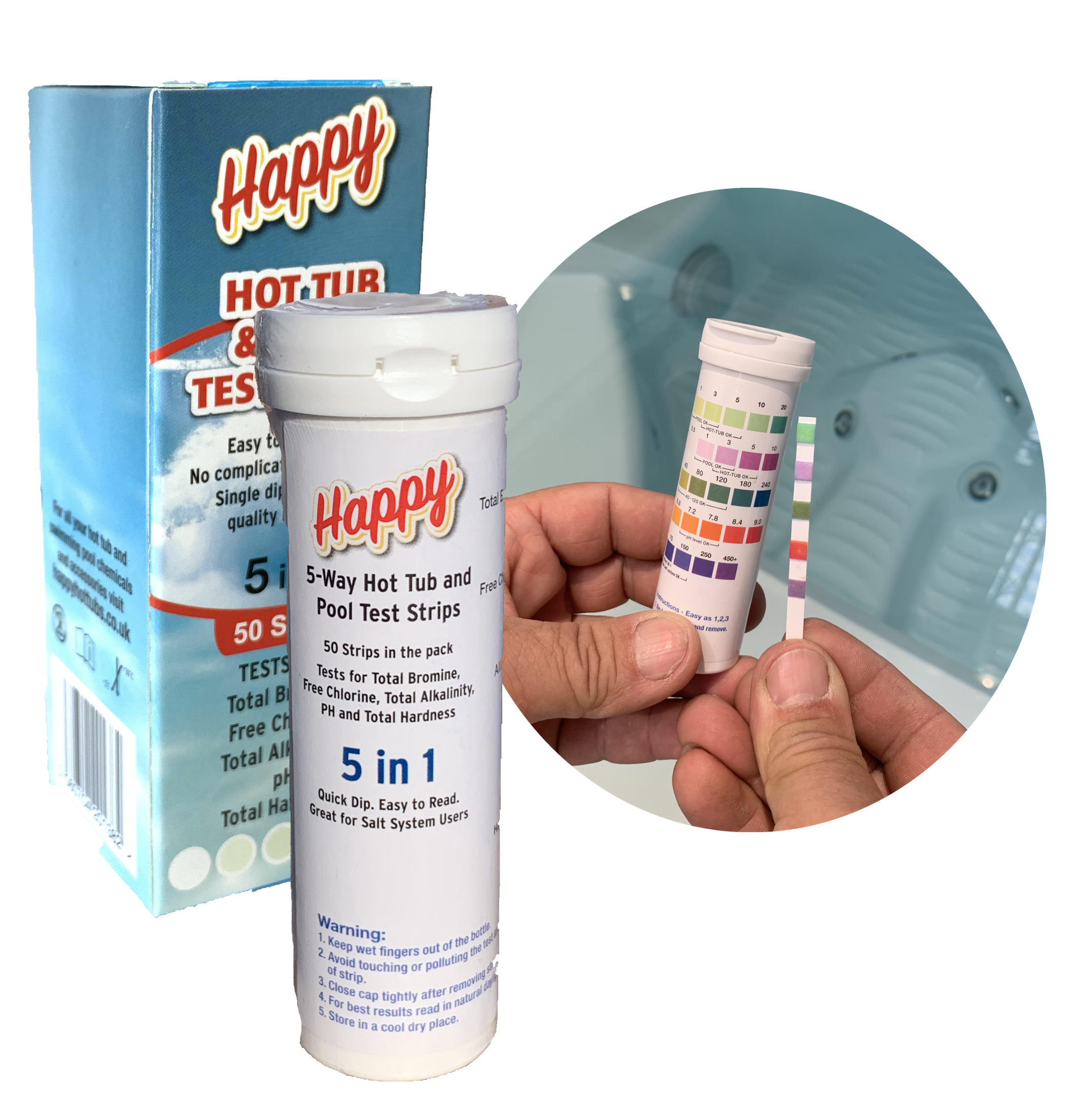
Start with a digital testing kit. Strips can be inaccurate, but a digital meter gives you precise readings for pH and sanitizer levels. Balanced chemistry prevents scale buildup on the heater element, which is a common reason for slow heating in inflatable models. Pair this with a high-quality insulated thermal cover. A standard vinyl cover often isn't enough to hold heat against cold winds; an insulated option acts like a blanket, significantly reducing energy loss.

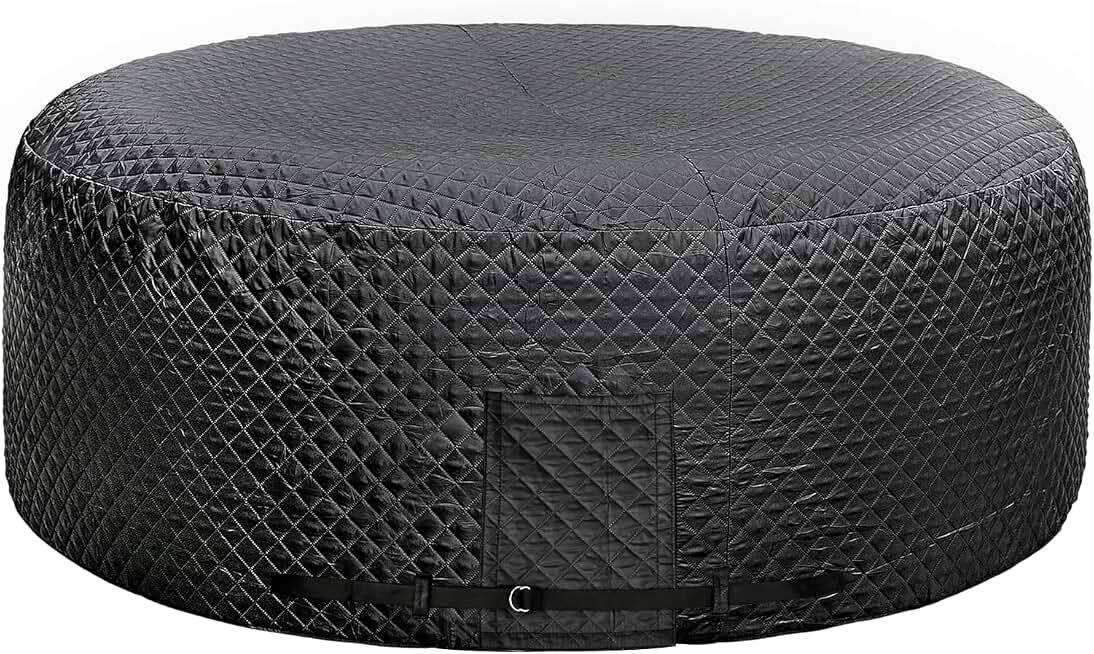

As an Amazon Associate, we may earn from qualifying purchases.
These tools form the foundation of temperature maintenance. By keeping the water chemically balanced and the heat locked inside, you ensure your inflatable spa stays ready for use without constant adjustments.
Common temperature: what to check next
Inflatable spas lose heat faster than hard-shell models, so managing temperature requires balancing comfort with energy efficiency. Understanding how weather, usage, and electrical limits affect your spa helps you maintain a consistent soak without excessive costs.
What is the best temperature for winter use?
In cold weather, aim for 98°F to 100°F. While some users crank the heat to 102°F or higher, this increases energy consumption and strain on the pump. Keeping the tub at 100°F provides a comfortable soak while minimizing the workload on your inflatable spa’s heater. If you live in an area with extreme cold, consider using a high-quality insulated cover to retain heat.
Why does my hot tub temperature fluctuate?
Inflatable spas often cannot run jets and the heater simultaneously due to limited electrical capacity. If you notice the temperature dropping while jets are active, pause the jets to allow the heater to catch up. For plug-and-play models, using jets sparingly or converting to 240V (if your electrical system supports it) can help maintain a steady temperature.
How can I reduce energy costs while heating my spa?
Lower the temperature to 98°F during the day and raise it only when you plan to use the spa. This "set and forget" approach reduces the frequency of heating cycles. Additionally, ensure your spa is placed in a sheltered area away from wind, which accelerates heat loss. Regularly checking the filter and water chemistry ensures the heater operates efficiently without unnecessary strain.
No comments yet. Be the first to share your thoughts!