

Hot Tub Heat Loss: The Core Problem
It’s a familiar feeling: you’ve finally settled into your new hot tub, enjoying a relaxing soak, and then the energy bill arrives. Suddenly, that blissful experience feels a lot more expensive. Hot tubs, unfortunately, are notorious for being energy hogs. They require a significant amount of power to heat and maintain water temperature, especially in colder climates.
The reason comes down to basic physics. Heat escapes in several ways: conduction through the shell and components, convection as air moves across the water surface, radiation from the warm water into the cooler environment, and – significantly – evaporation. Evaporation is a big one; water turning into vapor requires energy, and that energy is pulled from the water itself, cooling it down. All of these processes work together to steadily drain heat from your tub.
Recognizing this problem, the federal government has stepped in. New regulations, detailed on federalregister.gov, are pushing for greater energy efficiency in portable electric spas. These standards aim to reduce energy consumption without sacrificing performance. The regulations specifically address requirements for insulation, pump efficiency, and control systems. They're a sign that the industry is moving toward more responsible energy use.
Older hot tubs, built before these regulations, are particularly inefficient. They often lack the advanced insulation and pump technology found in newer models. Upgrading from an older tub isn’t just about comfort and features; it’s a significant step toward reducing your environmental impact and lowering your monthly bills. The difference in efficiency can be truly substantial.
2026 Efficiency Standards: What’s Changing?
The new federal standards, developed by the Department of Energy, are phased in over time, with stricter requirements coming into effect in 2026. Essentially, these standards set minimum levels of energy performance for portable electric spas. Manufacturers must now demonstrate that their products meet these criteria through testing and certification.
The requirements cover several key areas. Insulation is a major focus, with stricter R-values mandated for the shell and components. Pump efficiency is also a target, pushing manufacturers to adopt more efficient motor designs and control algorithms. Control systems must also be optimized to minimize energy waste during periods of inactivity. It’s a fairly comprehensive overhaul of how these spas are designed and built.
What does this mean for consumers? It means you’ll see newer hot tubs that use less energy to heat and maintain temperature. It also means that manufacturers are investing heavily in research and development to meet these standards. While the details can be complex, the core principle is simple: spas will be required to be more energy efficient.
Insulation Innovations: Beyond the Shell
For years, hot tub insulation was a pretty straightforward affair – foam sprayed into the shell. But the industry is moving beyond that. Full-foam insulation, where the entire cavity between the shell and the cabinet is filled with foam, remains a good option, offering excellent thermal performance. However, we’re now seeing more sophisticated multi-layer systems.
These multi-layer systems often combine different types of insulation materials – reflective barriers, foam boards, and even aerogel – to maximize heat retention. Sundance Spas, for instance, highlights the importance of complete insulation, explaining that even small gaps can significantly reduce efficiency. They emphasize the need for a fully insulated shell, including around the equipment compartment.
New materials are also emerging. Some manufacturers are experimenting with vacuum insulation panels, which offer exceptional thermal resistance in a thin profile. Others are using closed-cell foam with higher R-values. The goal is to minimize heat loss through conduction, convection, and radiation. Better insulation isn’t just about saving energy; it also contributes to quieter operation, as it dampens vibrations.
Smart Pumps & Variable Speed Tech
Traditional hot tub pumps run at a single speed, constantly circulating water even when it’s not needed. This is incredibly inefficient. Variable-speed pumps, on the other hand, can adjust their speed based on demand. They can run at low speeds for filtration and heating, and then ramp up to higher speeds when jets are activated.
The concept of "duty cycles" is key here. A smart pump can learn your usage patterns and optimize water circulation accordingly. For example, it might run at a low speed overnight for filtration, then increase speed during your evening soak. This reduces energy consumption and extends the life of the pump itself.
The energy savings from variable-speed pumps can be significant. Compared to single-speed pumps, they can reduce energy consumption by as much as 60-80%. While the initial cost of a variable-speed pump is higher, the long-term savings can easily offset that investment. It’s a smart upgrade for anyone looking to reduce their hot tub’s energy footprint.
Cover Up: The First Line of Defense
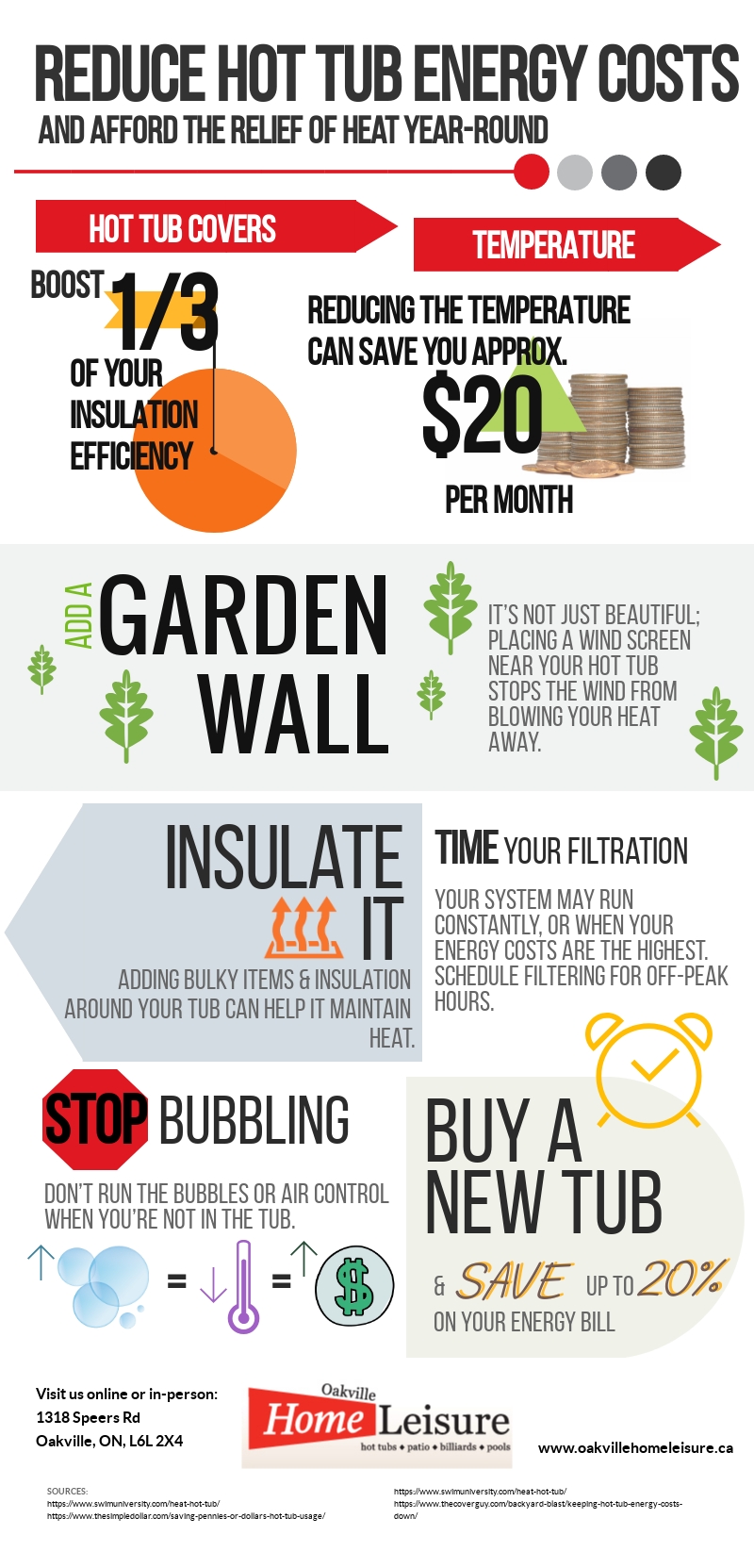
This might seem obvious, but it’s worth repeating: a good hot tub cover is the single most important factor in reducing heat loss. A cover acts as a barrier, preventing evaporation and minimizing heat transfer to the surrounding air. Without a properly fitted, well-insulated cover, you’re essentially letting heat escape into the atmosphere.
The insulating value of a cover is measured by its R-value. The higher the R-value, the better the insulation. Look for covers with an R-value of at least 10, and preferably higher. Cover materials also matter. Polyethylene foam is a common choice, but higher-density foams and reflective materials offer better performance. Hard covers generally provide better insulation and durability than soft covers.
Automatic covers offer the ultimate in convenience and energy savings. They can be opened and closed with the push of a button, ensuring that the hot tub is always covered when not in use. While they’re more expensive than manual covers, the long-term energy savings and added convenience can make them a worthwhile investment.
Accessory Roundup: Energy Savers for 2026
Now, let's get to the good stuff: accessories designed to cut your hot tub heating costs. The market is evolving rapidly, and 2026 will bring even more sophisticated options. Here are a few standouts to consider.
Thermal Blankets: These add an extra layer of insulation on top of your existing cover. Expect to pay around $50-$150 for a good quality thermal blanket. While they don't offer the same level of insulation as a high-end cover, they can provide a noticeable boost, especially in colder climates. Estimated savings: 5-10%.
Smart Thermostats: Products like the EcoSmart Spa Controller ($200-$300) allow you to remotely control your hot tub’s temperature and schedule heating cycles. This lets you preheat the tub only when needed, avoiding unnecessary energy consumption. Estimated savings: 10-15%.
Heat Exchangers: These devices use waste heat from other sources – like a home heating system – to preheat the hot tub water. A typical heat exchanger setup can cost $500-$1000 to install, but the long-term savings can be substantial. Estimated savings: 15-20%.
Solar-Powered Heaters: While not powerful enough to heat the entire tub on their own, solar heaters can significantly reduce your reliance on electric heating. A basic solar heater system can cost $300-$800, depending on size and complexity. Estimated savings: 5-15% (depending on sunlight availability).
Insulated Jet Covers: These small covers fit over the jets when not in use, preventing heat from escaping through the jet housings. They're a relatively inexpensive upgrade ($20-$50 per set) that can add up over time. Estimated savings: 2-5%.
Floating Insulated Discs: These discs float on the water surface, creating a barrier that reduces evaporation. They're a simple and affordable solution ($30-$60 per set) that can make a noticeable difference. Estimated savings: 3-7%.
Featured Products

Full coverage with zipper door for easy access · Inflatable design for enhanced insulation · Dustproof and designed for keeping warm
This inflatable cover provides an extra layer of insulation and full coverage to minimize heat loss and keep your hot tub warm.

Custom-made replacement spa cover · Built for all climates · Available in 6, 5, or 4-inch taper for optimal fit
A premium, custom-fit cover designed for energy savings in any climate, ensuring your hot tub retains heat effectively.

WiFi connectivity for remote monitoring via app · IPX7 waterproof rating · Notification alerts for temperature changes
This smart thermometer allows you to easily monitor your hot tub's temperature remotely and receive alerts, ensuring optimal settings and preventing energy waste.

Heavy-duty bubble solar blanket design · Reduces water evaporation · Easy to cut and clean for custom fit
This solar blanket acts as a barrier to prevent heat and water loss, significantly reducing the energy needed to maintain your hot tub's temperature.
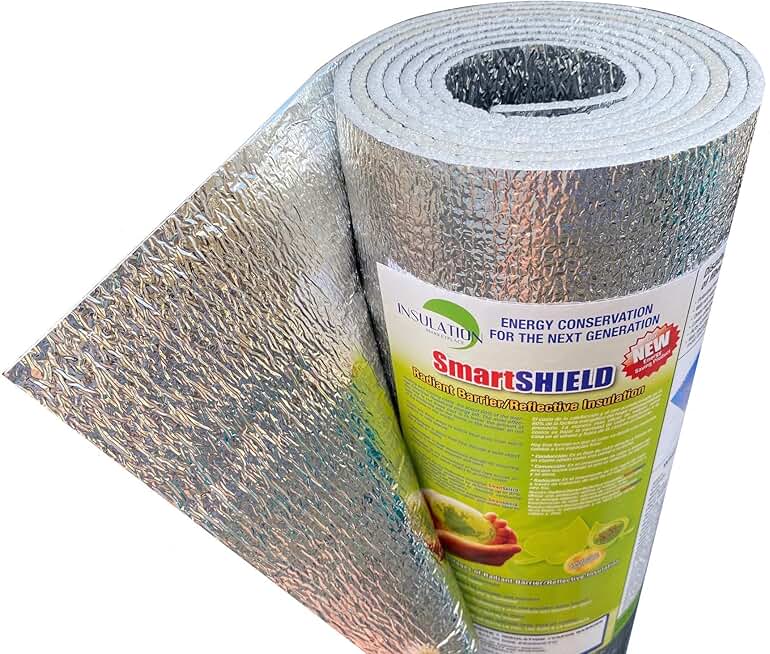
3mm thick reflective insulation roll · Foam core radiant barrier · Engineered foil for thermal shielding
This versatile insulation roll can be adapted to enhance the thermal barrier of your hot tub setup, reflecting heat back into the water and reducing energy consumption.
As an Amazon Associate I earn from qualifying purchases. Prices may vary.
DIY Temperature Optimization: Simple Tweaks
You don’t always need to spend money to improve energy efficiency. There are several simple tweaks you can make to your hot tub routine that will have a positive impact on your energy bill.
Here's a checklist to get you started:
Lower the temperature: Even a few degrees can make a difference. Consider lowering the temperature to 100°F (38°C) or even lower, especially when you’re not using the tub. Use the tub less frequently: Reducing your soak time or limiting your usage to a few times a week will naturally reduce energy consumption. Properly maintain water chemistry: Balanced water chemistry prevents scale buildup, which can reduce the efficiency of the heating system. Regularly clean the filters: Dirty filters restrict water flow, forcing the pump to work harder and consume more energy.
- Lower the temperature
- Use the tub less frequently
- Properly maintain water chemistry
- Regularly clean the filters
Future Tech: What’s on the Horizon?
The pursuit of energy efficiency in hot tubs is an ongoing process. We can expect to see continued advancements in insulation materials, with aerogel and vacuum insulation panels becoming more commonplace. Pump technology will likely continue to evolve, with even more efficient motors and control algorithms.
One particularly promising area is the development of heat pumps specifically designed for hot tubs. These systems can extract heat from the surrounding air and use it to heat the water, offering significantly higher efficiency than traditional electric heaters. While still relatively expensive, heat pumps are becoming increasingly affordable. We'll also likely see more integration with smart home systems, allowing for even more precise temperature control and energy management.
Ultimately, the future of hot tub energy efficiency is about smarter design, innovative materials, and a commitment to sustainability. While the 40% savings target is ambitious, it’s certainly achievable with the technologies currently under development.

No comments yet. Be the first to share your thoughts!