

Hot Tub Heat Loss: The 2026 Reality
Imagine getting your first hot tub bill and being genuinely shocked. It’s a common experience, and one that’s becoming more frequent for hot tub owners in 2026. Electricity prices are consistently rising, and there's a growing awareness of our energy footprint. What was once a manageable expense is now a significant concern for many.
This isn’t a new issue – hot tubs have always used energy – but the economic and environmental pressures are far greater now. Older hot tubs, designed before energy efficiency was a major priority, are especially problematic. They often lack the insulation and smart controls needed to minimize heat loss, leading to unnecessarily high operating costs.
Many people assume a hot tub is a splurge, and high energy bills only reinforce that perception. We’re seeing a shift, though, with manufacturers responding to consumer demand for more efficient models. The good news is that significant savings are possible, even with an existing hot tub, through smart control systems and mindful usage.
The goal isn’t to discourage hot tub ownership—far from it! It’s about being informed and proactive, understanding how your hot tub loses heat, and taking steps to reduce its energy consumption. It's about enjoying the benefits of hydrotherapy without breaking the bank or contributing unnecessarily to environmental impact.
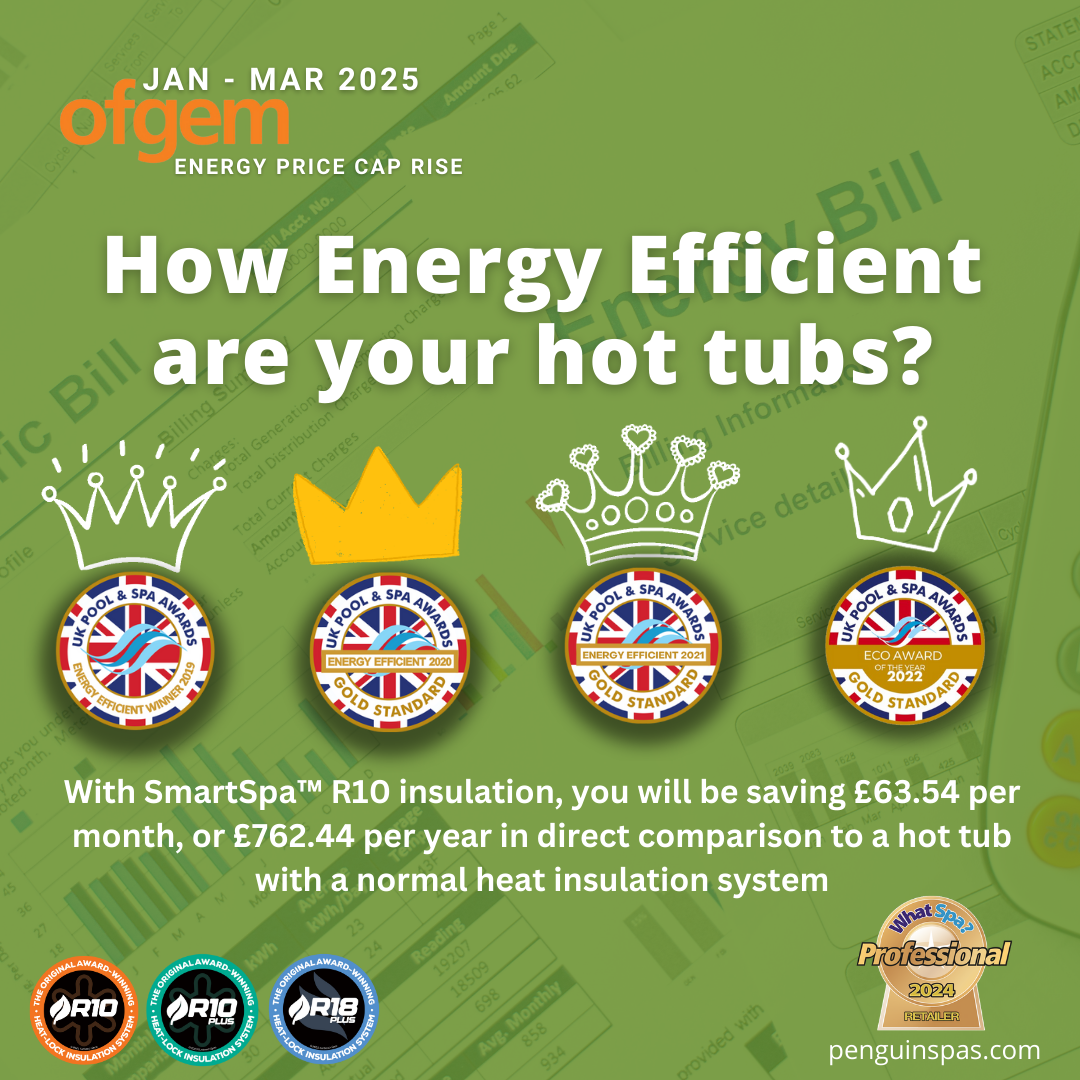
Understanding Heat Loss Mechanisms
Hot tubs lose heat in several ways, and understanding these mechanisms is the first step towards improving efficiency. Conduction is the transfer of heat through direct contact. This happens through the hot tub shell, plumbing, and any components exposed to the outside air.
Convection involves heat transfer through the movement of fluids – in this case, air. Wind significantly increases convective heat loss by carrying heat away from the hot tub’s surface. The faster the air moves, the more heat is lost. Even without wind, natural convection occurs as warmer air rises and cooler air descends.
Radiation is the emission of heat as electromagnetic waves. All objects radiate heat, and the amount of radiation depends on their temperature and surface properties. A hot tub radiates heat into the surrounding environment, especially on clear nights.
However, the biggest culprit is evaporation. As warm water molecules escape into the air, they carry away a substantial amount of heat. This is why you feel cooler when you step out of a hot tub – the evaporation of water from your skin is cooling you down. The larger the water surface area exposed to the air, the greater the evaporative heat loss.
Factors like ambient temperature and humidity play a role too. A hot tub in a cold, dry climate will lose heat much faster than one in a warm, humid environment. Even the positioning of the hot tub—exposure to direct sunlight or shade—can affect heat loss.
Smart Controls: The Core of Efficiency
Traditional hot tub controls are often limited to simple on/off switches and basic temperature settings. They lack the intelligence to optimize energy usage based on your habits or external conditions. Smart hot tub controls represent a significant leap forward, offering a range of features designed to reduce energy consumption.
The core difference is programmability. Instead of maintaining a constant temperature 24/7, smart controls allow you to create schedules that adjust the temperature based on when you actually use the hot tub. For example, you can lower the temperature overnight or while you're away at work.
Remote access via a smartphone app is another key benefit. You can adjust the temperature, activate jets, or even turn the hot tub on or off from anywhere with an internet connection. This is incredibly convenient and prevents wasted energy if you forget to turn the hot tub off before leaving.
But the real power of smart controls lies in their ability to learn. Many systems can track your usage patterns and automatically adjust the heating schedule to match your needs. Some even integrate with weather forecasts to proactively adjust the temperature, anticipating heat loss on colder days. This predictive heating is a game-changer.
Beyond scheduling and remote access, some systems offer features like zone heating—heating only the area where you’re sitting—and energy usage monitoring, providing insights into your hot tub’s energy consumption.
2026 Control System Standouts
The market for smart hot tub controls is evolving rapidly. Several systems stand out in 2026, each with its own strengths and weaknesses. MasterSpas, for example, includes smart control options in their newer models, allowing for remote monitoring and adjustments through a dedicated app.
The Balboa Instruments BP601 control system is one of the most widely adopted, and it’s known for its reliability and ease of use. It offers basic scheduling and remote access, but its predictive heating capabilities are limited. It's a solid choice for those who want a simple, effective solution.
SaluSpa’s SmartHub is a more comprehensive system that integrates with Amazon Alexa and Google Home, allowing voice control. It also boasts advanced scheduling features and energy usage tracking. However, it's only compatible with SaluSpa hot tubs.
For those looking for a truly premium experience, the Jacuzzi J-Link system offers the most advanced features, including predictive heating based on local weather data and customizable heating profiles. It’s also compatible with a wider range of smart home ecosystems. The downside? It’s considerably more expensive than other options.
The Atlanta Hot Tub Center’s YouTube video from January 2026 emphasizes that even with a smart control, temperature fluctuations can occur. They highlight the importance of understanding why the temperature isn't holding steady, which often points to underlying issues with the heater or insulation, not just the control system itself.
Ultimately, the best control system for you will depend on your budget, your hot tub model, and your desired level of control and automation.
Insulation & Shell Design: Beyond the Controls
While smart controls are essential, they’re not the whole story. Insulation and shell design play a crucial role in minimizing heat loss. Hot tubs with full-foam insulation—where the entire cavity between the shell and the cabinet is filled with expanding foam—generally retain heat much better than those with partial-foam insulation.
Full-foam insulation eliminates air gaps and provides a consistent thermal barrier. Partial-foam insulation, while less expensive, leaves areas where heat can escape. The quality of the foam itself also matters – higher density foam provides better insulation.
The shell material also affects heat retention. Acrylic shells are known for their durability and ability to hold heat. Rotomolded polyethylene shells are less expensive but don’t insulate as well. The thickness of the shell is also a factor – thicker shells generally retain heat better.
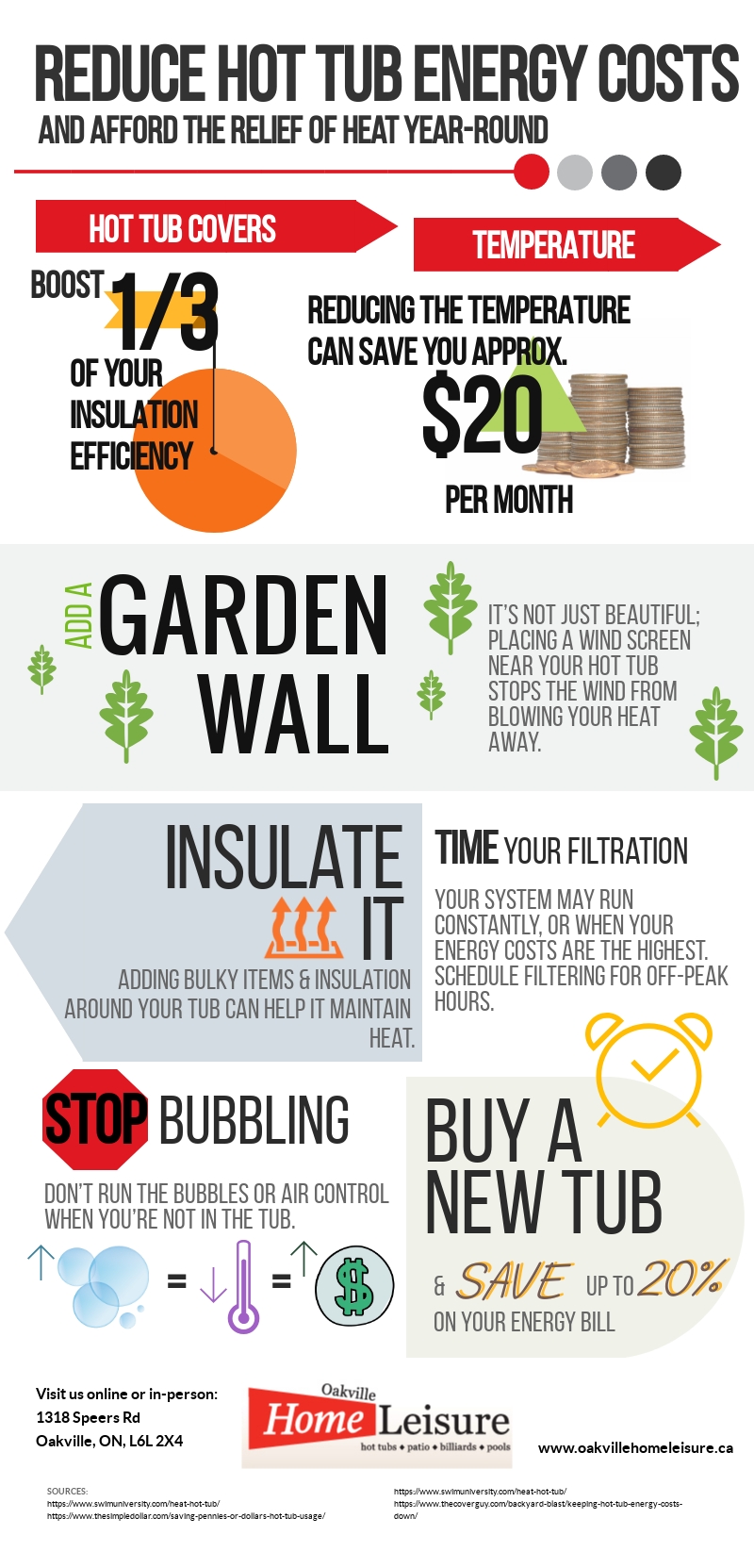
Don’t overlook the importance of a well-designed cover. A properly fitted, insulated cover can reduce heat loss by up to 70%. Consider upgrading your cover if it’s old, damaged, or doesn’t fit snugly. It's one of the most cost-effective ways to improve your hot tub’s energy efficiency.
A good cover should be made of a dense, waterproof material and have a vapor barrier to prevent moisture buildup. Locking straps help secure the cover and prevent heat from escaping.
Hot Tub Insulation Comparison
| Insulation Type | Cost | Heat Retention | Durability | Environmental Impact |
|---|---|---|---|---|
| Full-Foam | High | High | High | Medium |
| Partial-Foam | Medium | Medium | Medium | Medium |
| No Foam | Low | Low | Low | High |
| Reflective Film (often used with partial foam) | Low | Medium | Medium | High |
| Spray Foam (alternative to full foam) | High | High | High | Medium |
| Fiberglass | Medium | Medium | High | Medium |
Illustrative comparison based on the article research brief. Verify current pricing, limits, and product details in the official docs before relying on it.
Optimizing Temperature & Usage Habits
Beyond investing in smart controls and good insulation, simple changes to your temperature and usage habits can significantly reduce energy consumption. The most obvious step is to lower the temperature when the hot tub isn’t in use. You don’t need to keep it at 104°F 24/7.
Reducing the temperature by just a few degrees can save a substantial amount of energy. Consider lowering it to 98°F or even 95°F when you’re not planning to use the hot tub. You can always raise it quickly when you're ready for a soak.
If your electricity rates vary depending on the time of day, use the hot tub during off-peak hours. This can save you money, especially if you have a time-of-use billing plan. Check with your electricity provider to find out when off-peak hours are.
Minimize water evaporation by keeping the cover on whenever the hot tub isn’t in use. Also, reduce jet usage, as jets agitate the water and increase evaporation. Consider using the jets for shorter periods or at lower speeds.
Many people believe a hot tub must be kept at a scorching 104°F. That's simply not true. Hot Spring Spas notes that the ideal temperature is subjective, and many people find 100-102°F perfectly comfortable.
Troubleshooting Temperature Fluctuations
Even with a smart control system, you might experience occasional temperature fluctuations. These can be caused by a variety of factors, ranging from simple to complex. A faulty heater is a common culprit. If the heater isn’t working properly, it won’t be able to maintain the desired temperature.
A malfunctioning thermostat can also cause problems. If the thermostat isn’t accurately sensing the water temperature, it won’t be able to regulate the heater correctly. As highlighted by the Atlanta Hot Tub Center in their January 2026 video, diagnosing the cause of temperature fluctuations is key.
A leaking pump can reduce water circulation, leading to uneven heating and temperature fluctuations. Check for leaks around the pump and plumbing connections. Also, ensure the pump is running smoothly and efficiently.
Regular maintenance is crucial for maintaining efficiency. Clean the filter regularly to ensure proper water circulation. Maintain proper water chemistry to prevent scaling and corrosion, which can reduce the heater’s efficiency. A dirty filter forces the pump to work harder, wasting energy.
If you suspect a more serious problem, it’s best to consult with a qualified hot tub technician. Don’t attempt to repair complex components yourself unless you have the necessary skills and experience.
Calculating Your Potential Savings
Estimating your potential energy savings requires a bit of math, but it’s worth the effort. Start by calculating your current energy consumption. Check your electricity bill to find out how much energy your hot tub is using each month.
Next, estimate the cost of running the hot tub at different temperatures. Use an online energy calculator or consult with your electricity provider to determine the cost per kilowatt-hour (kWh). Then, calculate the energy consumption for different temperature settings.
Finally, use a smart control system to optimize your usage. By scheduling the temperature and taking advantage of off-peak hours, you can significantly reduce your energy consumption and lower your bills. The savings will vary depending on your climate, your usage patterns, and the efficiency of your hot tub.
For example, reducing the temperature by 5°F and using a smart control system to schedule the temperature could potentially save you 20-40% on your hot tub’s energy costs, aligning with the potential savings mentioned earlier. It’s a worthwhile investment that pays for itself over time.

No comments yet. Be the first to share your thoughts!