

The shift toward private soaking
Suburban lots are getting smaller, and neighbors are getting closer. If you want to actually relax in a hot tub without feeling like you're on display, privacy has to be the first thing you plan, not an afterthought. It's the difference between a quick soak and a space where you can actually disconnect.
We’re seeing a real shift in people’s expectations. What was once acceptable – a bit of visibility to the street, a casual view from a neighboring yard – is now often considered intrusive. It’s not necessarily about having something to hide, but about having a dedicated space to truly unwind without feeling exposed. People want to fully immerse themselves in the experience and disconnect from the outside world.
The demand for hot tub privacy is also increasing because hot tubs are now seen as extensions of our homes—outdoor living rooms, if you will. This means we apply the same privacy standards to our hot tub areas as we do to other personal spaces within our homes. This is going to be a major focus for homeowners in 2026 and beyond.
Fencing that actually blocks a view
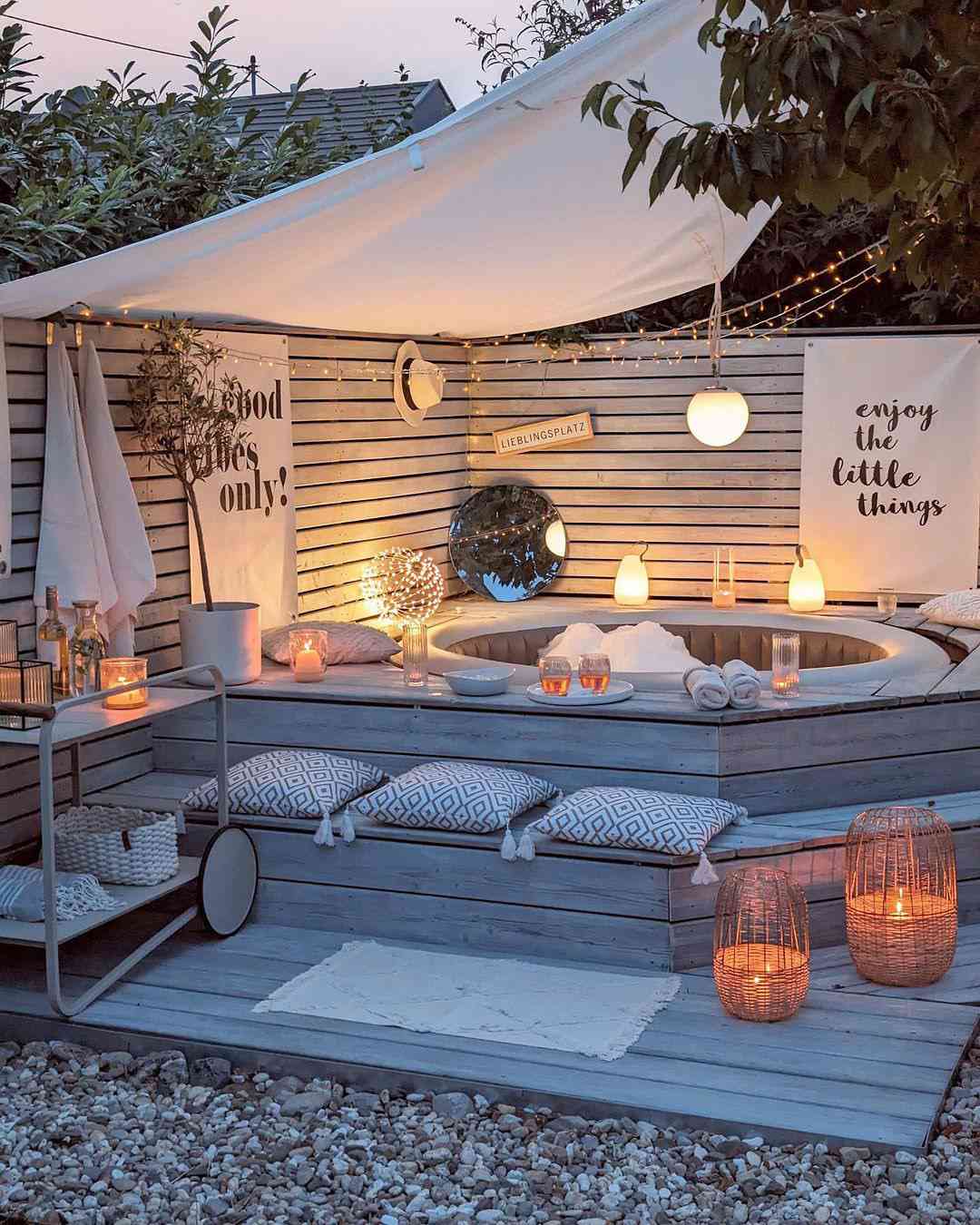
A standard picket fence won't help when the neighbor is looking down from a second-story window. Composite boards are my preference here because they don't warp or require staining every two years. Cedar is the classic alternative—it smells better and looks more natural, but you'll be out there with a power washer and sealer eventually.
Beyond materials, consider the style. Horizontal slat fences are incredibly popular right now for their contemporary look and excellent privacy. Board-on-board fencing – where boards overlap – offers complete visual blockage. Don’t forget to check local regulations regarding fence height and placement before you begin construction. Many municipalities have specific rules you’ll need to follow.
Integrating lighting into your fence is a clever way to enhance both ambiance and security. Solar-powered LED strip lights can be easily installed and provide a soft glow, while motion-sensor lights offer added peace of mind. I've seen some really innovative designs incorporating built-in planters into fences, effectively creating a living privacy wall.
- Check your local height limits before buying materials; most towns cap residential fences at six feet.
- Consider composite or cedar materials for durability.
- Incorporate lighting for ambiance and security.
Using plants as living screens
For a softer, more natural approach to privacy, look to greenery. Fast-growing trees and shrubs can create a beautiful and effective screen. Arborvitae are a classic choice, providing dense foliage and relatively quick growth. Leyland cypress are another option, but be mindful of their mature size – they can get quite large. Bamboo is popular, but it's crucial to choose a clumping variety to prevent it from becoming invasive.
Living walls – vertical gardens – are an increasingly popular way to create a lush, private barrier. These can be constructed using modular systems or custom-built frames. They require a bit more maintenance than traditional plantings, but the visual impact is stunning. Beyond privacy, greenery offers the added benefits of noise reduction and improved air quality.
The aesthetic appeal of a natural screen is undeniable. Carefully selected plants can complement your hot tub’s surroundings and create a truly relaxing atmosphere. Remember to consider the mature size of plants and ensure they won’t interfere with power lines or other utilities. A well-planned planting scheme can transform your backyard into a private oasis.
Pergolas & Structures: Defining the Space
Pergolas, gazebos, and other structures can be incredibly effective in creating a sense of enclosure and privacy around your hot tub. These structures define the space and provide a focal point for your outdoor relaxation area. Materials range from classic wood to low-maintenance metal and vinyl. Design options are virtually limitless, from open-air structures to partially enclosed or fully covered designs.
Adding curtains or screens to a pergola or gazebo is a simple way to increase privacy. Outdoor curtains can be made from weather-resistant fabrics and easily drawn closed when desired. Bamboo screens or lattice panels are another option, providing a more permanent privacy solution. These structures also offer valuable shade and protection from the elements.
Don't think of pergolas and structures as standalone solutions. They work beautifully in combination with other privacy ideas, like fences or green screens. A pergola can provide overhead privacy while a fence or hedge offers side-to-side screening. This layered approach creates a truly secluded and relaxing environment.
Inflatable Hot Tub Privacy: Unique Challenges
Creating privacy around an inflatable hot tub (like those from Intex, Coleman, or SaluSpa) presents unique challenges. These tubs are often placed in more exposed areas, such as patios or lawns, and are inherently less visually substantial than permanent installations. Portable screens are a good starting point – freestanding panels or room dividers can be positioned to block views.
Pop-up canopies offer a quick and easy privacy solution, but they need to be securely anchored to withstand wind. Temporary fencing is another option, but it can be less aesthetically pleasing. When choosing any structure, prioritize stability and wind resistance. These inflatable tubs are lightweight, and any surrounding structures need to be able to withstand gusts.
Remember to consider the ease of setup and takedown when choosing a privacy solution for an inflatable hot tub. You want something that's convenient to use and doesn’t require extensive assembly. It’s also a good idea to check with your homeowner’s association or local ordinances to ensure your chosen solution is permitted.
Urban Privacy: Balcony & Small Space Solutions
Hot tubs on balconies, patios, or in small urban backyards require a more nuanced approach to privacy. Space is limited, so you need to be strategic in your choices. Retractable screens are an excellent option – they can be extended when privacy is needed and retracted when it's not. Privacy planters, filled with tall, narrow plants, can also create a discreet barrier.
It's essential to be considerate of your neighbors when creating privacy in an urban setting. Avoid anything that could be considered intrusive or obstruct their views. Focus on creating a sense of enclosure around your hot tub without blocking light or airflow. Tall, slender plants like Italian cypress are good choices for tight spaces.
I’m seeing a growing interest in specifically designed balcony hot tub enclosures. These are typically custom-built structures that provide full privacy and protection from the elements. While they can be expensive, they offer a complete solution for urban hot tub owners. There’s definitely a market for more affordable, modular options in this space.
Hot Tub Enclosures: Full Immersion
For the ultimate in privacy and year-round usability, consider a full or partial hot tub enclosure. These structures can range from simple covers to elaborate custom-built designs. Materials commonly used include glass, acrylic, wood, and vinyl. Costs vary significantly depending on the size, materials, and complexity of the enclosure.
Permitting requirements for hot tub enclosures can be complex, so it’s essential to check with your local building department before starting construction. Enclosures offer several benefits, including protection from the elements, reduced maintenance, and increased privacy. They also allow you to use your hot tub comfortably even in cold weather.
I've seen some incredible high-end custom enclosures that seamlessly integrate with the surrounding landscape. These often feature automated doors, integrated lighting, and sound systems. While these are expensive, they create a truly luxurious and private hot tub experience. Even a simpler, partially enclosed structure can make a significant difference in your enjoyment.

No comments yet. Be the first to share your thoughts!