

The Rise of the Connected Soak: Smart Hot Tubs in 2026
The hot tub experience is evolving, and quickly. What was once a simple pleasure – warm water and jets – is becoming increasingly integrated with technology. By 2026, we’re seeing WiFi-enabled features move from a luxury add-on to a standard expectation, especially in models from Coleman and Intex. WiFi features extend the relaxation experience beyond the tub itself.
For years, hot tub control was limited to the physical panel on the side. Adjusting the temperature meant getting out of the water, and scheduling maintenance was a manual process. Now, the ability to manage your hot tub from your smartphone, or even with voice commands, is becoming commonplace. This shift is driven by consumer demand for seamless integration with the broader smart home ecosystem.
People are looking for ways to simplify their lives and maximize their leisure time. A smart hot tub fits that bill perfectly. Imagine pre-heating the water on your way home from work, or receiving an alert if the water chemistry is off balance. It’s about proactive control and minimizing the effort required to maintain a perfect soak. I think the desire for that control is a major driver.
Coleman and Intex have been at the forefront of this trend, offering increasingly sophisticated smart features in their inflatable and hard-sided models. They're responding to a growing market of tech-savvy consumers who expect the same level of connectivity in their backyard oasis as they have in the rest of their homes. Competition is fierce, and innovation is fast.
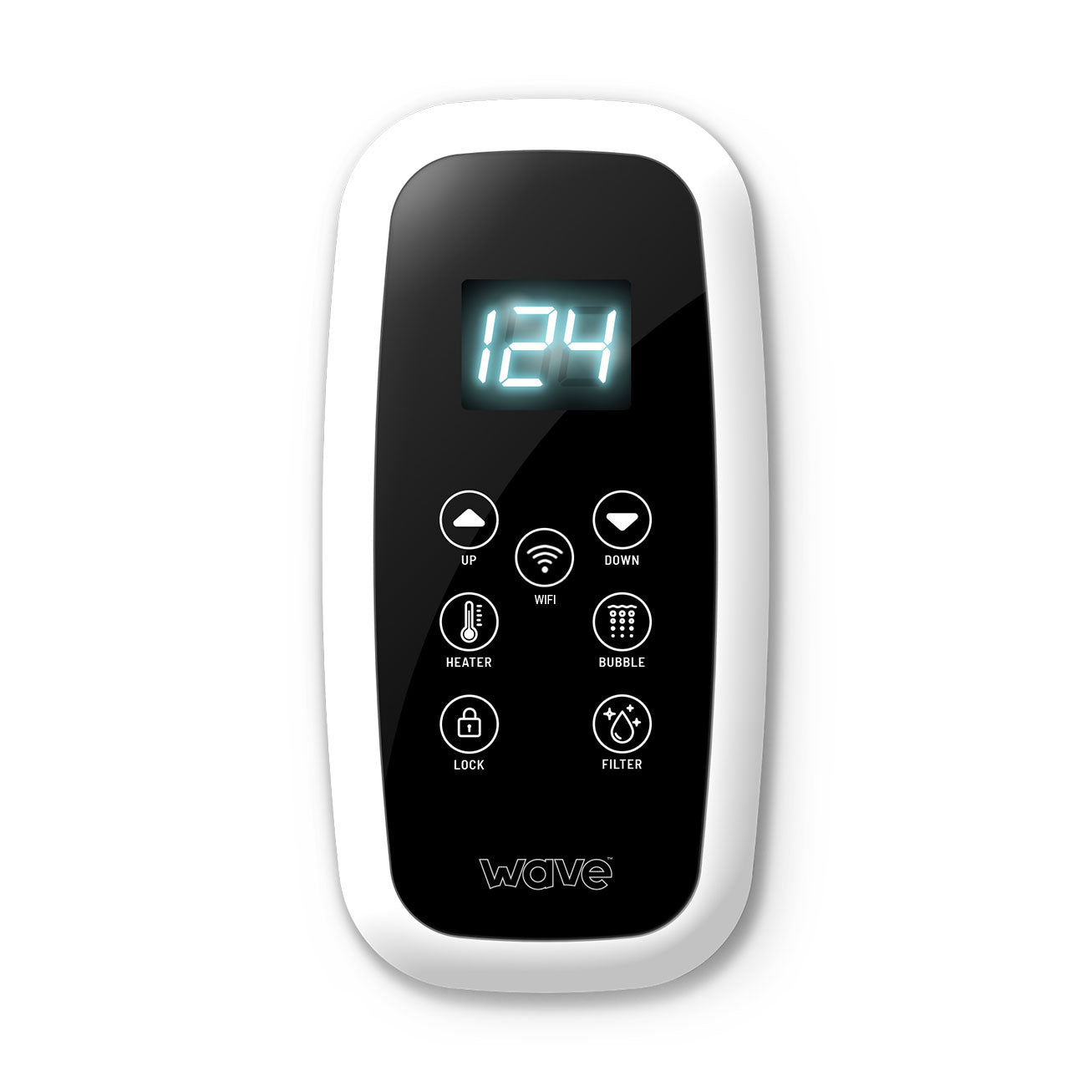
WiFi Connectivity: The Core of the Smart Experience
WiFi connectivity is the foundation of these systems. But what does it actually mean for a hot tub to be WiFi-enabled? Essentially, it allows the hot tub’s control system to communicate with your home network and, ultimately, with your smartphone or other devices. Most models currently utilize the 2.4GHz WiFi band, as it offers better range and penetration through walls compared to 5GHz.
The connection process typically involves connecting the hot tub’s WiFi module to your home network using a smartphone app. This usually involves entering your WiFi password and selecting the appropriate network. Coleman and Intex are working to streamline this process, but it can still be a bit finicky for some users, particularly those less familiar with networking. I’ve seen reports of issues with older routers and compatibility.
Security is a major concern with any connected device. Hot tub manufacturers are implementing various security measures to protect against unauthorized access, including encryption and secure authentication protocols. I recommend securing your home network with a strong password and up-to-date security settings. The consequences of a compromised hot tub could range from someone altering the temperature to more serious security breaches.
The user experience varies slightly between brands. Coleman tends to focus on simplicity, while Intex offers more advanced customization options. Both companies provide detailed instructions and troubleshooting guides, but WiFi performance depends on by factors like router placement, interference from other devices, and the strength of your internet connection. A stable connection is essential for reliable smart features.
- Check your router: Ensure it supports the 2.4GHz band.
- Strong signal: Place the hot tub within range of your WiFi signal.
- Secure password: Use a strong, unique password for your WiFi network.
- Update firmware: Keep your router and hot tub firmware up to date.
App Control: Temperature, Jets, and Beyond
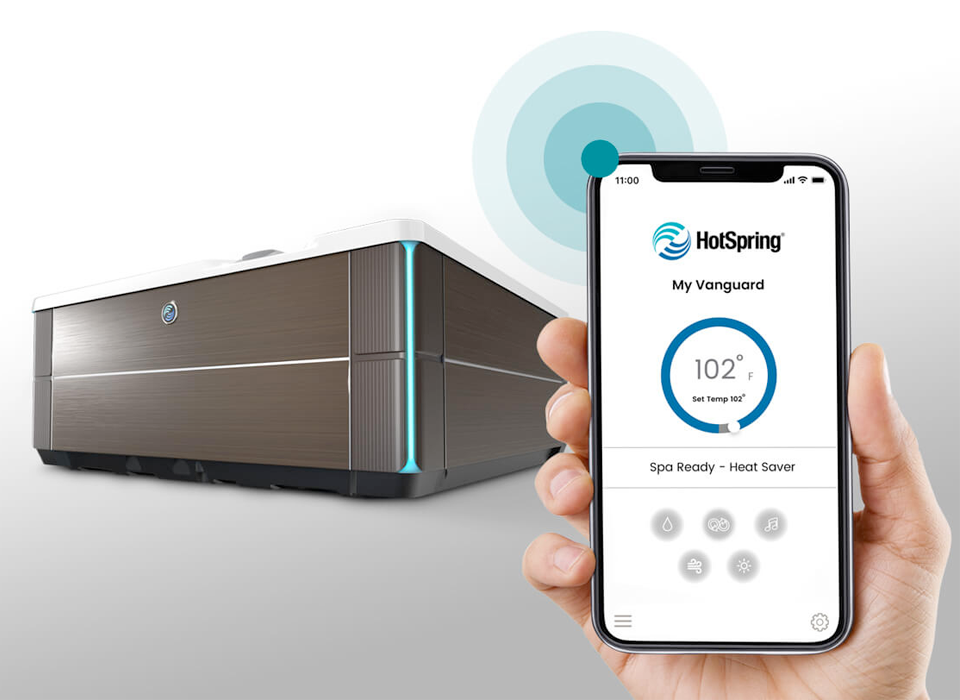
The companion apps for Coleman and Intex smart hot tubs are the primary interface for controlling and monitoring your spa. Temperature control is the most basic function, allowing you to adjust the water temperature remotely. But the apps offer far more than just that. You can typically control jet strength, adjust lighting colors and brightness, and set filtration schedules.
Coleman’s app is known for its user-friendly interface and straightforward controls. It’s designed to be intuitive, even for first-time smart hot tub owners. Intex’s app, while slightly more complex, offers greater customization options, allowing you to fine-tune various settings to your preferences. Both apps also provide error notifications, alerting you to potential problems with the hot tub.
The apps support both iOS and Android platforms, ensuring compatibility with a wide range of smartphones and tablets. However, some users have reported occasional issues with app stability and connectivity. These issues are often related to software bugs or compatibility problems with certain devices. Both Coleman and Intex are regularly releasing updates to address these concerns.
Beyond the core features, some apps offer advanced functionality like energy usage monitoring and remote diagnostics. These features can help you save money on energy bills and identify potential maintenance issues before they become serious problems. Feature availability varies depending on the specific model and app version. I've seen users request integrations with other smart home platforms, like IFTTT, which would open up even more possibilities.
Voice Assistant Integration: Relax, Just Ask
The integration of smart hot tubs with voice assistants like Amazon Alexa and Google Assistant represents the next level of convenience. Imagine being able to adjust the temperature or start a heating cycle simply by speaking a command. This hands-free control adds another layer of relaxation to the hot tub experience.
Currently, the level of voice control is somewhat limited. You can typically ask your voice assistant to check the water temperature or turn the lights on/off. More complex commands, like adjusting jet strength or changing the filtration schedule, may not be supported. However, the functionality is expanding as manufacturers continue to develop new integrations.
The integration process usually involves enabling the hot tub’s skill or action in the Alexa or Google Assistant app and linking your hot tub account. Once set up, you can use voice commands to control certain aspects of your hot tub. It’s a seamless experience when it works, but there can be occasional hiccups with voice recognition or connectivity.
While voice control is a promising feature, it’s not yet widely adopted. Many users still prefer to use the smartphone app for more precise control. However, as voice assistant technology improves and more features become available, I expect to see greater adoption in the coming years. It feels like a natural progression for the smart home.
Content is being updated. Check back soon.
Predictive Maintenance and Smart Alerts
One of the most exciting developments in smart hot tub technology is the ability to predict maintenance needs before they become major problems. By monitoring various parameters, such as heater performance, pump operation, and water chemistry, the system can identify potential issues and alert you to them.
For example, if the heater is starting to operate less efficiently, the system might send you an alert suggesting a filter cleaning or a check of the heater element. This proactive approach can prevent costly repairs down the road and extend the lifespan of your hot tub. The accuracy of these alerts depends on the sophistication of the monitoring system and the algorithms used to analyze the data.
Coleman and Intex are both incorporating predictive maintenance features into their newer models. The systems use sensors to collect data and machine learning algorithms to identify patterns that indicate potential problems. The alerts are delivered to your smartphone via the companion app, providing you with timely information and guidance.
This data collection allows the app to suggest specific maintenance tasks, like descaling the heater or replacing a worn filter, before the system shuts down.llection also allows manufacturers to improve their products over time. By analyzing data from thousands of hot tubs, they can identify common failure points and make design improvements to enhance reliability. It’s a win-win situation for both consumers and manufacturers. I wonder if this data is anonymized and aggregated to protect user privacy.
Smart Hot Tub Alert Systems: A Comparative Overview (2026 Projection)
| Brand | Alert Severity | Alert Type | Recommended Action |
|---|---|---|---|
| Coleman | Informational | Filter Cycle Reminder | User Intervention - Initiate filter cleaning cycle |
| Coleman | Warning | Temperature Deviation | User Intervention - Verify set temperature and adjust if necessary |
| Coleman | Critical | Pump Failure | Professional Service - Contact a qualified technician |
| Intex | Informational | Water Maintenance Reminder | User Intervention - Check and adjust water chemistry |
| Intex | Warning | Low Water Level | User Intervention - Add water to recommended level |
| Intex | Critical | Heating System Error | Professional Service - Contact a qualified technician |
| Jacuzzi | Informational | Energy Usage Report | User Intervention - Review and adjust settings for efficiency |
| Jacuzzi | Warning | Unusual Electrical Activity | Professional Service - Immediately disconnect power and contact an electrician |
Illustrative comparison based on the article research brief. Verify current pricing, limits, and product details in the official docs before relying on it.
Energy Efficiency and Smart Scheduling
With rising energy costs, efficiency is a major concern for hot tub owners. Smart hot tubs can help you save energy and money by optimizing heating cycles and filtration schedules. You can schedule the hot tub to heat up only when you need it, taking advantage of off-peak electricity rates if available.
The apps allow you to create custom schedules based on your usage patterns. For example, you can set the hot tub to heat up to your desired temperature a few hours before you typically use it, and then lower the temperature during the day to conserve energy. Some models also offer energy-saving modes that automatically adjust settings to minimize energy consumption.
Smart hot tubs also provide data on your energy usage, allowing you to track your consumption and identify areas where you can improve efficiency. This data can be presented in the form of charts and graphs, making it easy to understand your energy habits. It’s a valuable tool for reducing your environmental impact and lowering your utility bills.
The ability to remotely control your hot tub’s temperature and filtration system also contributes to energy savings. You can turn off the heater and filtration system when you’re away on vacation, preventing unnecessary energy waste. These features are becoming increasingly important as consumers become more conscious of their energy footprint.
Coleman Company Holdings Price Prediction 2026
Bull / Base / Bear scenario analysis
| Timeframe | Bull Case | Base Case | Bear Case | Key Driver |
|---|---|---|---|---|
| 1 Month | $46.75 | $44.25 | $40.50 | Smart hot tub product launch momentum and Q1 earnings anticipation |
| 3 Months | $52.00 | $47.80 | $38.25 | Market penetration of WiFi-enabled models and seasonal demand patterns |
| 6 Months | $58.50 | $51.75 | $35.80 | Summer season performance and smart technology adoption rates |
| 1 Year | $67.25 | $55.40 | $32.15 | IoT integration success and competitive positioning in smart outdoor equipment |
Price Prediction Summary
Coleman's expansion into smart hot tub technology positions the company for moderate growth, with WiFi-enabled models potentially driving premium pricing and market share gains. Success depends on consumer adoption of connected outdoor equipment and execution of smart technology integration.
Key Factors Affecting Coleman Company Holdings Stock Price
- Smart hot tub technology adoption and consumer acceptance
- Seasonal outdoor equipment demand cycles and weather patterns
- Competition from established spa manufacturers entering smart market
- Supply chain efficiency and component cost management for IoT features
Disclaimer: Predictions are speculative and not financial advice. Stock price predictions are based on current market analysis and may vary significantly due to market volatility, economic conditions, and other unpredictable factors. Always do your own research before making investment decisions.
Privacy and Security Considerations
Connecting your hot tub to the internet raises legitimate privacy and security concerns. What data is being collected about your usage patterns? How is that data being used? Is it being shared with third parties? These are important questions that consumers should ask before connecting their hot tub to WiFi.
Manufacturers typically collect data on things like water temperature, jet usage, and error codes. This data is used to improve product performance, provide customer support, and develop new features. However, it’s important to understand how this data is being stored and protected. Look for manufacturers that use encryption and secure data storage practices.
Security is another critical concern. A compromised hot tub could potentially be used as a gateway to access your home network. It’s essential to ensure your home WiFi network is secure with a strong password and up-to-date security settings. Regularly check for firmware updates for your hot tub, as these often include security patches.
Transparency is key. Manufacturers should clearly disclose their data collection practices and provide users with control over their data. I’m not sure how forthcoming all companies are being about this. It’s a relatively new area, and regulations are still catching up. Consumers should be proactive about protecting their privacy and security when using connected devices.
The Future of Smart Hot Tubs: What's on the Horizon?
The future of smart hot tubs looks incredibly promising. We can expect to see even greater integration with other smart home devices, allowing you to create customized scenes and automations. Imagine your hot tub automatically adjusting the temperature and lighting when your smart thermostat detects you’re home from work.
AI will likely play a bigger role in optimizing the hot tub experience. AI algorithms could learn your preferences and automatically adjust settings to create the perfect soak every time. They could also provide personalized recommendations for water chemistry and maintenance.
We might also see more sophisticated health monitoring features, such as sensors that track your heart rate and body temperature. This data could be used to provide insights into your health and well-being. It's a step toward a truly personalized and immersive hot tub experience.
Ultimately, the goal is to create a seamless and effortless experience that allows you to relax and enjoy your hot tub without having to worry about the technical details. It's an exciting time for the industry, and I anticipate seeing a lot of innovation in the years to come.


No comments yet. Be the first to share your thoughts!