

The case for inflatable tubs
Traditional hot tubs are heavy, expensive, and permanent. They need a reinforced deck or concrete pad that most renters or small-home owners can't justify. Inflatable models have filled this gap, offering a portable way to soak without the $5,000 price tag or the construction crew.
For those of us with limited space – apartment balconies, small backyards, or even just a desire for portability – an inflatable hot tub is a game changer. They offer a surprisingly similar experience to their hard-shell counterparts, but without the massive footprint or the hefty price tag. The technology has improved dramatically; what was once considered a flimsy alternative is now a viable option for serious relaxation.
The convenience factor is huge. Inflatable tubs are relatively easy to set up and take down, meaning you can move them as needed or store them away during the off-season. This flexibility is a major draw for renters or anyone who doesn’t want a permanent fixture in their yard. Plus, the initial cost is considerably lower, making hot tub ownership accessible to a wider range of people. We've seen a real shift, with brands like Intex, Coleman, and SaluSpa leading the charge in developing increasingly sophisticated inflatable models.
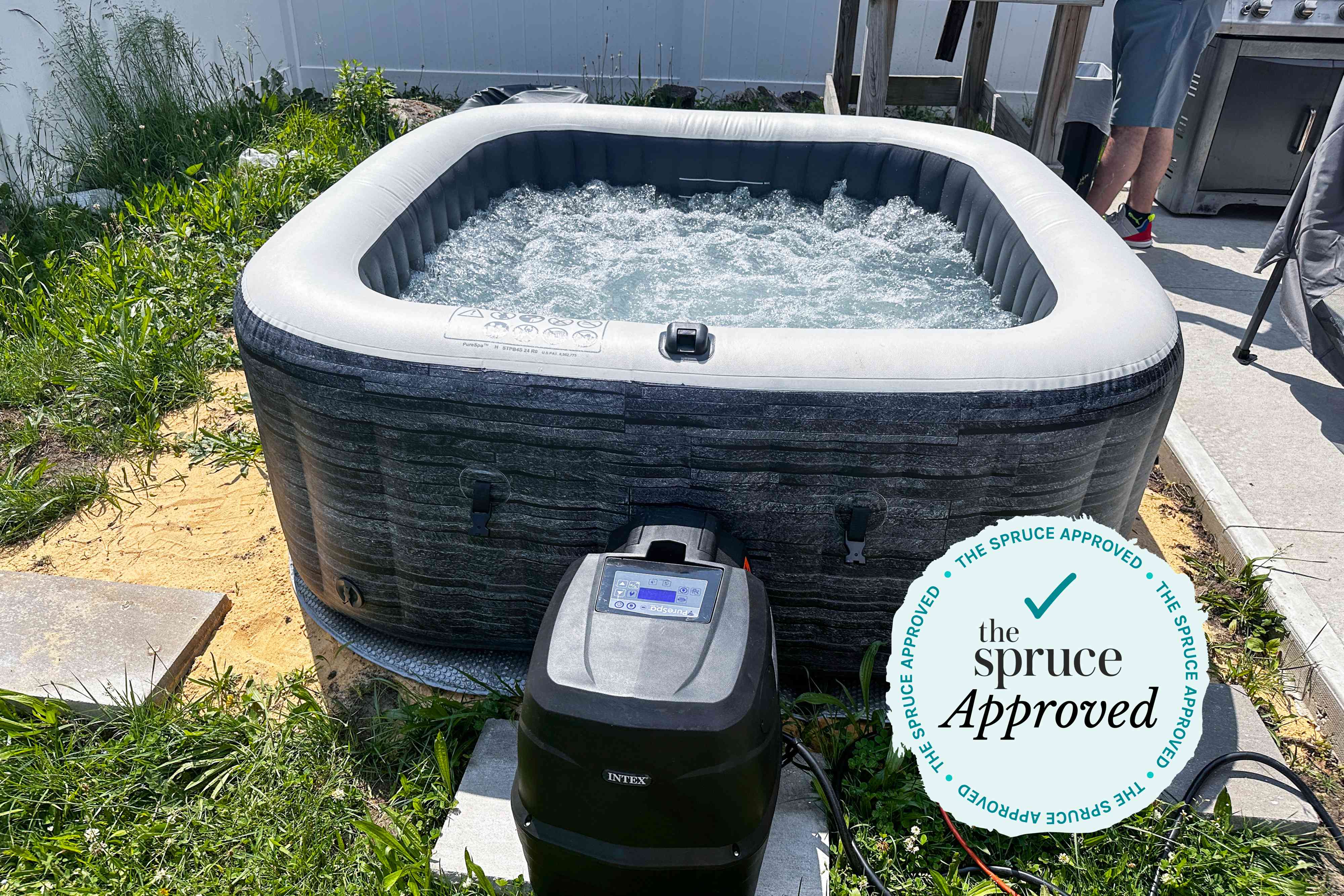
Intex PureSpa: Budget-Friendly Bubbles
Intex PureSpa hot tubs consistently rank as some of the most affordable options on the market. They offer a wide range of models, from smaller 2-person tubs to larger 6-person spas, catering to various needs and budgets. The Greywood Deluxe is a particularly popular choice, and as of late 2026, you can generally find it for around $450-$600, depending on the retailer.
One of the biggest pros of Intex PureSpa is its ease of setup. Many users report being able to inflate and fill the tub within an hour, making it a great option for spontaneous relaxation. They often feature jet and bubble massage systems, with varying levels of power. The heating systems are generally effective, though some users have reported slower heating times in colder weather. The filtration systems are adequate for maintaining water quality, but require regular attention.
However, Intex isn’t without its drawbacks. The materials used are often less durable than those found in more expensive brands, meaning the lifespan of the tub may be shorter. Some customers have reported issues with the heating element or the inflatable material developing leaks over time. Customer service experiences can be hit or miss, with some users praising the responsiveness while others have struggled to get their issues resolved. The Jet and Bubble Massage Spa is a step up in price, typically ranging from $600-$800, and offers a slightly more robust build.
Intex uses a fiber-tech internal structure to keep the walls rigid when you sit on the edge. These run on a standard 120V outlet, so you won't need an electrician. Most kits include a basic insulated cover and cup holders. If you're on a strict budget, the base Bubble Massage model usually sits around $350. These tubs last much longer if you actually dry them out before packing them away for winter.
Coleman: Durable and fast to inflate
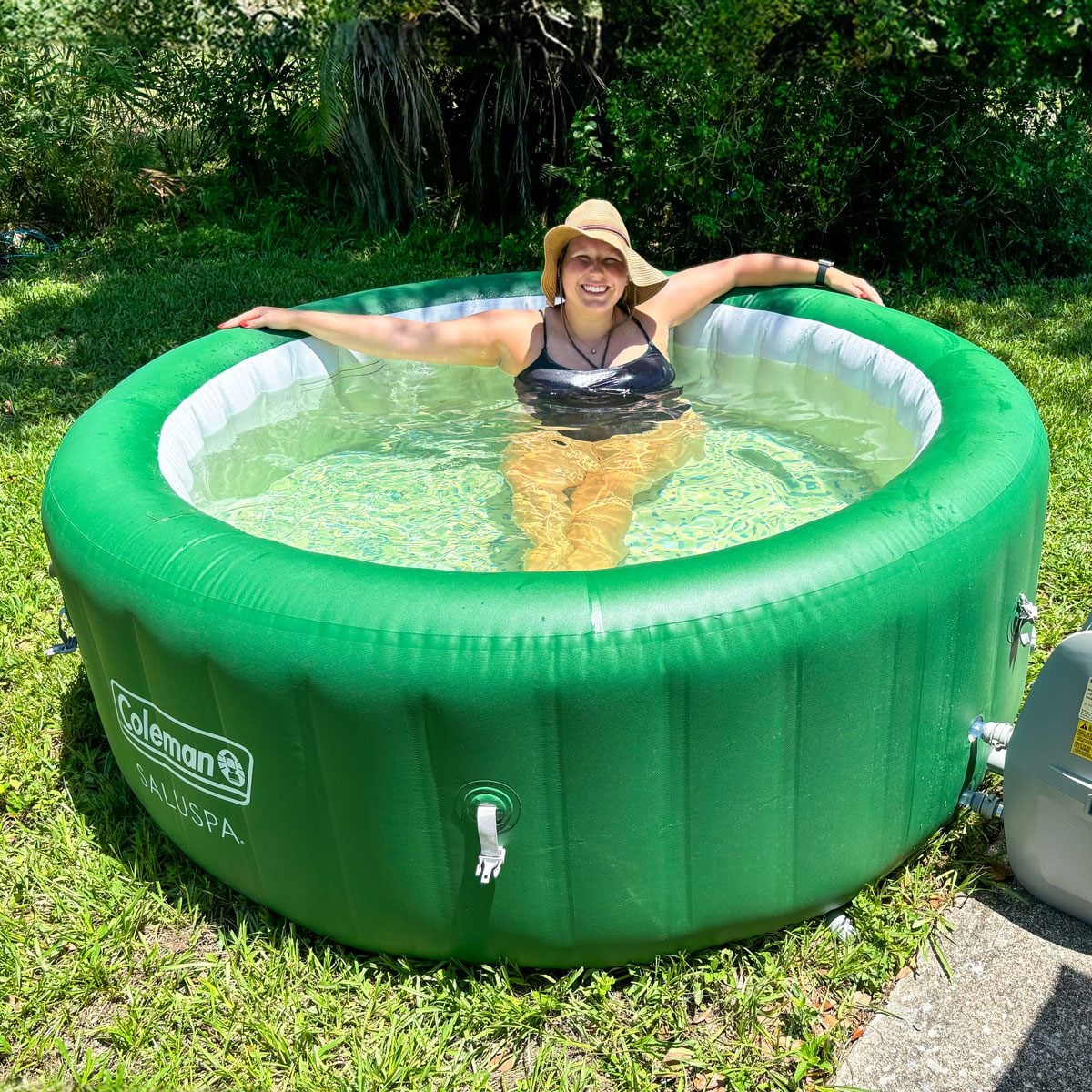
Coleman inflatable hot tubs have carved out a niche for themselves with a focus on quick and easy setup. They consistently receive praise for their user-friendliness, with many models being able to inflate in as little as 10 minutes. This is a significant advantage for those who want to spend less time setting up and more time soaking. The Coleman Lay-Z-Spa Hawaii is a prime example, typically priced between $500 and $700 as of late 2026.
Compared to some Intex models, Coleman tubs often feel a bit more durable. They tend to use thicker PVC material, which offers greater resistance to punctures and tears. The brand recognition of Coleman also lends a sense of trust and reliability – it's a name many people associate with quality outdoor products. However, don’t expect the same level of luxury features as you’d find in a higher-end SaluSpa.
The main limitations of Coleman hot tubs are their smaller model selection and potentially less powerful jets. While the jets are adequate for a relaxing soak, they may not provide the same level of deep tissue massage as some of the more advanced systems. The SaluSpa Palm Springs, frequently found in the $600-$800 range, is a popular Coleman option, offering a good balance of price and features. It's worth considering if you prioritize quick setup and decent durability over high-end bells and whistles.
Coleman tubs often incorporate features like a rapid heating system and an energy-saving timer, allowing you to control operating costs. They also typically include a reinforced floor and a puncture-resistant outer liner. While the feature set isn’t as extensive as some competitors, Coleman focuses on delivering a reliable and hassle-free hot tub experience.
SaluSpa: Premium Inflatables?
SaluSpa (often marketed as Bestway SaluSpa) generally positions itself as the more premium option among these three brands. They offer a range of models with features designed to enhance comfort and convenience, and they typically come with a higher price tag to match. The SaluSpa Fiji, for instance, usually sells for between $800 and $1100 as of late 2026.
SaluSpa's Freeze Shield is the main reason to pay more. It automatically circulates water when temperatures drop, which keeps the pump from cracking in the winter. The jets are also more aggressive than Intex's, with actual nozzles you can aim. The PVC walls feel thicker and less like a pool toy than the budget brands.
However, the higher price point is a significant consideration. Whether the added features justify the cost depends on your individual needs and budget. If you live in a cold climate and plan to use your hot tub year-round, the Freeze Shield technology may be worth the investment. But if you live in a warmer climate or only plan to use the tub seasonally, you may not need those extra features. The SaluSpa Palm Springs is another solid option, typically priced around $700-$900, and offers a good balance of features and affordability.
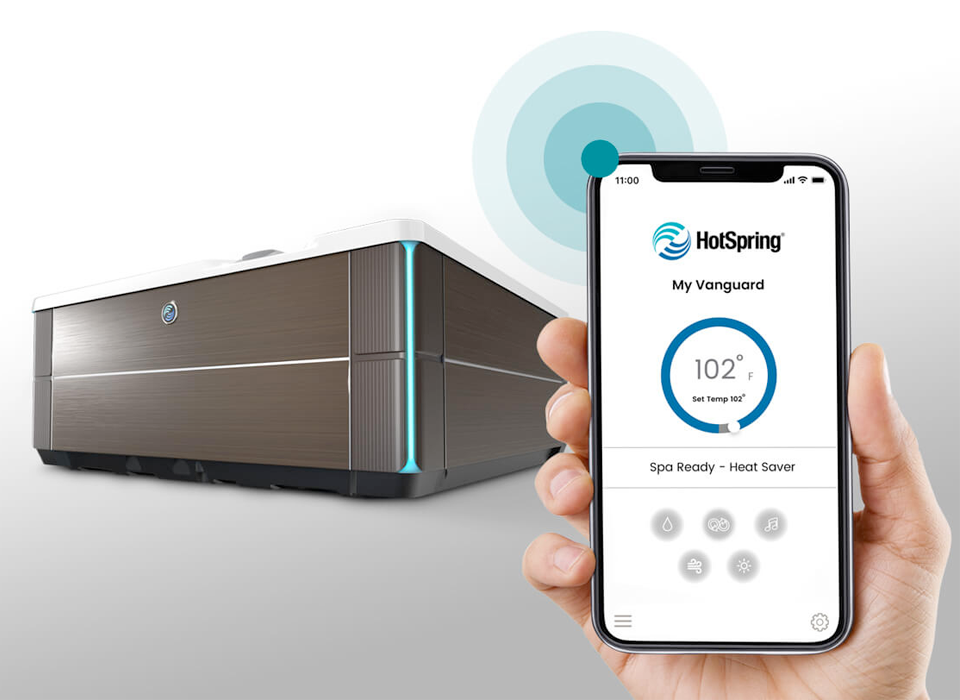
SaluSpa tubs often include features like a digital control panel, a built-in Wi-Fi module for remote control, and a multi-color LED lighting system. They also tend to have more comfortable seating arrangements and a more luxurious overall feel. The brand focuses on creating a spa-like experience, and they generally succeed in delivering on that promise.
Side-by-Side: Key Feature Breakdown
Choosing the right inflatable hot tub often comes down to prioritizing specific features. Here’s a direct comparison to help you weigh your options. This table focuses on factors most important for those with limited space.
Understanding these differences is key. Dimensions dictate whether a tub will even fit in your available area. Capacity determines how many people can comfortably enjoy it. Heating speed impacts how quickly you can get the water to your desired temperature. Jet power influences the massage experience, while a good filtration system ensures clean and safe water. A strong warranty offers peace of mind, and ultimately, price is a major deciding factor.
- Feature: Dimensions (Inflated), Intex PureSpa: Varies by model (typically 70-85 inches diameter), Coleman: Varies (typically 72-78 inches diameter), SaluSpa: Varies (typically 75-90 inches diameter)
- Feature: Capacity, Intex PureSpa: 2-6 people, Coleman: 2-4 people, SaluSpa: 2-7 people
- Feature: Heating Speed, Intex PureSpa: 1.5-2°F per hour, Coleman: 2-2.5°F per hour, SaluSpa: 2-3°F per hour
- Feature: Jet Power, Intex PureSpa: Moderate, Coleman: Moderate, SaluSpa: High
- Feature: Filtration System, Intex PureSpa: 3-way filtration, Coleman: 6-way filtration, SaluSpa: 6-way filtration
- Feature: Warranty, Intex PureSpa: 1 year limited, Coleman: 1 year limited, SaluSpa: 1 year limited
- Price (Late 2026): Intex ($350 - $800), Coleman ($500 - $900), SaluSpa ($700 - $1200)
Intex, Coleman, and SaluSpa Inflatable Hot Tub Comparison (2024)
| Feature | Intex | Coleman | SaluSpa |
|---|---|---|---|
| Price Point | Generally Lower | Competitive | Often Higher |
| Setup Complexity | Moderate – Requires some effort | Faster, Simpler | Moderate – Similar to Intex |
| Material Durability | Standard PVC – Good for occasional use | Durable PVC with reinforced features | Generally considered higher quality PVC |
| Jet System Power | Basic Jet Systems | Moderate Jet Power | More Powerful Jet Options Available |
| Feature Variety | Wide range of sizes and basic features | Focus on simplicity and portability | Advanced features like lighting and sound systems |
| Climate Protection | Limited – Best suited for warmer climates | Limited – Similar to Intex | Better Insulation – Performs better in cooler temps |
| Ease of Maintenance | Straightforward | Simple | Generally Easy, but may require specific filters |
| Brand Reputation | Well-established, budget-friendly | Known for value and convenience | Recognized for quality and innovation |
Qualitative comparison based on the article research brief. Confirm current product details in the official docs before making implementation choices.
Running Costs: Electricity and Maintenance
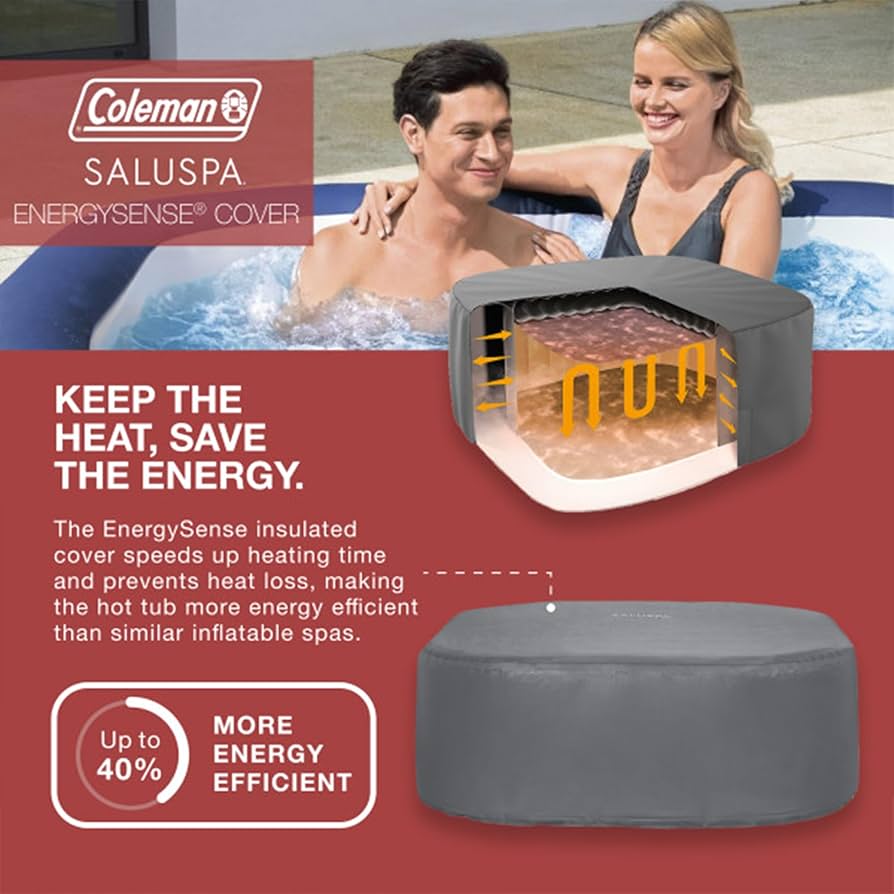
Beyond the initial purchase price, it’s important to consider the ongoing costs of running and maintaining an inflatable hot tub. Electricity is the biggest expense, and the amount will vary depending on your local rates, the tub’s insulation, and how often you use it. A typical inflatable hot tub will consume around 1.5-3 kWh of electricity per day, translating to roughly $0.20 - $0.60 per day at an average electricity rate of $0.15/kWh. Keeping the tub covered when not in use is crucial for minimizing heat loss and reducing energy consumption.
Maintenance requirements are fairly similar across all three brands. You’ll need to regularly test and adjust the water chemistry using chemicals like chlorine or bromine. Filter cleaning is also essential, typically every 2-4 weeks. The cost of chemicals will vary depending on the size of your tub and the frequency of use, but you can expect to spend around $50-$100 per month. Replacement parts, such as filters and heating elements, may be needed over time.
Intex tubs often have readily available and relatively inexpensive replacement parts. Coleman parts are generally accessible as well, thanks to the brand's widespread distribution. SaluSpa parts may be slightly harder to find and potentially more expensive. Proper winterizing is essential if you live in a cold climate. This involves draining the tub, cleaning the filters, and storing it in a dry, protected location. Failure to winterize properly can lead to damage and costly repairs.
To minimize running costs, consider using a programmable timer to control the heating schedule, keeping the tub covered when not in use, and regularly cleaning the filters to maintain efficient operation. Investing in a high-quality water chemistry testing kit can also help you avoid overspending on chemicals.
What owners actually experience
What do actual owners have to say about these tubs? Online reviews paint a mixed picture, as you’d expect. Intex PureSpa consistently receives praise for its affordability and ease of setup, but some users complain about the durability of the material and the responsiveness of customer service. One Reddit user commented, “My Intex tub is great for quick soaks, but I definitely don’t expect it to last for years.”
Coleman tubs generally receive positive reviews for their quick inflation and solid build quality. However, some users note that the jets aren’t as powerful as they’d like. An Amazon reviewer wrote, “Setup was a breeze, and the tub feels surprisingly sturdy. The jets are a little weak, but it’s still a relaxing experience.”
SaluSpa tubs often garner praise for their features and overall quality, but the higher price point is a common point of contention. A forum user on a hot tub enthusiast site stated, “The SaluSpa is definitely a step up in terms of quality and features, but it’s a significant investment. I’m happy with my purchase, but it’s not for everyone.”
A common thread across all three brands is the importance of proper maintenance. Users who diligently follow the water chemistry guidelines and regularly clean their filters tend to have fewer problems. It's clear that investing a little extra time in maintenance can significantly extend the lifespan of your inflatable hot tub.
Featured Products

Octagonal design with 120 bubble jets · Comfortably seats up to 4 people · Includes an energy-efficient spa cover
This Intex model offers a robust bubble massage experience for four people in a compact, octagonal shape.

Round design with 120 airjets · Suitable for 2 to 4 people · Energy-efficient and portable
The Coleman Miami provides a relaxing bubble experience for smaller groups, emphasizing energy efficiency and portability.

Round design with 140 airjets · Accommodates 4 to 6 people · Energy-efficient and portable
The SaluSpa Miami offers a slightly larger capacity with more jets, making it a good option for those needing space for up to six people.

Round design with bubble massage · Seats up to 6 people · Includes 2 headrests and an LED light
This premium Intex PureSpa Plus model enhances the hot tub experience with added comfort features like headrests and an LED light for up to six users.
As an Amazon Associate I earn from qualifying purchases. Prices may vary.
No comments yet. Be the first to share your thoughts!