

What the budget buys
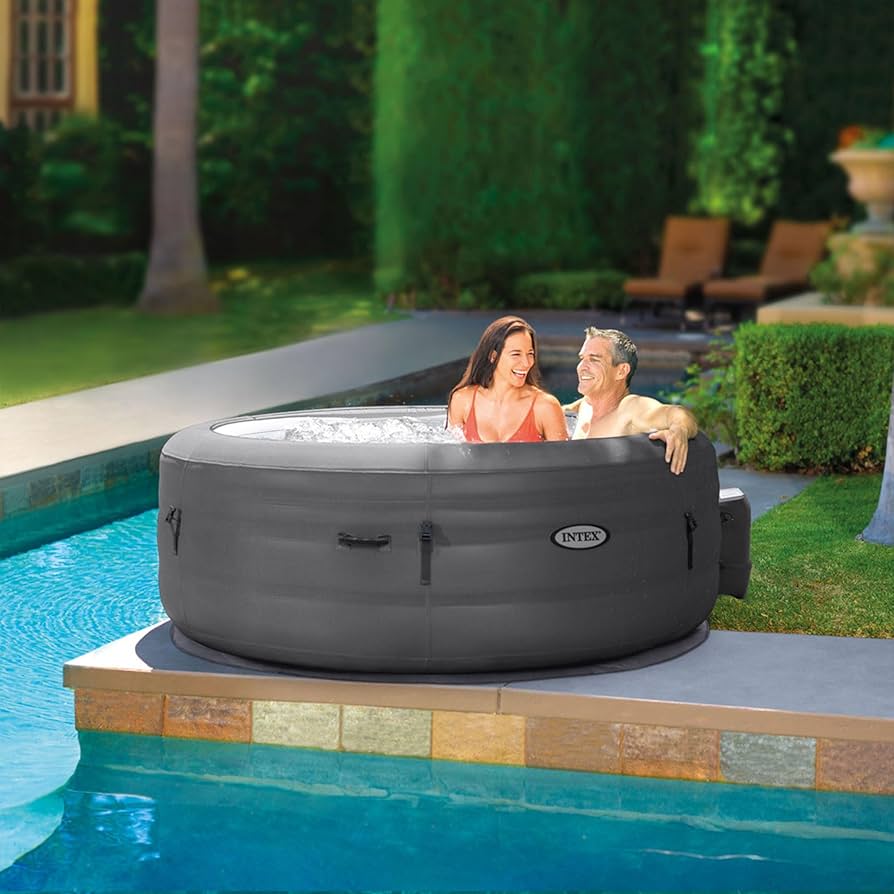
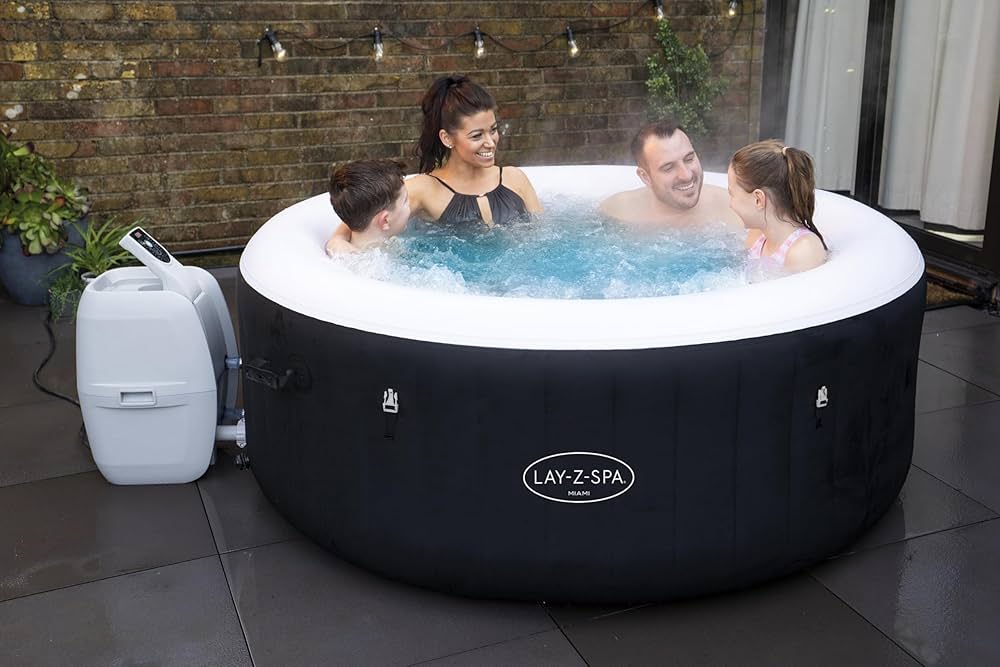
When shopping for an Intex or Coleman hot tub under $1,000, you are buying a portable shell, not a permanent fixture. These models rely on inflatable rings or lightweight frames rather than molded acrylic. The tradeoff is immediate: you save hundreds of dollars upfront, but you accept higher long-term maintenance and a shorter lifespan. Expect these tubs to last three to five years with careful care, compared to a decade or more for solid-shell units.
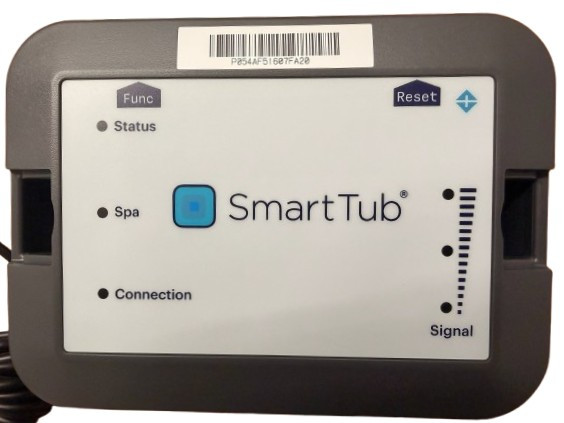
At this price point, "smart" technology is usually limited to basic remote controls rather than full app integration. You will rarely find built-in WiFi controllers or voice command compatibility in entry-level models. Instead, you get a digital keypad that lets you adjust temperature and pump speed. If you want voice control, you will likely need to purchase a separate smart plug or third-party controller, adding to the initial cost.
Energy efficiency is another area where budget models fall short. While premium spas use advanced insulation and heat pumps, inflatable tubs lose heat quickly through their thin walls. You may notice higher electricity bills during winter months. Some newer models, like those featuring Energy Smart systems, claim to reduce energy use by up to 20%, but this is still less efficient than a fully insulated shell. Check the wattage of the heater and the R-value of the insulation if cold-weather use is a priority.
Finally, consider the condition of used units. The secondhand market for Intex and Coleman tubs is active, but inspect the air rings for micro-punctures and check the pump for leaks. A used tub might offer better value, but ensure the control panel is responsive and the jets are not clogged. Always ask for proof of purchase to verify the age of the unit, as filters and pumps degrade over time regardless of use.
Models worth checking first
Finding smart hot tub technology that actually works with budget-friendly brands like Intex and Coleman requires looking past the marketing hype. While premium brands like Arctic Spas are rolling out advanced AI-driven water chemistry systems, the 2026 landscape for entry-level inflatable and hard-shell models focuses on reliable connectivity and basic automation.
The strongest options in this category prioritize stable WiFi controllers and app integration over complex AI adjustments. For Intex and Coleman users, the goal is usually seamless temperature control and filter scheduling rather than solar-rate optimization. However, some integrations do allow for energy savings by adjusting heating cycles based on electric rates, a feature gaining traction even in mid-range setups.
Below is a comparison of the leading smart hot tub technology options for 2026, focusing on connectivity, control methods, and maintenance features.
| Model Type | Primary Control | Smart Feature | Auto-Maintenance |
|---|---|---|---|
| Intex PureSpa Plus | Smartphone App | WiFi Controller Included | Basic Filter Timer |
| Coleman SaluSpa | Smartphone App | WiFi Enabled (Adapter Required) | Manual Chemical Checks |
| Arctic Spas (Entry) | Touchscreen + App | Smart pH Integration | Salt System + AI Monitoring |
| Generic WiFi Kits | Third-Party App | Remote Temp/Hybrid Control | None (Manual) |
The Intex PureSpa Plus remains a top contender for those seeking out-of-the-box smart functionality. Its built-in WiFi controller eliminates the need for external adapters, allowing direct app control for temperature and jet settings. This reliability is crucial for inflatable models, where connectivity drops can leave users without heat during cooler evenings.
Coleman SaluSpa models often require a separate WiFi adapter to achieve similar smart capabilities. While this adds a step, it keeps the base price lower. Users should verify adapter compatibility before purchasing, as firmware updates can occasionally disrupt connections.
For those willing to stretch their budget, entry-level Arctic Spas models offer a glimpse into the future of automated maintenance. The integration of Smart pH technology and freshwater salt systems reduces the manual labor of water chemistry, a significant upgrade over the basic filter timers found in most Intex and Coleman units.
Reddit communities frequently discuss the trade-offs between these systems. Users often highlight that while premium AI features are appealing, the core value of a smart hot tub lies in consistent, reliable remote access to heating and filtration.
Check before you buy
Smart hot tubs promise convenience, but the electronics are the most common point of failure. Before you commit to a model or a retrofit kit, verify the physical infrastructure. A $300 Wi-Fi controller is useless if the tub’s internal wiring can’t handle the load or if the water environment corrodes the connection.
As an Amazon Associate, we may earn from qualifying purchases.
Costs That Change the Math
A low sticker price on an Intex or Coleman hot tub often masks the real expense of ownership. These inflatable and soft-sided models are entry points, not permanent fixtures. When you factor in electricity, water treatment, and inevitable part replacements, the annual cost can rival a mid-range in-ground spa.
Energy consumption is the largest hidden variable. While newer models like the Intex PureSpa Plus advertise energy-efficient pumps, heating water in colder climates still draws significant power. A standard 110V unit running 24/7 in winter can add $30–$50 to your monthly electric bill. The Energy Smart® systems mentioned in recent reviews claim up to 20% reduction in energy use, but that savings only applies if you keep the cover on and the unit insulated properly.
Maintenance surprises often come from the filtration and pump systems. Inflatable hot tubs use replaceable cartridge filters that need cleaning every two weeks and replacement every three to six months, depending on usage. A single filter cartridge costs between $20 and $40. If you neglect this, the pump works harder, shortening its lifespan. The pump motor is the most common failure point, typically lasting 1–2 years with heavy use. Replacing it costs $80–$150 in parts alone, not including the time to drain and reassemble the tub.
Water chemistry also requires consistent spending. You cannot rely on the "freshwater salt system" gimmicks alone to maintain balance. You still need pH balancers, shock treatments, and algaecides. A monthly supply of chemicals runs about $15–$25. If you skip this, the water turns cloudy or green, forcing a full drain and refill—a process that wastes hundreds of gallons of water and requires a new chemical start.
When does a cheap buy stop being cheap? If you plan to use the tub more than three times a week, the wear-and-tear on the inflatable walls and seams accelerates. Punctures and seam splits are common after one season in harsh weather. At that point, the cumulative cost of repairs, energy, and chemicals often exceeds the price of a durable hard-shell model. For occasional summer use, however, the low upfront cost of an Intex or Coleman unit remains a smart financial choice.
Common questions
Smart hot tub technology has evolved from simple remote controls to integrated home systems, but it still comes with specific trade-offs. Here are the practical answers to the most common questions about WiFi controllers, app integration, and voice commands for Intex and Coleman models.
Does WiFi work reliably for portable hot tubs like Intex and Coleman?
Most modern Intex and Coleman spas use Bluetooth or proprietary 2.4GHz WiFi modules that connect directly to your phone. While convenient, these connections can be finicky if your router is far away or if you have thick concrete walls. For the most reliable control, place your router within 30 feet of the tub or use a WiFi extender. Bluetooth range is typically limited to 30-50 feet, so you’ll need to be outside or near a window to adjust settings via the app.
Can I control my hot tub with Alexa or Google Home?
Yes, but compatibility varies by manufacturer. Many newer Intex models support integration with Amazon Alexa and Google Assistant, allowing you to adjust temperature, turn jets on or off, and check water status using voice commands. However, not all Coleman models have native voice support. Check your specific model’s manual or the manufacturer’s app store listing to confirm if it supports third-party voice assistants. If it doesn’t, you may need a smart plug for basic power cycling, though this won’t allow temperature control.
Do smart controllers save money on electricity bills?
Smart controllers can reduce energy costs by optimizing heater cycles and pump usage based on your schedule and local weather. Some advanced systems even adjust temperatures based on electricity rates or solar production. However, the savings depend heavily on your usage habits. If you keep your tub heated 24/7 regardless of app settings, the smart features won’t significantly lower your bill. For occasional users, scheduling heats and cooldowns via the app can cut energy use by up to 20%.
What happens if my WiFi goes down?
Your hot tub will continue to function normally without an internet connection. The built-in control panel remains fully operational, allowing you to adjust temperature, filter cycles, and jets manually. The only feature you lose is remote access via the app and voice commands. Most smart controllers automatically reconnect to your network once WiFi is restored, so you won’t need to reconfigure settings manually.
No comments yet. Be the first to share your thoughts!