

Salt vs. chemical sanitation explained
The main difference between salt water hot tub benefits and traditional chemical systems comes down to how chlorine enters the water. A salt system uses a cell to generate chlorine from dissolved salt, while chemical systems require you to add chlorine tablets or granules directly. Both methods sanitize effectively, but the delivery method changes the user experience.
When you use a salt system, you add non-iodized salt to the water. The heater’s salt cell converts that salt into hypochlorous acid, which kills bacteria and algae. This process creates a continuous supply of sanitizer, meaning you don’t need to manually dose the water as often. In contrast, traditional systems rely on shock treatments and steady-state chlorine tablets to maintain sanitation levels.
| Feature | Salt System | Traditional Chemical System |
|---|---|---|
| Sanitizer Source | Generated from salt via cell | Added as tablets, granules, or liquid |
| Maintenance | Less frequent dosing | Regular monitoring and manual addition |
| Water Feel | Softer, less harsh on skin | Can feel drier or more irritating |
| Smell | Milder chlorine odor | Stronger chemical scent |
| Initial Cost | Higher (cell + installation) | Lower (basic tablets/chlorine) |
The sodium in salt-water hot tubs actively softens water, providing a more natural and less harsh environment for your skin, eyes, and hair. Many users report that salt systems result in less maintenance and monitoring, along with a slightly reduced chlorine smell. This makes the salt water hot tub benefits particularly appealing for those who spend a lot of time in their tub or have sensitive skin.
If you’re looking to upgrade your inflatable tub’s sanitation, here are some practical options:


As an Amazon Associate, we may earn from qualifying purchases.
Skin Feel and Odor Differences
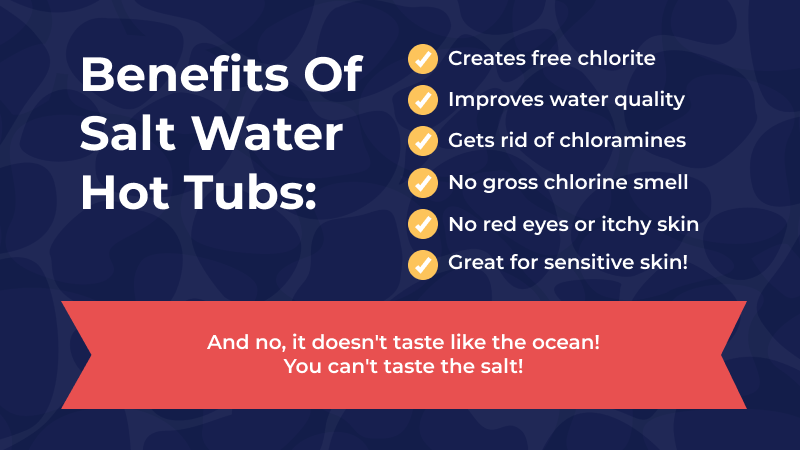
The most immediate difference between salt water and traditional chemical systems is how the water feels on your skin. Salt water hot tub benefits often center on this sensory shift, as the sodium in salt systems actively softens the water. This creates a less harsh environment for your skin, eyes, and hair compared to the more aggressive chemical profiles found in standard chlorine treatments.
Many users report that salt water feels noticeably smoother and silkier. Because the water is softer, it is less likely to strip natural oils from your skin or cause the tight, itchy feeling that often follows a soak in a heavily chlorinated tub. This gentleness is particularly noticeable for those with sensitive skin or conditions like eczema, making the soak itself more relaxing rather than a potential irritant.
Odor is another practical factor. Traditional chlorine systems can produce a strong, pungent smell that some find overwhelming, especially in enclosed or poorly ventilated spaces. Salt systems generate chlorine on-site through electrolysis, which typically results in a much milder scent. While you will still detect the presence of sanitizer, it lacks the sharp, chemical bite associated with adding liquid chlorine or shock directly to the water.
The table below compares these sensory and comfort aspects side-by-side.
| Feature | Salt Water System | Traditional Chemical System |
|---|---|---|
| Skin Feel | Soft, smooth, less drying | |
| Can be harsh, stripping oils | ||
| Odor | Mild, minimal chlorine smell | |
| Strong, pungent chlorine scent | ||
| Eye Irritation | Lower risk of redness | |
| Higher risk of stinging eyes |
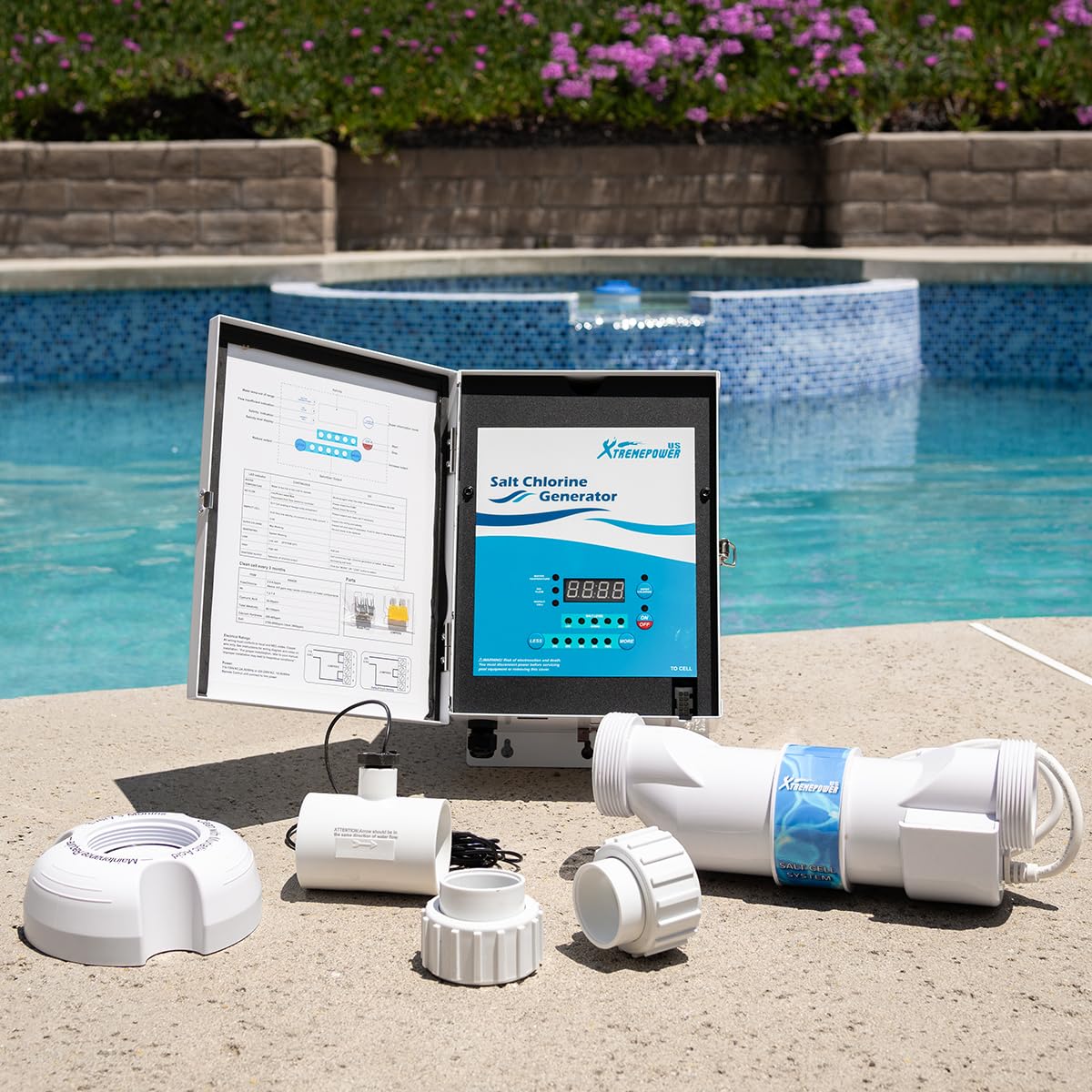
If you are looking to upgrade your current setup to experience these benefits, you can find various salt chlorinator systems and compatible accessories for inflatable hot tubs below.


As an Amazon Associate, we may earn from qualifying purchases.
Maintenance Effort and Cost
Salt Water Hot Tub Benefits vs. Chemical Systems for Inflatable Tubs works best as a sequence, not a pile of settings. Do the minimum first: confirm compatibility, connect the primary device, update only when needed, and test the result before adding optional features. That order keeps the task understandable and makes failures easier to isolate. After each step, pause long enough for the device or app to finish syncing. Many setup problems are timing problems disguised as configuration problems. If the same step fails twice, record the exact error, restart the smallest affected piece, and retry before moving deeper.
| Factor | What to check | Why it matters |
|---|---|---|
| Fit | Match the option to the primary use case. | A good deal still fails if it does not fit the job. |
| Condition | Verify age, wear, and service history. | Hidden condition issues erase upfront savings. |
| Cost | Compare purchase price with likely upkeep. | The cheapest option is not always the lowest-cost option. |
Compatibility with Inflatable Hot Tubs
Use this section to make the Salt Water Hot Tub Benefits vs. Chemical Systems for Inflatable Tubs decision easier to compare in real life, not just on paper. Start with the reader's actual constraint, then separate must-have requirements from details that are merely nice to have. A practical choice should survive normal use, maintenance, timing, and budget. If a recommendation only works in an ideal situation, call that out plainly and give the reader a fallback path.
The simplest way to use this section is to write down the must-have criteria first, then compare each option against those criteria before weighing nice-to-have features.
Health considerations for joint pain
Both salt water and traditional chemical systems deliver the same core hydrotherapy benefits. Warm water immersion supports an active lifestyle by relieving pressure on muscles and helping to loosen stiff joints. This thermal effect is consistent regardless of whether you use a salt generator or chlorine tablets.
However, the water chemistry itself can influence skin health. Salt water systems are often preferable for individuals with sensitive skin or conditions like psoriasis. Traditional chlorine systems can sometimes cause dryness or irritation, whereas the gentler nature of salt water may reduce these side effects. That said, warm water can trigger flare-ups for some people with psoriasis, so it is important to monitor your skin's reaction.
If you are managing psoriatic arthritis or other chronic conditions, consult a doctor before using a hot tub. What works for one person may exacerbate symptoms for another.
| Feature | Salt Water | Chemical System |
|---|---|---|
| Joint Relief | Yes | Yes |
| Skin Sensitivity | Gentler | Can cause dryness |
| Maintenance | Automated generator | Manual dosing |


As an Amazon Associate, we may earn from qualifying purchases.
Which system fits your routine
Choosing between a salt water hot tub benefits and a traditional chemical system comes down to two main tradeoffs: daily comfort versus upfront simplicity. Salt systems generate chlorine automatically, which reduces the need for manual dosing and often results in softer water that is gentler on skin and eyes. However, the initial hardware cost is higher, and the salt cell requires periodic replacement.
Traditional chemical systems, such as shock and test strips, offer a lower entry price and straightforward mechanics. You buy chemicals when needed, but this requires more active monitoring and handling of harsh substances. If you prioritize a spa-like feel and want to minimize weekly maintenance tasks, a salt system is usually the better fit. If you prefer a low-tech approach with minimal monthly bills, stick with chemicals.
| Feature | Salt System | Chemical System |
|---|---|---|
| Initial Cost | Higher | Lower |
| Daily Effort | Low (auto-generation) | Medium (manual dosing) |
| Water Feel | Softer, less irritating | Standard |
| Long-term Cost | Cell replacement every 3-5 years | Ongoing chemical purchases |
If you or your guests experience dry skin, itchy eyes, or strong chemical odors, a salt water hot tub benefits you significantly. The sodium chloride system produces a milder form of chlorine that feels less harsh than traditional shock treatments.
Salt systems require a larger initial investment for the generator cell and controller. Traditional systems are cheaper to start but require a steady supply of chlorine, shock, and pH balancers. Calculate whether you prefer higher upfront costs or smaller, frequent purchases.
Salt systems automate sanitization, meaning you only need to check levels occasionally. Chemical systems demand regular testing and manual adding of products. Choose the system that matches how much time you want to spend on water care each week.


As an Amazon Associate, we may earn from qualifying purchases.
Salt Water Hot Tub FAQs
Is a salt water hot tub better for psoriatic arthritis?
Warm water can soothe the joint pain and stiffness associated with psoriatic arthritis (PsA). However, salt water systems are not a medical treatment. While some users report softer skin, others may find that the heat or water chemistry triggers dryness or exacerbates psoriasis. It is essential to consult a doctor before using a hot tub to manage PsA symptoms, regardless of whether you use salt or traditional chemicals.
Does a salt system require less maintenance than chlorine?
Salt water systems generally reduce the frequency of manual chemical balancing. Instead of adding chlorine tablets or liquid weekly, the salt cell generates chlorine automatically from dissolved salt. This means less monitoring of chlorine levels and fewer trips to the store for chemicals. However, you still need to test the water balance (pH and alkalinity) regularly and add salt when levels drop.
Can I use a salt system in an inflatable hot tub?
Yes, many inflatable hot tubs are compatible with salt chlorinators. Look for a portable, battery-powered salt cell that fits into your tub’s circulation line. These systems are designed for smaller volumes and lower flow rates. Ensure your hot tub’s pump can handle the added resistance of the salt cell, and follow the manufacturer’s instructions for salt concentration to avoid corrosion.
How much salt do I need to add?
Most salt water hot tubs require a specific salt concentration, typically between 2,500 and 3,500 parts per million (ppm). You will need a salt test kit to measure your water’s current levels. Add salt gradually, allowing it to dissolve completely before testing again. Over-salting can damage seals and metal components, so always aim for the manufacturer’s recommended range.
Are salt water hot tubs more expensive to run?
Initial setup costs are higher due to the salt cell and salt itself. However, long-term operating costs are often lower because you buy bulk salt instead of expensive liquid or tablet chlorine. Salt is inexpensive and lasts for months or even years. The main ongoing cost is electricity for the pump and heater, which remains the same as with a traditional system.
No comments yet. Be the first to share your thoughts!