


What the budget buys
Your budget for DIY hot tub privacy solutions determines whether you are building a permanent architectural feature or installing a temporary screen. At the low end, under $200, you are looking at freestanding panels or heavy-duty outdoor curtains. These options offer immediate visual blocking but lack the structural permanence of wood or composite materials. They are ideal for renters or those who want to rearrange their backyard layout seasonally.
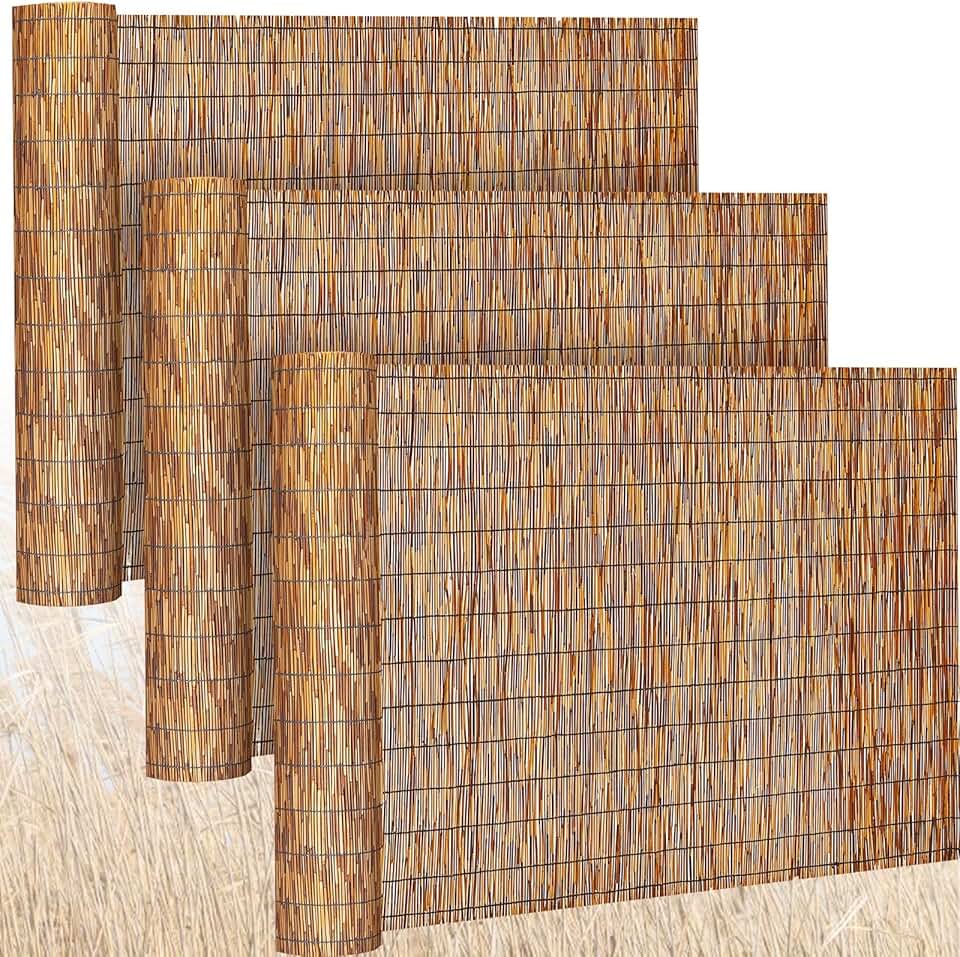
Spending between $200 and $500 unlocks the ability to build simple wooden lattice screens or install bamboo fencing. This price range allows for materials that blend more naturally with garden landscapes, providing a softer, more organic look than plastic alternatives. You can create a semi-private enclosure that filters light while maintaining airflow, which is essential for preventing moisture buildup around your hot tub.
For budgets exceeding $500, you can construct sturdy pergolas or install high-quality vinyl privacy fencing. These investments offer long-term durability and can significantly increase your home’s curb appeal. While the upfront cost is higher, the materials resist rot and warping better than untreated wood, reducing maintenance over time. Choose your material based on how long you plan to stay in your current home and how much maintenance you are willing to perform annually.
Models worth checking first
Choosing the right privacy solution depends on your yard’s layout, budget, and how much maintenance you’re willing to handle. The strongest options for 2026 fall into three categories: permanent structures, semi-permanent screens, and natural barriers. Each offers different trade-offs in terms of cost, durability, and aesthetic impact.
Freestanding Privacy Screens
Freestanding screens are the most flexible option for renters or homeowners who want to move their hot tub later. These panels are typically made from cedar, bamboo, or composite materials and can be arranged in zigzag patterns to block sightlines from multiple angles. They require no drilling or permanent installation, making them ideal for decks or patios where structural changes aren’t allowed.
The main drawback is wind resistance. Lightweight screens can tip over in strong gusts, so look for models with weighted bases or ground stakes. Cedar is the most popular choice because it resists rot and blends naturally with outdoor environments, though it requires annual sealing to maintain its color.
Outdoor Curtains and Canopies
For a softer, more decorative approach, outdoor curtains offer excellent privacy without blocking airflow. These are usually mounted on overhead rails or pergola beams and can be drawn back when you want an open sky view. Fabric choices range from solution-dyed acrylics, which resist fading and mildew, to synthetic blends that dry quickly after rain.
This option works best when paired with a pergola or gazebo. Without a sturdy overhead structure, curtains can flap excessively in the wind, reducing their effectiveness. However, they add a layer of elegance that rigid screens cannot match, making them a favorite for modern backyard spas.
Natural Privacy with Plants
Living walls of bamboo, ornamental grasses, or evergreen shrubs provide the most organic privacy solution. Plants grow taller over time, offering increasing coverage year after year without additional cost. They also help dampen the sound of water and mask the noise of nearby neighbors or street traffic.
The trade-off is space and maintenance. You need room for root systems and regular pruning to keep plants from overcrowding the hot tub area. Bamboo, in particular, can spread aggressively if not contained in root barriers. For small yards, container-grown trees or tall potted shrubs offer a compromise between greenery and flexibility.
Comparison of Privacy Options
| Feature | Freestanding Screens | Outdoor Curtains | Natural Plants |
|---|---|---|---|
| Installation | Quick, no tools needed | Requires overhead rail | Needs planting space |
| Durability | 5-10 years (wood) | 3-7 years (fabric) | Indefinite (growing) |
| Wind Resistance | Moderate | Low to Moderate | High |
| Maintenance | Annual sealing | Cleaning/Storage | Pruning/Watering |
| Cost | $$ | $$ | $ (initially) |

As an Amazon Associate, we may earn from qualifying purchases.
Check before you buy
Give a practical inspection checklist focused on expensive failure points.
A useful reference point is 18 Backyard Hot Tub Privacy Ideas to Create an At-Home Oasis, but treat it as context rather than a substitute for your own inspection.
-
Verify the basicsConfirm the core specs, condition, and fit before comparing extras.
-
Price the downsideLook for the repair, maintenance, or replacement cost that would change the decision.
-
Compare alternativesCheck at least two comparable options before treating one listing as the benchmark.
Ownership Costs That Change the Math
The sticker price of a privacy screen is only the starting point. When you account for materials, hardware, and the time spent installing, the real cost reveals itself over years of use. A $50 bamboo screen might look like a bargain, but it often warps or fades within a single season, forcing you to replace it sooner than expected. In contrast, a powder-coated aluminum screen costs more upfront but resists rust and holds its shape through harsh weather, making it cheaper in the long run.
Maintenance is the silent cost driver. Wood structures need annual staining or sealing to prevent rot and insect damage. If you skip this step, you aren’t saving money; you’re just delaying a costly rebuild. Metal and vinyl require almost no upkeep, but they can get hot to the touch in direct sunlight. Plants are free to start, but they demand water, soil amendments, and pruning. A neglected hedge becomes a pest haven or a fire hazard near electrical components.
Consider the "cheap buy" trap. Low-cost options often lack the structural integrity to withstand wind loads or the weight of climbing vines. When a cheap screen collapses, you face cleanup costs, potential injury liability, and the need to buy a higher-quality replacement. It is better to invest in durable materials that last five years or more than to replace flimsy solutions every year. Calculate the total cost of ownership, not just the initial purchase price, to make a smart choice for your backyard oasis.
Common questions
Choosing the right privacy solution depends on your yard’s layout, local rules, and how much work you want to tackle yourself. Here are answers to the most practical questions readers ask before starting a DIY project.
Is a privacy screen better than a fence for hot tubs?
Privacy screens are lighter and easier to move if you rearrange your patio, but they offer less wind protection. Fences provide solid, permanent barriers that block sound and sightlines completely. If you rent or like to change your backyard layout, stick with freestanding screens or heavy-duty lattice panels. For permanent setups, a wood or vinyl fence is more durable.
Can I use plants for year-round hot tub privacy?
Evergreen shrubs and bamboo are the best choices for consistent coverage. Deciduous plants lose their leaves in winter, leaving your hot tub exposed when you might need privacy most. Bamboo grows quickly but can be invasive; choose clumping varieties and install root barriers. Pair tall evergreens like arborvitae with lower ornamental grasses for a layered, natural look that softens the space.
Do I need a permit to build a pergola or gazebo?
Most municipalities require permits for permanent structures like pergolas and gazebos, especially if they exceed a certain height or square footage. Check your local zoning laws and HOA rules before breaking ground. Freestanding screens and outdoor curtains usually do not require permits, making them a safer bet for quick, low-risk upgrades.
How do I keep outdoor curtains from getting moldy?
Hot tubs create a humid environment that encourages mildew. Choose solution-dyed acrylic fabrics, which resist fading and mold better than cotton or linen. Install curtains on a sturdy track system that allows you to pull them back when not in use, promoting airflow. Regularly spray them with a mildew remover to extend their life and keep them looking fresh.
No comments yet. Be the first to share your thoughts!