

Winter privacy challenges
As the days shorten and temperatures drop, many hot tub owners find themselves facing a new challenge: a loss of privacy. The bare branches of deciduous trees offer less shielding, and homes seem closer together when the landscape is stripped down to its essentials. It’s a curious thing, this winter vulnerability. We crave the warmth and relaxation of a hot tub during the coldest months, but that desire often clashes with a feeling of exposure.
This isn't just about avoiding the gaze of neighbors, though that’s certainly a factor. There’s also a psychological component. When it’s cold, we naturally seek cozy, secluded spaces. Feeling exposed while trying to unwind can diminish the therapeutic benefits of a hot soak. Plus, with more people spending time indoors, looking out their windows, the potential for unwanted observation increases.
The good news is there are numerous solutions available, ranging from simple and affordable to more elaborate and permanent. This article will explore a variety of hot tub privacy ideas for 2026, focusing on strategies that work particularly well in winter. We’ll look at modern screens, gazebos, landscaping, and even integrated decking solutions, all with the goal of creating a peaceful, private retreat. The aim is to extend the enjoyment of your hot tub throughout the year, regardless of the season.
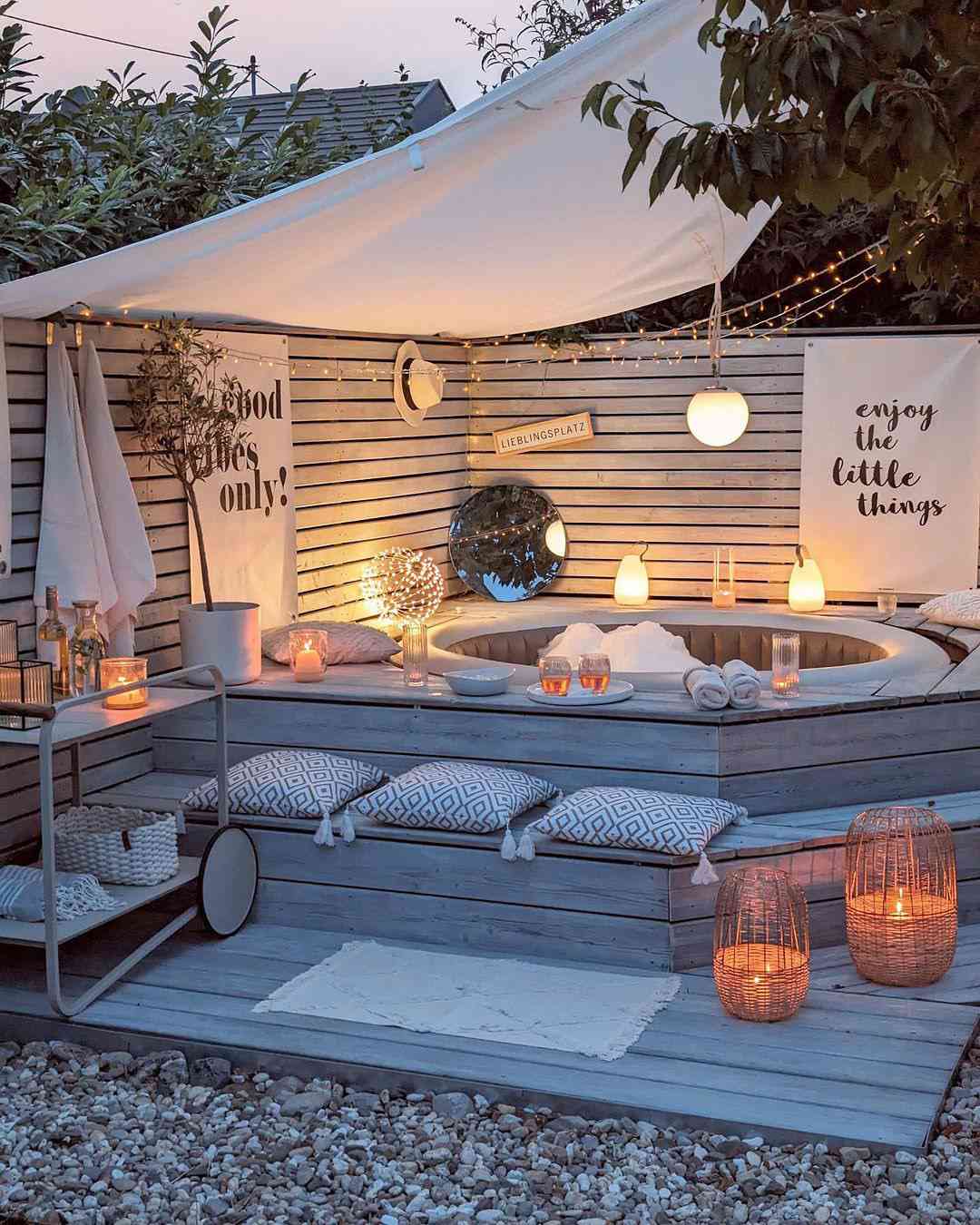
Modern privacy screens
Freestanding privacy screens are a versatile and relatively inexpensive way to create a secluded hot tub area. They offer flexibility – you can move them as needed – and come in a wide range of styles and materials. For winter use, durability is paramount. Avoid flimsy plastic options that might crack in the cold or topple in the wind.
Metal screens, particularly those with geometric designs, can add a modern touch. Powder-coated aluminum or steel is a good choice, as it resists rust and corrosion. Composite materials, designed to mimic wood but requiring less maintenance, are also an excellent option. Frosted acrylic panels offer a sleek, contemporary look and provide a good degree of visual obstruction. However, always be sure to properly anchor screens against strong winds – a sudden gust can easily send them tumbling.
Consider screens designed to support climbing plants, even if the plants are dormant during the winter months. The structure itself will provide some privacy, and the anticipation of greenery in the spring can be a pleasant thought. You can also interweave weatherproof fabrics or outdoor curtains between the screen supports for added coverage. Prices vary wildly, from around $100 for a simple bamboo screen to $1000+ for a large, ornate metal panel.
Gazebos and pavilions for year-round use
For a more substantial and permanent privacy solution, consider a gazebo or pavilion. These structures offer significant protection from the elements, allowing you to enjoy your hot tub year-round. Gazebo styles range from traditional, often hexagonal designs, to more modern, rectangular pavilions. Asian-inspired gazebos with curved roofs are also popular.
Materials play a crucial role. Wood is classic and aesthetically pleasing, but requires regular maintenance to prevent rot and weathering. Metal gazebos, particularly those made from aluminum, are more durable but can be more expensive. Vinyl gazebos offer a good balance of affordability and low maintenance. A fully enclosed gazebo, with solid walls and a roof, provides the most privacy, but can also feel a bit claustrophobic.
Open-sided gazebos can be outfitted with curtains, screens, or even clear vinyl panels for added privacy and weather protection. Integrating lighting into your gazebo design is a great way to create a cozy atmosphere. Consider string lights, spotlights, or even recessed lighting. Heating options, such as infrared heaters, can extend your hot tub season even further. Before you build, be aware that many municipalities require permits for structures of this size, so check your local regulations.
Adding a privacy screen around the base of the gazebo can further enhance seclusion. This layered approach is often the most effective. Gazebo costs can vary tremendously, from around $500 for a simple, pre-fabricated kit to $10,000 or more for a custom-built structure. The price will depend on the size, materials, and features.
- Traditional hexagonal gazebo
- Modern rectangular pavilion
- Asian-inspired curved roof gazebo
- Fully enclosed gazebo
- Open-sided gazebo with curtains/screens
Privacy Solutions
- Retractable Privacy Screens - Offer flexible privacy; can be extended when needed and retracted during warmer months. Options include woven HDPE fabric or vinyl-coated polyester.
- Wood Lattice Panels - A classic choice, providing partial screening while allowing some airflow. Cedar and treated pine are durable options.
- Permanent Gazebos - Provide complete enclosure and weather protection. Consider options with built-in roofs and optional side panels.
- Polycarbonate Panels - Used within a gazebo or as standalone screens, these offer excellent visibility while blocking wind and providing privacy.
- Evergreen Trees & Shrubs - Strategic planting of dense evergreens like Arborvitae or Leyland Cypress creates a natural privacy barrier. Plan for mature size!
- Outdoor Curtains - Weather-resistant outdoor curtains hung from a pergola or gazebo frame offer a soft, adjustable privacy solution.
- Gazebo Planning Checklist - Before building, confirm: Local permitting requirements, desired level of enclosure, material durability for your climate, integration of lighting and heating, budget considerations, and space available.
- Bamboo Screening - A naturally renewable option, bamboo screens provide a tropical aesthetic and moderate privacy. Ensure it’s treated for outdoor use.
Landscaping for Winter Privacy
Creating a privacy screen with landscaping is challenging in winter, as many trees and shrubs lose their leaves. However, strategic planting of evergreen trees and shrubs can provide year-round coverage. Consider the mature size of the plants when making your selections – you want them to provide adequate privacy without overwhelming the space.
Leyland cypress, arborvitae, and various types of juniper are popular choices for privacy hedges. Bamboo can be effective, but its invasiveness should be carefully considered, especially in certain climates. Rock features or berms (raised mounds of earth) can also create visual barriers. Combining these elements – evergreens, rocks, and berms – can provide a layered effect.
Even a small amount of landscaping can make a significant difference. Planting a row of shrubs along a property line can block views from neighboring windows. Remember to choose varieties that are hardy enough to withstand your local winter conditions. Some evergreens are susceptible to damage from heavy snow, so research accordingly. It’s also important to consider the impact of snowdrifts on your plantings.
Decking & Built-In Privacy Walls
Integrating privacy features directly into your deck design is a sophisticated approach. Multi-level decking, with a raised platform for your hot tub, can create a natural sense of seclusion. Built-in privacy walls, constructed from wood or composite materials, can provide a solid barrier against prying eyes.
TimberTech (timbertech.com) and other composite decking brands offer durable, low-maintenance options that are ideal for this purpose. Composite decking resists fading, staining, and rotting, making it a long-lasting investment. You can incorporate planters into the privacy walls to add a touch of greenery, even in winter.
Building a privacy structure directly into your deck is generally more expensive than using freestanding screens or a gazebo. Costs can range from $1,000 to $10,000 or more, depending on the size and complexity of the project. However, it can significantly increase the value of your home and create a truly customized outdoor space.
Combining Solutions: Layered Privacy
The most effective hot tub privacy solutions often involve combining different elements. For example, you might install a gazebo and then surround it with freestanding privacy screens. Landscaping can be used to soften the edges of the structure and create a more natural feel. This layered approach provides both visual and physical barriers.
It’s important to strike a balance between privacy and aesthetics. You don’t want to create a fortress that feels isolating. Consider using a variety of materials and textures to add visual interest. Incorporate lighting to highlight the privacy features and create a welcoming atmosphere. Up-lighting trees or shrubs can create dramatic shadows and add depth to the landscape.
Think about the sightlines from your neighbors’ windows and strategically place your privacy elements to block those views. Even small details, like adding a trellis with climbing plants, can make a difference. A well-designed privacy solution should enhance the overall beauty of your backyard, not detract from it.
Budget Breakdown: Privacy Costs in 2026
Understanding the potential costs is crucial before embarking on a hot tub privacy project. Here’s a realistic overview of what you can expect to spend in 2026. These are estimates, and actual costs will vary depending on your location, materials, and labor.
Privacy Screens: $100 - $1000+ (depending on material and size). Gazebos: $500 - $10,000+ (depending on style, materials, and features). Landscaping: $200 - $2000+ (depending on the amount of planting and materials used). Decking/Built-in Walls: $1000 - $10,000+ (depending on the size and complexity of the project).
Remember to factor in the cost of permits, if required, and any necessary site preparation. It’s always a good idea to get multiple quotes from contractors before making a decision. Don't forget to account for ongoing maintenance costs, such as staining or sealing wood structures.
Privacy Solution Comparison for Hot Tubs
| Privacy Solution | Estimated Cost | Installation Difficulty | Weather Resistance | Aesthetic Flexibility |
|---|---|---|---|---|
| Privacy Screen (Wood/Composite) | Medium | Moderate | Good | Medium |
| Privacy Screen (Metal) | Medium to High | Moderate | Excellent | Medium |
| Landscaping (Evergreen Trees/Shrubs) | Medium to High | Moderate to Hard | Good | High |
| Gazebo (Soft Top) | Medium | Moderate | Poor to Good | Medium |
| Gazebo (Hard Top) | High | Hard | Excellent | Medium |
| Pergola with Curtains | Medium | Easy to Moderate | Good (with weather-resistant curtains) | High |
| Fencing | Medium to High | Hard | Excellent | Medium |
Illustrative comparison based on the article research brief. Verify current pricing, limits, and product details in the official docs before relying on it.
Hot Tub Enclosure Considerations
For the ultimate in privacy and year-round usability, consider a full hot tub enclosure. These structures provide complete protection from the elements and eliminate any concerns about being observed. However, they are also the most expensive and complex option.
Enclosures can range from permanent structures, built from wood or composite materials, to temporary domes or inflatable enclosures. Permanent enclosures require careful planning and permitting, while temporary enclosures are easier to set up and take down. The benefits of an enclosure include year-round use, protection from the elements, and increased privacy.
While enclosures aren't for everyone, they are worth considering for those who prioritize privacy and want to enjoy their hot tub regardless of the weather. Costs can vary significantly, from a few thousand dollars for a basic dome to $10,000 or more for a custom-built enclosure.

No comments yet. Be the first to share your thoughts!