

The real cost of hot tub electricity
A hot tub usually adds $300 to $600 to your annual electricity bill. Most owners focus on the sticker price and forget that keeping the water warm is a constant, expensive drain on the power grid.
Temperature control is the single largest energy drain for any hot tub. It's a constant battle against heat loss, and that battle directly impacts your wallet. But what if I told you that with the right approach, you could potentially cut those energy costs by 40%? That's the promise of modern, energy-efficient hot tub heating solutions.
Energy prices aren’t exactly going down, are they? Between fluctuating markets and a growing emphasis on sustainability, the cost of powering your hot tub is likely to remain a concern. Ignoring this issue isn’t an option for many homeowners. Fortunately, there's a lot you can do to minimize your hot tub's energy footprint and keep those bills manageable.
Where the heat goes
Heat escapes in four ways: evaporation, convection, conduction, and radiation. Evaporation is the worst. When water turns to vapor, it takes the heat with it, which happens much faster if you live in a dry climate.
Convection happens when warm air rises from the hot tub surface and is replaced by cooler air. Conduction is heat transfer through direct contact – the shell of the hot tub losing heat to the surrounding air. Radiation is the emission of heat as infrared waves. These processes work together, constantly siphoning away the energy your heater is working so hard to maintain.
A lot of heat loss is preventable. The quality of your hot tub cover is paramount. A flimsy or ill-fitting cover allows a substantial amount of heat to escape. Wind exposure also plays a role – a hot tub located in a windy spot will lose heat much faster. Even the ambient temperature matters; the greater the difference between the water temperature and the air temperature, the faster the heat loss.
The best heating tech for 2026
The good news is that hot tub heating technology is constantly evolving. Looking ahead to 2026, here's a breakdown of the most energy-efficient options available. We're seeing real innovation in this space, driven by both consumer demand and stricter energy regulations.
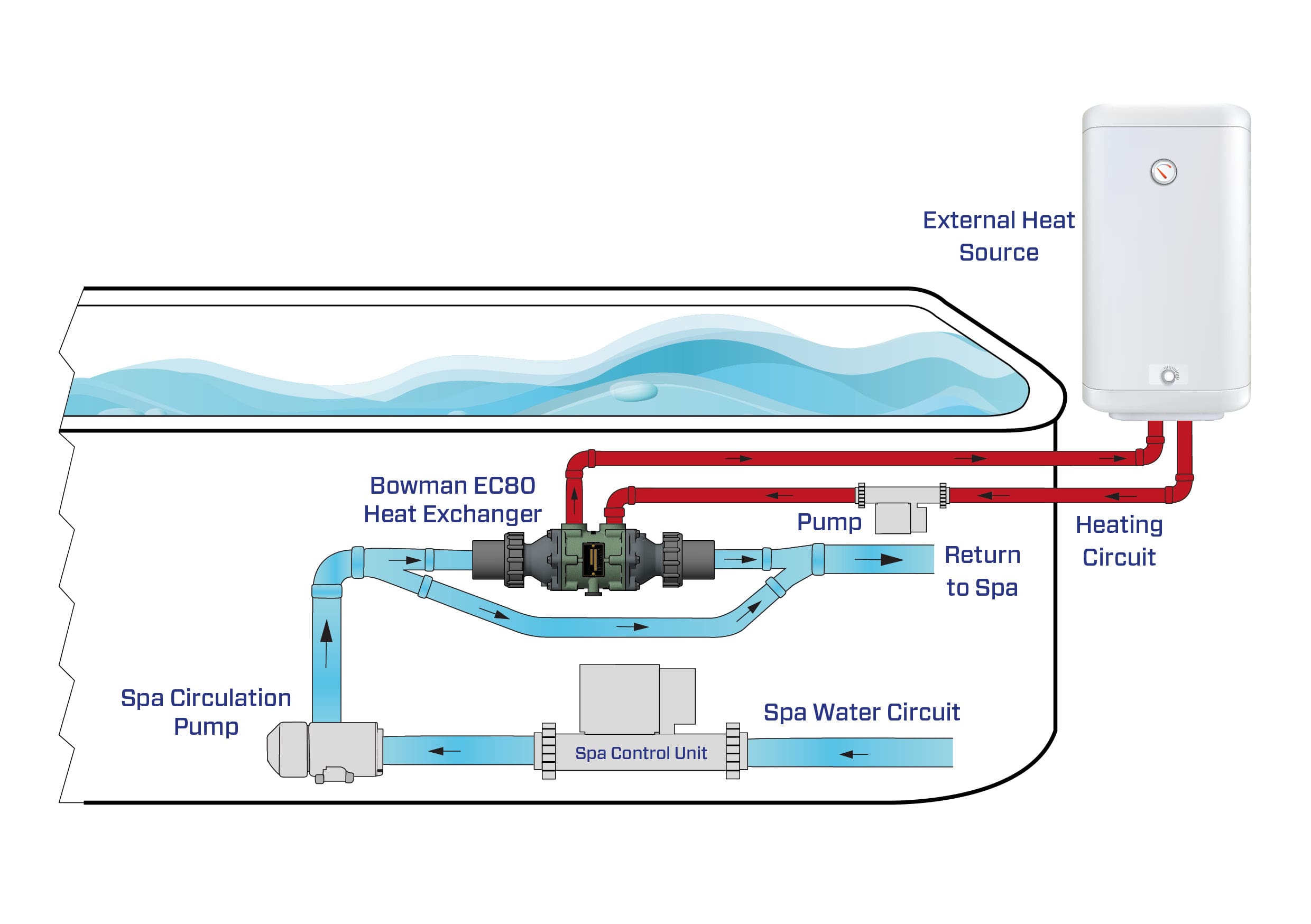
High-Efficiency Electric Heaters are the standard, but even here, improvements are being made. Manufacturers are focusing on element design – using materials that transfer heat more effectively – and sophisticated control systems that minimize wasted energy. Some newer models feature variable-speed pumps that reduce energy consumption during periods of low demand.
Heat Pumps are gaining serious traction. Unlike traditional electric heaters that generate heat, heat pumps transfer heat from the surrounding air to the water. This makes them significantly more efficient – often using 70-80% less energy than a standard electric heater. While the initial cost is higher, the long-term savings can be substantial. They work best in warmer climates, however, as their efficiency drops in colder temperatures.
Smart Heater Controls are a game-changer. These systems allow you to schedule heating cycles, remotely monitor and adjust the temperature, and even learn your usage patterns to optimize energy consumption. Many integrate with smart home ecosystems like Amazon Alexa and Google Assistant, allowing for voice control and automated adjustments. I've found that setting a schedule to heat up the tub only a few hours before I plan to use it saves a surprising amount of energy.
Solar Heating is an eco-friendly option, but it requires a significant upfront investment. Solar panels heat water that is then circulated through the hot tub. The viability of solar heating depends on your location, the amount of sunlight you receive, and the size of your hot tub. It’s often best suited as a supplemental heating source, rather than a primary one. Installation costs can range from $3,000 to $8,000, according to estimates from EnergySage (as of October 2023).
Featured Products

Extra insulation to minimize heat loss · Protects spa from punctures and weather damage · Includes safety buckles for secure closure
This cover enhances insulation, reducing the energy needed to maintain hot tub temperature and protecting your investment.

Accommodates up to 4 adults · Plug and Play setup for easy installation · Features a durable stainless steel heater
This all-in-one hot tub offers a convenient and efficient heating solution with its integrated stainless steel heater.

Dual Wi-Fi (2.4G+5G) smart home connectivity · Remote control capabilities via smartphone app · Compatible with Alexa and Google Home for voice control
This smart thermostat timer allows for precise control over your hot tub's heating schedule, optimizing energy usage and comfort.

Energy-saving lid designed for round hot tubs · Foldable and protective design · Suitable for outdoor inflatable hot tubs
This inflatable hot tub cover is an affordable and effective way to reduce heat loss and save energy.

Heavy-duty bubble solar blanket for heat retention · Reduces water evaporation · Easy to cut to size for a custom fit
This solar blanket utilizes bubble technology to trap heat and minimize evaporation, significantly reducing heating costs.
As an Amazon Associate I earn from qualifying purchases. Prices may vary.
Insulation & Covers: Don't Overlook the Basics
Investing in the latest heating technology is pointless if your hot tub isn't properly insulated. Insulation acts as a barrier, slowing down heat loss. Different materials have different R-values – a measure of thermal resistance. Higher R-values indicate better insulation. Full-foam insulation is generally considered the most effective, followed by multi-layer insulation.
Your hot tub cover is your first line of defense against heat loss. Check its condition regularly for cracks, tears, or waterlogging. A damaged cover can lose a significant amount of heat. If your cover is more than a few years old, or if it’s showing signs of wear, it’s time to replace it. A good quality cover can pay for itself in energy savings.
Consider a cover lifter. These devices make it easier to remove and replace the cover, which encourages consistent use and prevents damage. A well-maintained cover will extend the life of your hot tub and maximize the effectiveness of your heating system.
- Check for cracks or waterlogging in the foam.
- Make sure the cover seals tightly against the acrylic shell.
- Consider the R-value: Higher R-values mean better insulation.
Salt Water Systems: An Energy Angle?
Do salt water hot tubs use more or less energy than traditional chlorine systems? It’s a surprisingly complex question. Salt water systems use a salt water generator to produce chlorine through electrolysis. The generator itself consumes some energy, but it’s generally less than the energy required to continuously add chlorine tablets or liquid chlorine.
The efficiency of the salt water generator is a key factor. Newer models are designed to be more energy-efficient than older ones. However, the overall energy consumption depends on the size of your hot tub, the frequency of use, and the salinity level. I’m not sure there’s a definitive answer here; it seems to depend on a lot of variables.
There's a common misconception that salt water systems require more energy because they need to maintain a specific salinity level. While it’s true that you need to monitor and adjust the salt level periodically, the energy cost associated with this is minimal.
Calculating Your Potential Savings
Want to get a rough estimate of your potential savings? Here's a simple guide. First, determine your current electricity rate (check your utility bill). Then, estimate your hot tub's energy consumption – this will depend on its size, insulation, and heating system. A typical hot tub might use 1,500 watts.
Let’s say you use your hot tub for 2 hours per day, and your electricity rate is $0.15 per kilowatt-hour (kWh). That's 3 kWh per day (1500 watts = 1.5 kW). Daily cost: 3 kWh x $0.15/kWh = $0.45. Monthly cost: $0.45/day x 30 days = $13.50. Now, if you reduce your energy consumption by 40% with a heat pump and smart controls, you'd save $5.40 per month.
This is a simplified calculation, of course. Factors like climate and usage frequency will affect your actual savings. But it gives you a starting point for estimating the potential benefits of investing in energy-efficient hot tub technology.
What is coming next
The future of hot tub heating looks promising. We're likely to see further advancements in heat pump technology, with even greater efficiency and improved performance in colder climates. New insulation materials are also being developed, offering better thermal resistance with a smaller environmental footprint.
More sophisticated smart controls will become commonplace, with features like predictive heating algorithms and integration with smart grids. Imagine a hot tub that automatically adjusts its temperature based on real-time energy prices. That’s not science fiction; it's a realistic possibility.
Ultimately, the goal is to make hot tub ownership more sustainable and affordable. By embracing these new technologies, we can enjoy the benefits of a relaxing soak without breaking the bank or harming the planet.




No comments yet. Be the first to share your thoughts!