

What to know first
Adding a hot tub to a small backyard often creates a visibility problem. When space is tight, you can't simply move the tub further from the property line, meaning your relaxation spot is often directly in the line of sight of a neighbor's second-story window or a side fence.
We selected these hot tub privacy ideas based on three practical constraints: footprint, installation speed, and airflow. A solid wall might block the view, but it can also trap steam and make a small patio feel like a closet. The following options prioritize "breathable" privacy—solutions that block direct sightlines without sacrificing the open-air feel of a soak.
12 Screens, Plants, and Layouts That Actually Work
Creating a secluded soak in a tight space requires balancing sightlines with airflow. These 12 hot tub privacy ideas use specific dimensions and materials to block neighbors without making your yard feel claustrophobic.
-
:max_bytes(150000):strip_icc()/Emily-Henderson_Emily-Boswer_No-Plumbing-Hot-Tubs_Opener-aa52b4ee147a41a792a80b627ae1f375.jpg)
Bamboo fence rolls
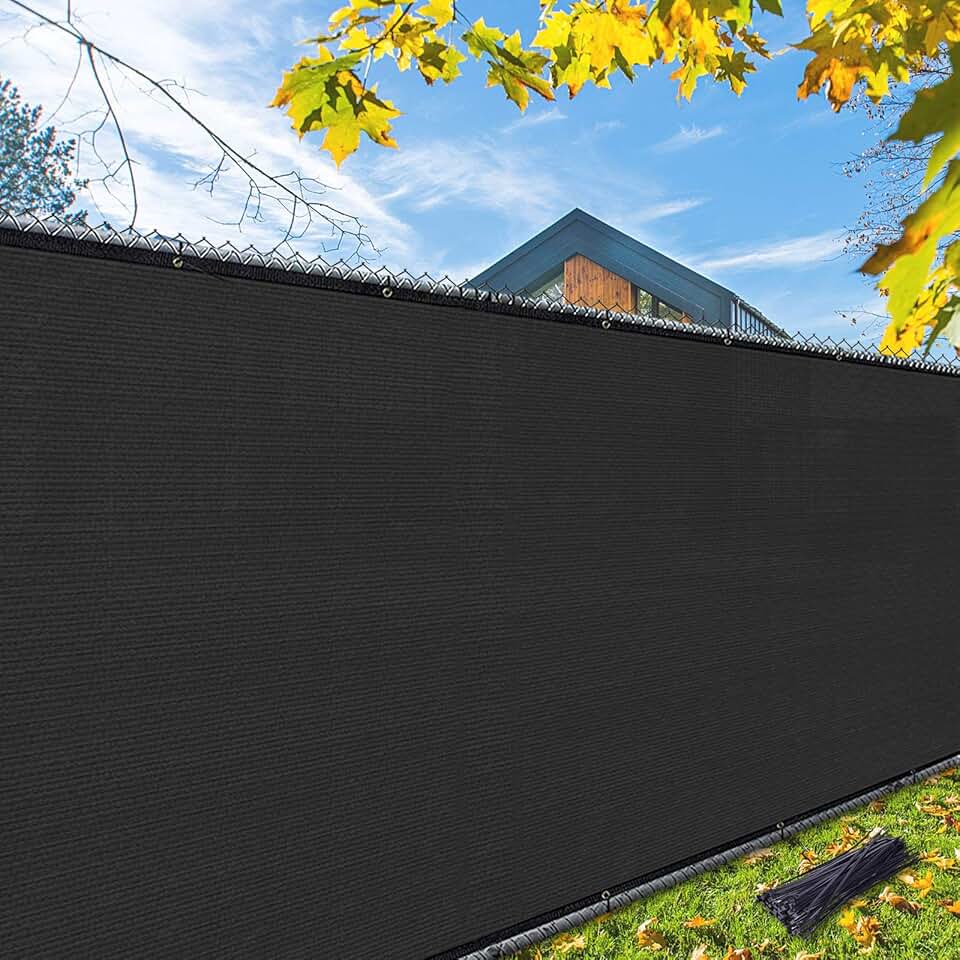
Bamboo rolls provide an instant, organic barrier that is easier to install than permanent fencing. These rolls zip-tie directly to existing chain-link or wooden frames, blocking sightlines from neighbors without requiring heavy construction. They are ideal for renters or those needing a temporary solution that adds a tropical aesthetic to a tight space. -
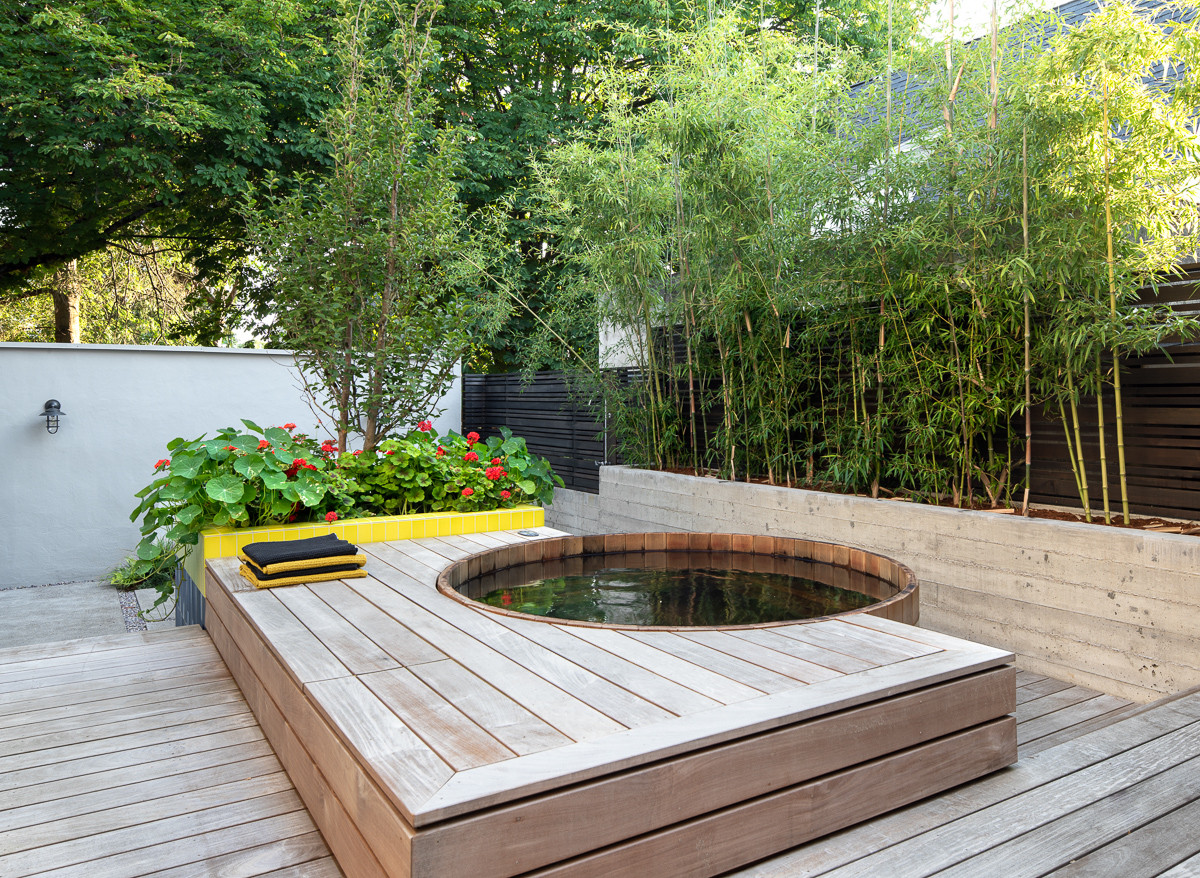
Tall arborvitae hedges
Emerald Green arborvitae act as living walls, offering dense evergreen foliage that stays thick year-round. Unlike deciduous shrubs, these maintain privacy during winter months. Planting them in a tight row creates a sound-dampening buffer that isolates the spa area from street noise while blending the hot tub into the natural landscape. -
:max_bytes(150000):strip_icc()/herzenstimme-3e7a63a436f64087890e4be85e227cb5.jpg)
Outdoor privacy curtains
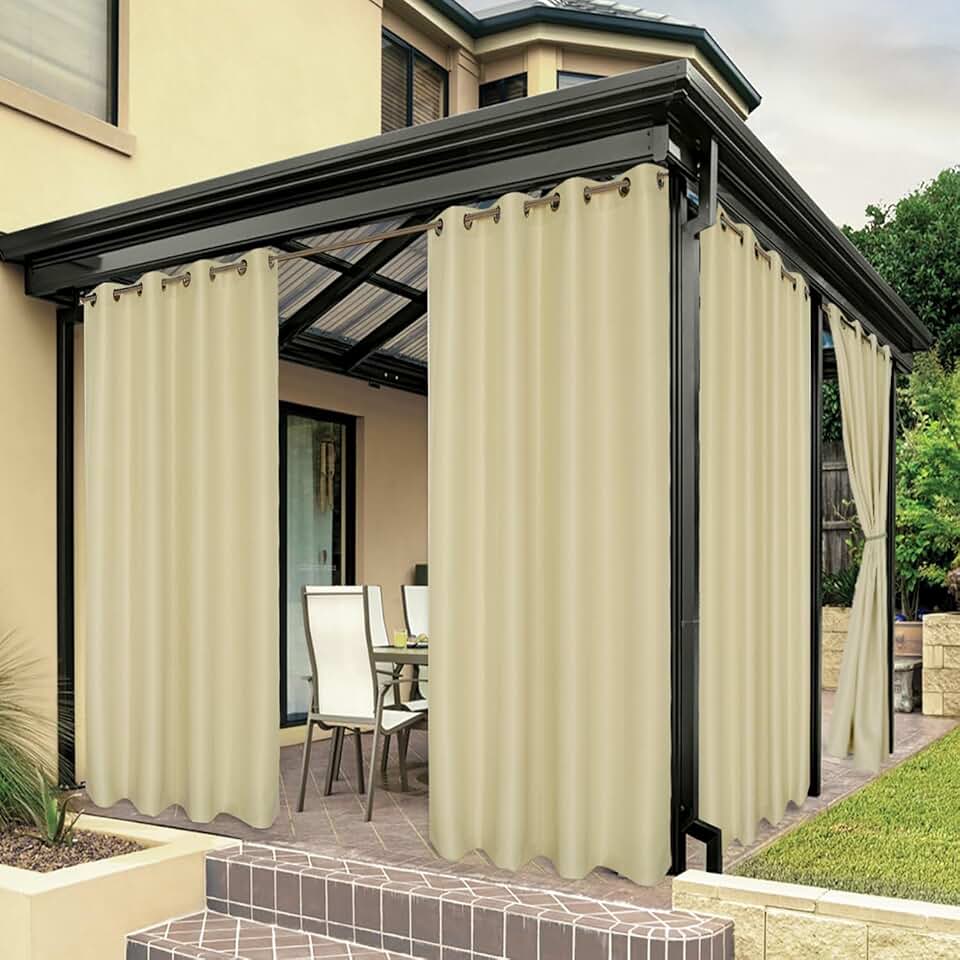
Weather-resistant curtains mounted on a simple pergola or tension rod allow for adjustable privacy. You can pull them shut for a secluded soak or slide them back to enjoy the view. Use heavy-duty polyester fabrics to prevent mildew and ensure the material is weighted at the bottom to stop wind from blowing them open. -
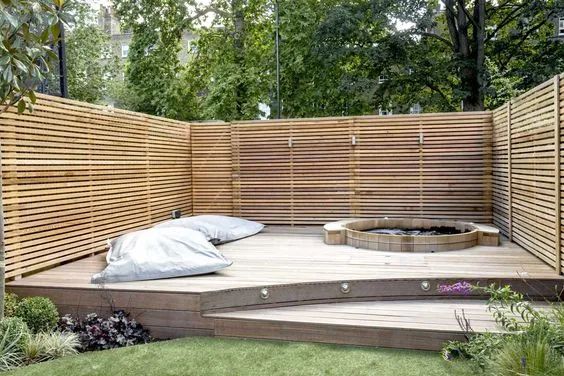
Slatted wooden screens
Horizontal cedar slats create a modern, architectural look while filtering light. By leaving small gaps between the boards, you maintain airflow and prevent the area from feeling claustrophobic. This design is particularly effective for blocking low-angle views from adjacent decks without completely cutting off the breeze in small yards. -
:max_bytes(150000):strip_icc()/2-205489044_240383157524708_5306855906970260698_n-7cca9b906bdc4024ab11e9b4f274f5d2.jpg)
Corner placement layout
Tucking the tub into a backyard corner utilizes existing perimeter fences to provide two walls of privacy automatically. This layout minimizes the amount of additional screening needed and maximizes open floor space. -
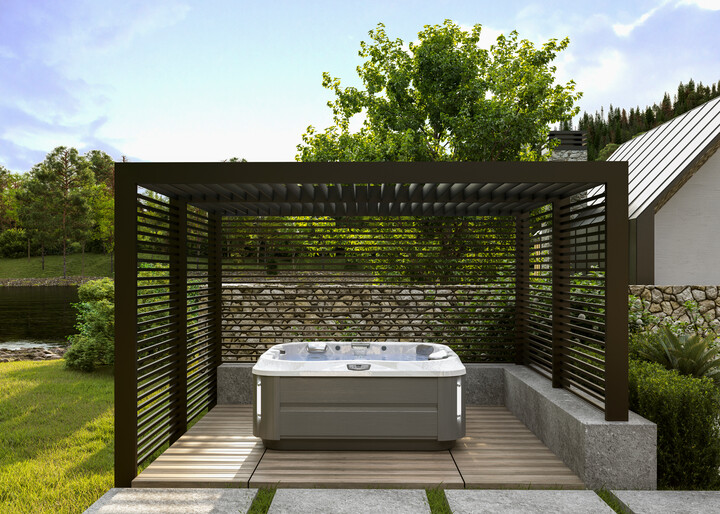
Artificial ivy trellis
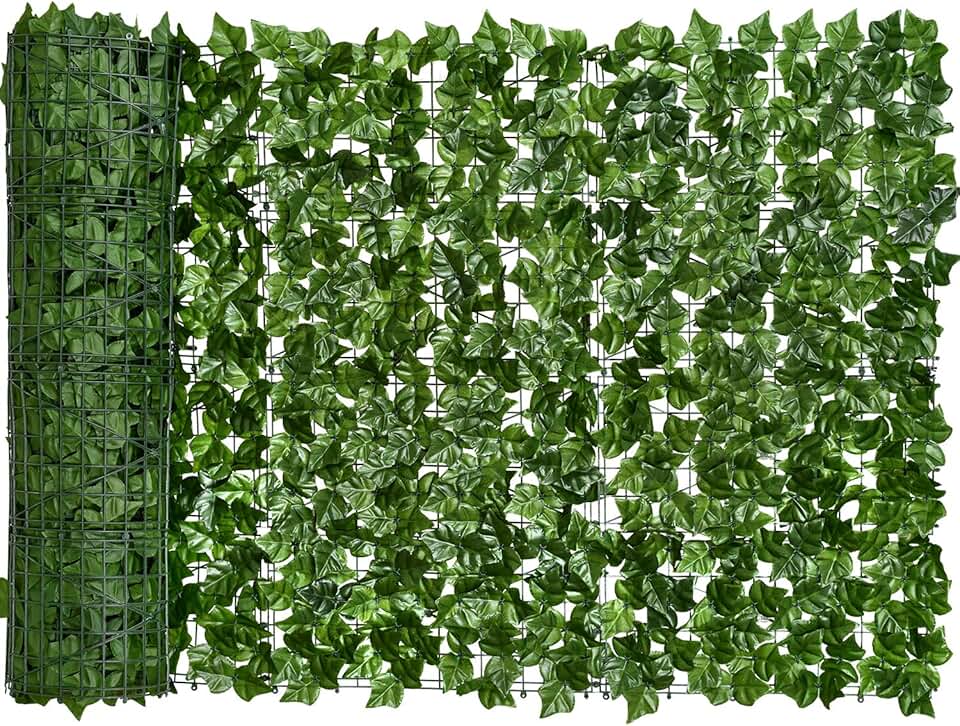
Synthetic ivy panels provide instant, year-round coverage without the watering requirements of real plants. These are ideal for small yards where soil depth is limited by concrete pads. Secure them to a lightweight metal frame to block direct sightlines from neighbors while adding a lush, green aesthetic to the spa area. -
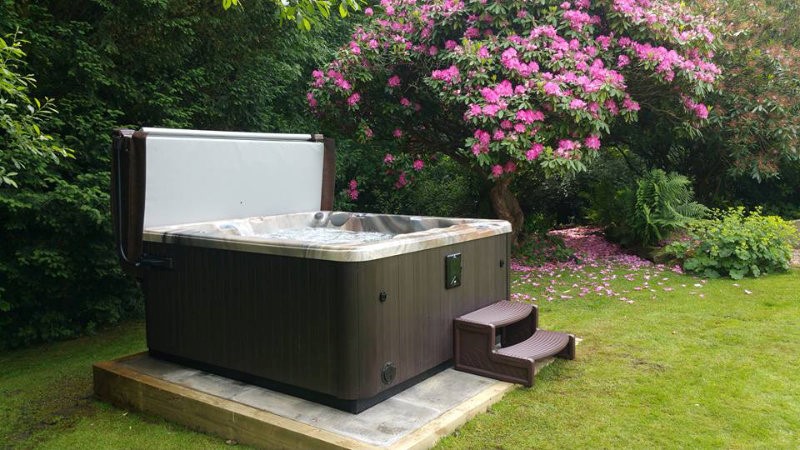
Frosted glass panels
Frosted glass offers a modern, architectural barrier that obscures views without blocking natural light. Unlike solid walls, these panels keep the space feeling open and airy. Use tempered safety glass to withstand the humidity and temperature fluctuations common around hot tubs, ensuring the installation remains durable and shatter-resistant. -
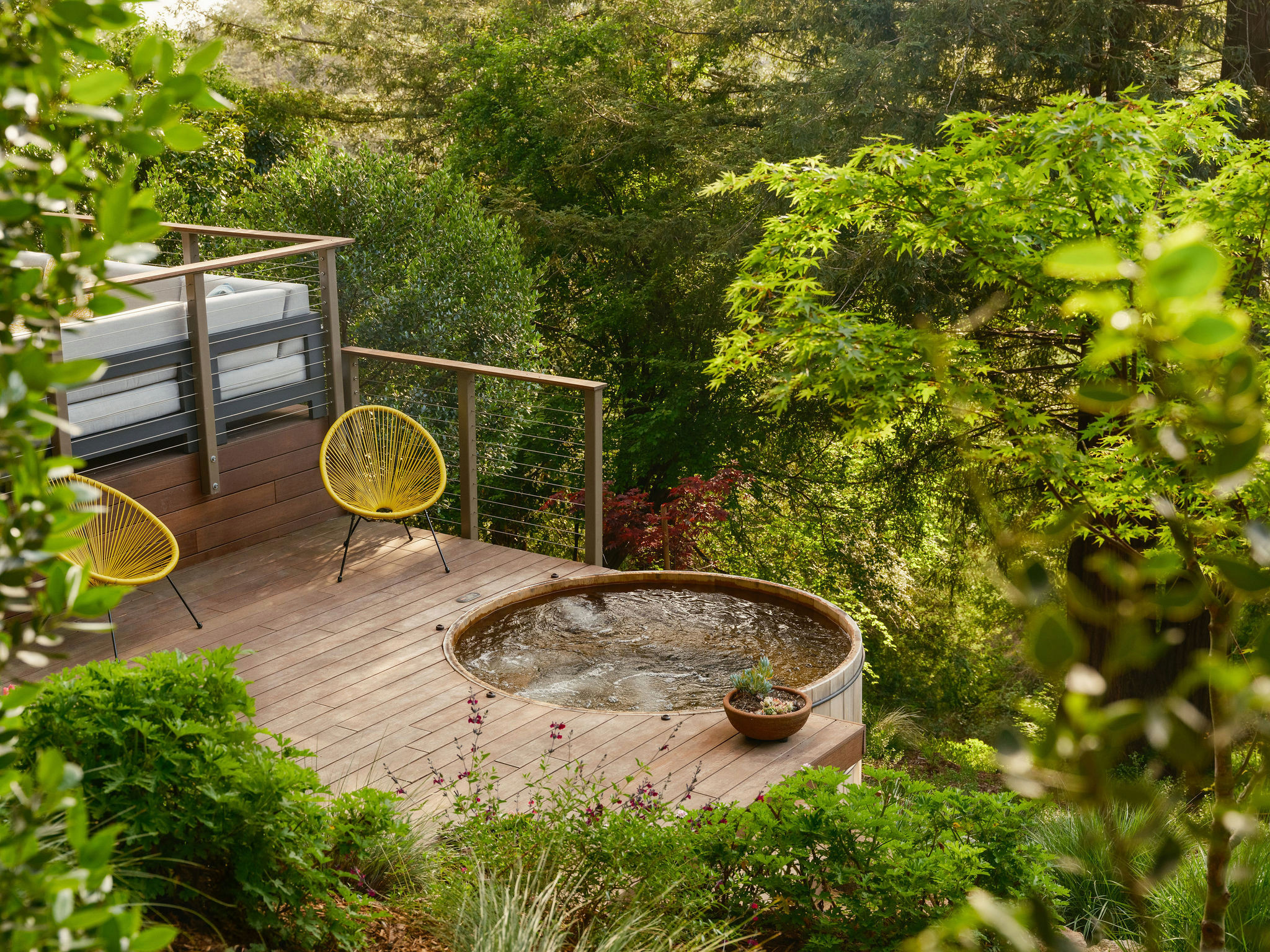
Ornamental grass borders
Planting Miscanthus or Fountain grass creates a soft, swaying perimeter that acts as a natural sound buffer. These grasses grow quickly to five or six feet, providing a dense visual screen. They are a low-maintenance alternative to traditional hedges, requiring only an annual trim every late winter. -
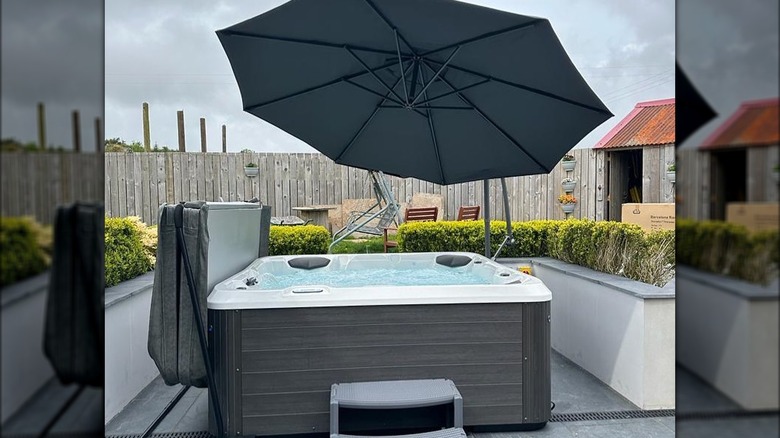
Retractable awning shades
Retractable shades provide flexible privacy that you can deploy only when needed. This is a smart choice for small yards where a permanent wall would feel claustrophobic. Choose UV-resistant fabric to protect bathers from the sun and overhead views from second-story windows in adjacent homes. -
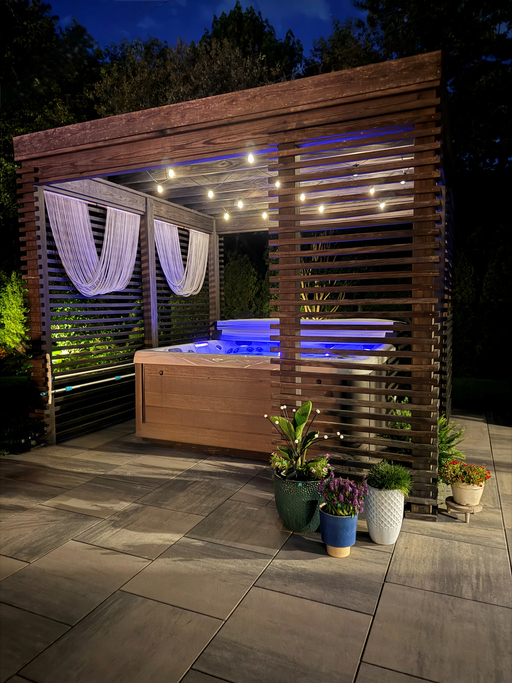
Pergola with climbing vines
Installing a pergola creates a defined "room" for your spa. By training climbing vines like jasmine or wisteria across the rafters and sides, you build a living canopy. This layout provides vertical privacy and a sense of enclosure, effectively masking the tub from the rest of the yard. -
:max_bytes(150000):strip_icc()/Stocksy_txp495874a8kmZ200_Medium_1475846-fc2c66bea587464c9dfb21eb87b70c46.jpg)
Composite privacy walls
Composite walls offer a waterproof alternative to cedar, preventing rot caused by hot tub steam and splashing. These interlocking panels create a solid visual barrier that requires zero sanding or staining. Because they are denser than wood, they also dampen the hum of the spa motor, making your small space feel more secluded. -

Strategic planter box placement
Positioning oversized rectangular planters around the tub creates a physical boundary without the need for permanent construction. Use tall, narrow boxes to maximize floor space while blocking sightlines from neighbors. This layout allows you to shift the privacy screen as your yard evolves or move the tub during future renovations.
How to choose
Selecting the right hot tub privacy ideas for small backyards depends on whether you need a permanent architectural boundary or a flexible, seasonal shield. A heavy wooden fence blocks sightlines completely but can make a small patio feel claustrophobic, while strategic plantings offer a softer, organic screen that blends into the landscape.
| Screen Type | Privacy Level | Install Effort |
|---|---|---|
| Living Walls | Medium | High |
| Slatted Wood | High | Medium |
| Retractable | Medium | Low |
As an Amazon Associate, we may earn from qualifying purchases.
Common questions
Finding the right hot tub privacy ideas for small backyards often comes down to balancing your local zoning laws with the physical constraints of your patio. While a full fence is the most secure option, many homeowners in tight quarters prefer modular or natural barriers that don't feel claustrophobic.
No comments yet. Be the first to share your thoughts!