

Backyard Bliss: Hot Tub Privacy in 2026
There’s something deeply appealing about soaking in a hot tub, especially when you can truly relax and disconnect. But let's be honest, most of us aren’t lucky enough to have complete seclusion in our backyards. Privacy is a big concern for hot tub owners, not just for comfort and peace of mind, but sometimes because of local ordinances. You want to enjoy your investment without feeling exposed – or getting a notice from the city.
Luckily, creating a private hot tub oasis doesn’t have to mean a massive renovation or breaking the bank. We’re looking ahead to 2026, and trends suggest we’ll continue to see a demand for natural-looking, multi-functional outdoor spaces that people can build themselves. This article will explore 15 creative hot tub privacy ideas, all achievable for under $500, so you can enjoy your soak in tranquility.
The goal isn't complete isolation, necessarily. It's about creating a defined space, a sense of enclosure, and a visual barrier that allows you to unwind. We'll cover everything from quick fixes to more involved projects, keeping budget and practicality in mind. Let's get started transforming your backyard into a relaxing retreat.
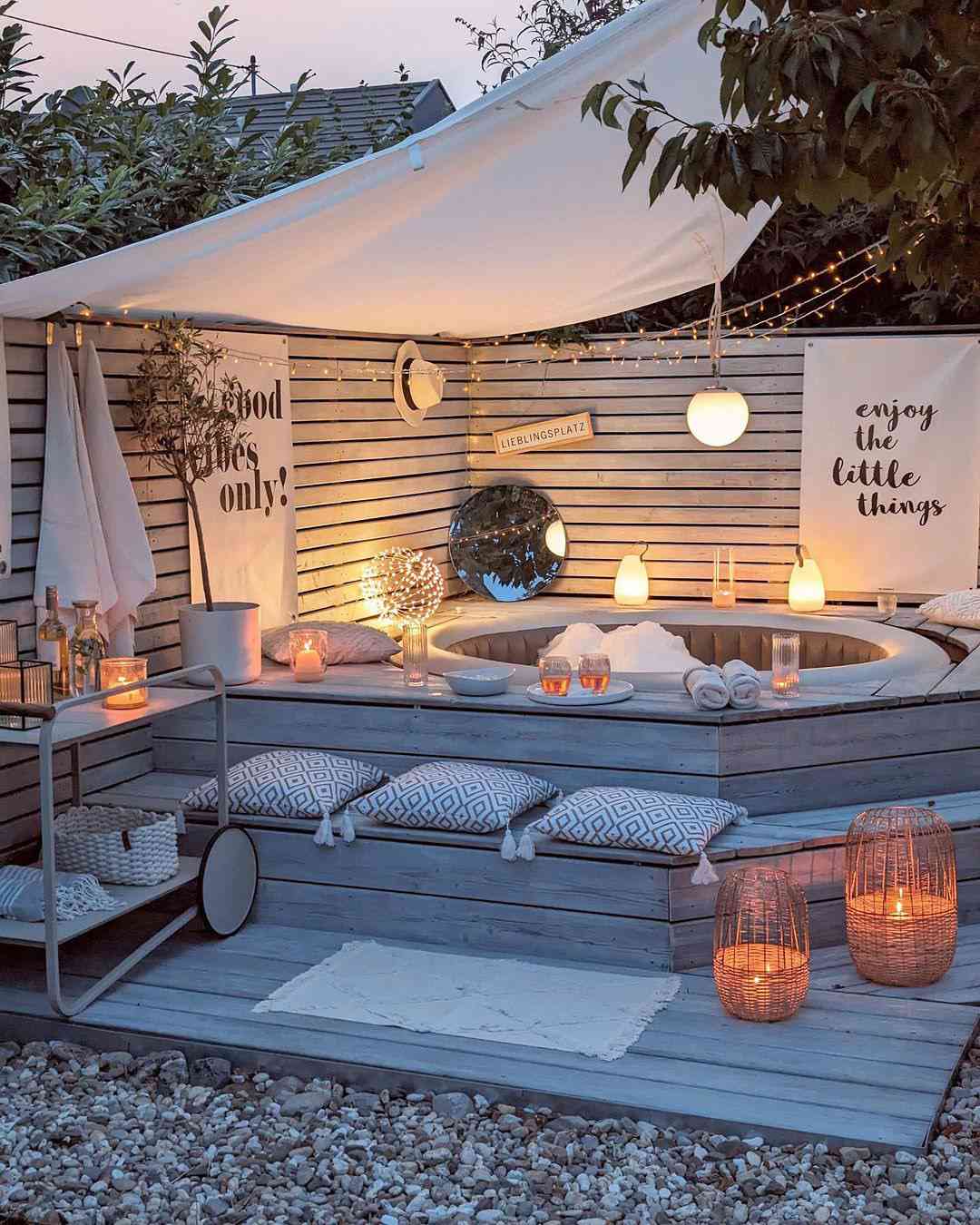
15 Privacy Ideas Under $500
Here are 15 ideas to boost your hot tub privacy, with estimated costs, difficulty levels, and a quick rundown of the pros and cons. Prices are estimates and will vary depending on your location and material choices.
1. Bamboo Screens: A classic for a reason. Bamboo is relatively inexpensive and provides a natural, tropical vibe. Cost: $50 - $200. Difficulty: DIY-friendly. Pros: Affordable, natural look, easy to install. Cons: Can be susceptible to weather damage, may require occasional replacement.
2. Fast-Growing Hedges: Planting a hedge is a long-term solution that offers excellent privacy. Arborvitae and Leyland Cypress are popular choices. Cost: $100 - $300 (for saplings). Difficulty: Moderate (planting requires some effort). Pros: Natural, long-lasting, provides a sound barrier. Cons: Takes time to grow, requires pruning.
3. Outdoor Curtains: A surprisingly effective and affordable option. Choose weather-resistant fabrics. Cost: $50 - $150. Difficulty: DIY-friendly. Pros: Inexpensive, easy to install, adds a soft touch. Cons: May not provide complete privacy, susceptible to wind.
4. Repurposed Pallets: A budget-friendly and eco-friendly option. You can build a simple screen or even a partial enclosure. Cost: $0 - $100 (depending on pallet source). Difficulty: DIY-friendly (some woodworking skills needed). Pros: Affordable, sustainable, rustic look. Cons: Requires sanding and treatment to prevent splinters, can be bulky.
5. Lattice Panels: Easy to install and provide a semi-private barrier. Can be combined with climbing plants for added privacy. Cost: $75 - $250. Difficulty: DIY-friendly. Pros: Affordable, versatile, allows for airflow. Cons: Doesn’t provide complete privacy.
6. DIY Planters with Tall Plants: Use large planters filled with ornamental grasses, bamboo, or other tall plants to create a living screen. Cost: $100 - $300. Difficulty: DIY-friendly. Pros: Natural, adds greenery, can be moved. Cons: Requires regular watering and maintenance.
7. Shade Sails: Provide shade and a degree of privacy. Choose a color that complements your backyard. Cost: $80 - $200. Difficulty: DIY-friendly. Pros: Affordable, easy to install, provides shade. Cons: Doesn’t offer complete privacy.
8. Freestanding Trellises: Perfect for supporting climbing plants like clematis or wisteria. Cost: $50 - $150. Difficulty: DIY-friendly. Pros: Affordable, versatile, adds visual interest. Cons: Requires plants to grow to provide privacy.
9. Strategically Placed Trees: If you have the space, planting trees can provide excellent privacy over time. Cost: $50 - $200 per tree. Difficulty: Moderate (planting requires some effort). Pros: Natural, long-lasting, provides shade. Cons: Takes time to grow, requires maintenance.
10. Decorative Fencing: A more permanent solution, but can still be affordable. Consider using pre-fabricated fence panels. Cost: $200 - $500. Difficulty: Moderate to Professional. Pros: Provides excellent privacy, adds value to your property. Cons: More expensive than other options, may require permits.
11. Outdoor Rugs: Define the hot tub area and create a more intimate space. Cost: $30 - $100. Difficulty: DIY-friendly. Pros: Inexpensive, easy to implement, adds comfort. Cons: Doesn't offer much privacy on its own.
12. String Lights: Create a warm and inviting atmosphere, which can indirectly enhance privacy by making the space feel more secluded. Cost: $20 - $80. Difficulty: DIY-friendly. Pros: Affordable, easy to install, creates ambiance. Cons: Doesn't offer actual privacy.
13. Temporary Privacy Screens: Great for renters or those who want a portable solution. Think freestanding fabric screens. Cost: $50 - $150. Difficulty: DIY-friendly. Pros: Portable, affordable, easy to set up. Cons: May not be very durable.
14. Upcycled Window Frames: Create a unique privacy screen by repurposing old window frames. Cost: $0 - $100 (depending on frame source). Difficulty: Moderate (requires some DIY skills). Pros: Unique, sustainable, affordable. Cons: Requires effort to clean and assemble.
15. Painted Cinder Blocks: Stack and paint cinder blocks to create a rustic privacy wall. Cost: $50 - $150. Difficulty: DIY-friendly. Pros: Affordable, durable, customizable. Cons: Can look industrial if not painted.
Featured Products

4 x 10 ft dimensions · 85% shade coverage · Natural reed material
Provides natural, attractive privacy and shade for your hot tub area.

Waterproof and thermal insulated · 100% blackout for privacy · Linen textured fabric
Offers adjustable, complete privacy and weather protection for your hot tub enclosure.

6 ft x 50 ft dimensions · Heavy-duty fencing mesh · Provides shade and privacy
A cost-effective and durable solution for creating a solid privacy barrier around your hot tub.

50FT length with 25 G40 bulbs · Shatterproof and IP65 waterproof · Dimmable and connectable
Enhances the mood and visual appeal of your hot tub area with warm, inviting lighting.
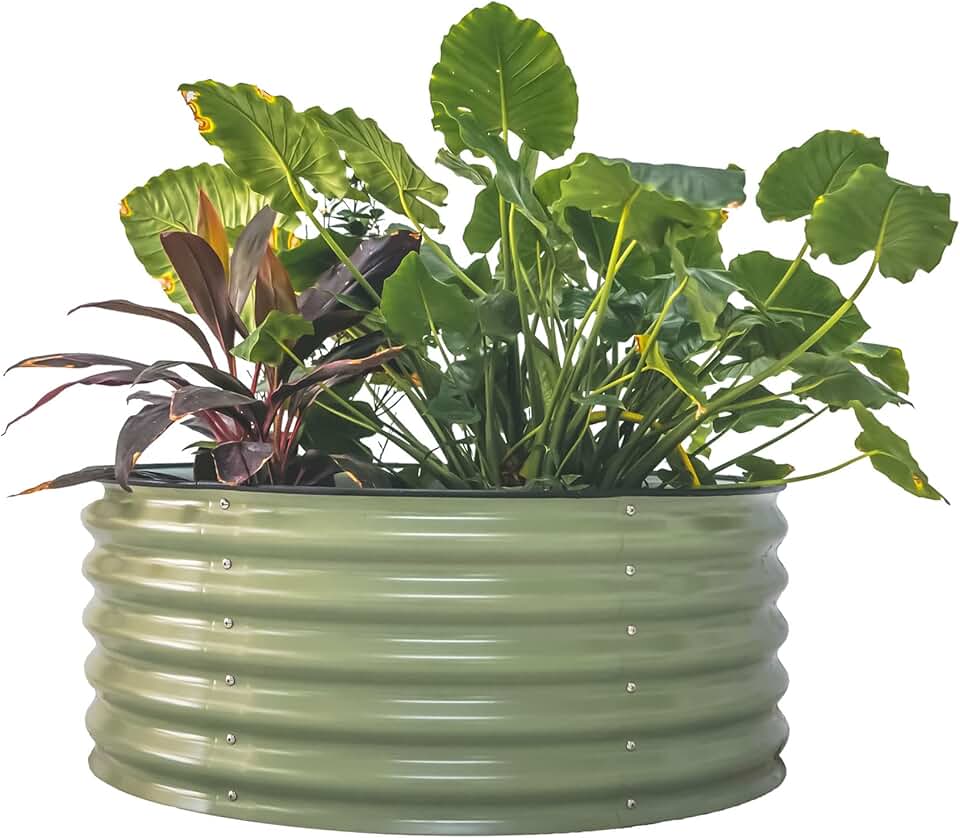
17" height, 42" round diameter · Durable metal construction · Suitable for vegetables and flowers
Incorporates greenery and a modern aesthetic, serving as a natural privacy element when planted.
As an Amazon Associate I earn from qualifying purchases. Prices may vary.
Material Choices: Balancing Cost & Style
Choosing the right materials is key to achieving both privacy and the aesthetic you desire. Bamboo is a cost-effective choice, quickly establishing a natural screen, but it needs regular treatment to resist weathering and insect damage. Wood, like cedar or redwood, offers a classic look and can be treated for durability, but it’s generally more expensive than bamboo.
Metal, such as wrought iron or aluminum, provides a modern aesthetic and is very durable, but it can get hot in direct sunlight. Fabric options, like outdoor curtains or shade sails, are the most affordable but also the least durable and offer the least amount of long-term privacy. Consider how the material will age and blend with your existing backyard landscape.
Timbertech.com offers a great resource for comparing decking materials, which can inspire your privacy screen designs. Their comparisons demonstrate how different materials hold up to the elements and how their color palettes can complement each other. While decking might be beyond the $500 budget for a full project, the visual inspiration is valuable.
Landscaping for Seclusion
Landscaping is arguably the most effective long-term privacy solution. Think beyond a single row of shrubs; layering plants creates a more substantial and natural barrier. Start with taller trees or shrubs in the back, then add medium-sized bushes, and finally, ground cover or ornamental grasses in the front.
Creating a 'living wall' effect with climbing plants on a trellis or fence is another excellent option. Consider plants like clematis, honeysuckle, or ivy. Remember to choose plants that are appropriate for your climate and soil conditions. Native plants are often the easiest to maintain and provide benefits to local wildlife.
Pay attention to plant heights and growth rates. Some trees and shrubs can grow very large, potentially overshadowing your hot tub or encroaching on property lines. Research the mature size of any plant before you buy it. Regular pruning will also be necessary to maintain your desired level of privacy.
DIY vs. Professional Installation
Be realistic about your skills and comfort level. Simple projects like installing bamboo screens or hanging outdoor curtains are perfect for DIYers. More complex projects, like building a fence or installing electrical wiring for lighting, are best left to the professionals. Building a structurally sound lattice screen might require more carpentry experience than you have.
Professional installation ensures that the project is done safely and correctly, and it can save you time and frustration. However, it will also add to the cost. A simple lattice screen installation might cost $200-$500, while a fence installation could easily run into the thousands.
Before starting any project, check your local building codes and HOA regulations to see if a permit is required. Failure to comply with regulations could result in fines or legal issues.
- DIY Projects: Bamboo screens, outdoor curtains, pallet screens, planters with plants.
- Professional Projects: Fence installation, electrical work, complex landscaping.
Local Regulations & Permits
This is a crucial step that many people overlook. Before you start building anything, check with your local city or county planning department to see if a permit is required. Regulations vary widely depending on your location and the type of project you’re undertaking.
Some areas have restrictions on fence heights, setback requirements (how far a structure must be from property lines), and even the types of materials you can use. HOAs often have their own set of rules and regulations that you must comply with. Ignoring these rules can lead to fines, legal issues, or even being forced to dismantle your privacy screen.
A quick phone call or visit to your local planning department can save you a lot of headaches down the road. Many cities and counties also have their regulations available online.
Privacy Standouts: Worth a Closer Look
Out of the 15 ideas, three really stand out for their balance of cost, effectiveness, and ease of implementation: bamboo screens, repurposed pallet screens, and DIY planters with tall plants. Let’s dive a bit deeper into each of these.
Pallet Privacy Screen (DIY): This is a fantastic option for those on a tight budget. You’ll need approximately 6-8 pallets (often available for free from local businesses), sandpaper, exterior wood stain or paint, and screws. Sand the pallets thoroughly to remove splinters. Assemble the pallets into a screen, securing them with screws. Apply stain or paint to protect the wood and enhance its appearance. Estimated Cost: $30-$80. Difficulty: Moderate.
Bamboo Screen: A pre-made bamboo screen is easy to install. Simply attach it to existing posts or build a simple frame. For a more custom look, you can purchase bamboo poles and create your own screen. Estimated Cost: $75 - $200. Difficulty: Easy.
DIY Planters with Tall Plants: Use large, attractive planters and fill them with fast-growing plants like ornamental grasses or bamboo. This adds a natural element to your backyard and provides a visual barrier. Consider using a mix of plants for added texture and interest. Estimated Cost: $150 - $300. Difficulty: Easy.
Maintaining Your Private Oasis
Creating your private hot tub space is just the first step. Regular maintenance is essential to keep it looking its best. Hedges need annual pruning, wood structures need staining or sealing, and fabric curtains need occasional cleaning. Protect your privacy structures from the elements to extend their lifespan.
For more information on hot tub maintenance, including water chemistry and cleaning tips, visit the Hot Tub Info resources section. A well-maintained hot tub and surrounding privacy features will provide years of relaxation and enjoyment.
No comments yet. Be the first to share your thoughts!