

The Evolving Hot Tub
Hot tubs have come a long way from the simple wooden tubs heated by fires. For decades, they were a luxury item, requiring significant upkeep and offering limited automation. Now, we’re seeing a shift towards increasingly connected and automated experiences, driven by advancements in smart home technology and a desire for convenience.
Early attempts at hot tub automation focused on basic timers and temperature controls. Today, those are almost standard. The real change is happening now, with the integration of smart devices, mobile apps, and increasingly, artificial intelligence. This isn't just about convenience; it's about optimizing the entire hot tub experience.
Intex and Coleman have played a significant role in democratizing access to hot tubs. Their inflatable models offer an affordable entry point for consumers who might have been priced out of the traditional market. As smart tub technology matures, we can expect these brands to be at the forefront of bringing those features to a wider audience. They’re proving that a relaxing soak doesn’t have to break the bank.
By 2026, the expectation won't be if a hot tub is connected, but how well it’s connected. The baseline will be remote control and monitoring, but the real advancements will be in proactive features – those that anticipate your needs and adjust settings automatically.
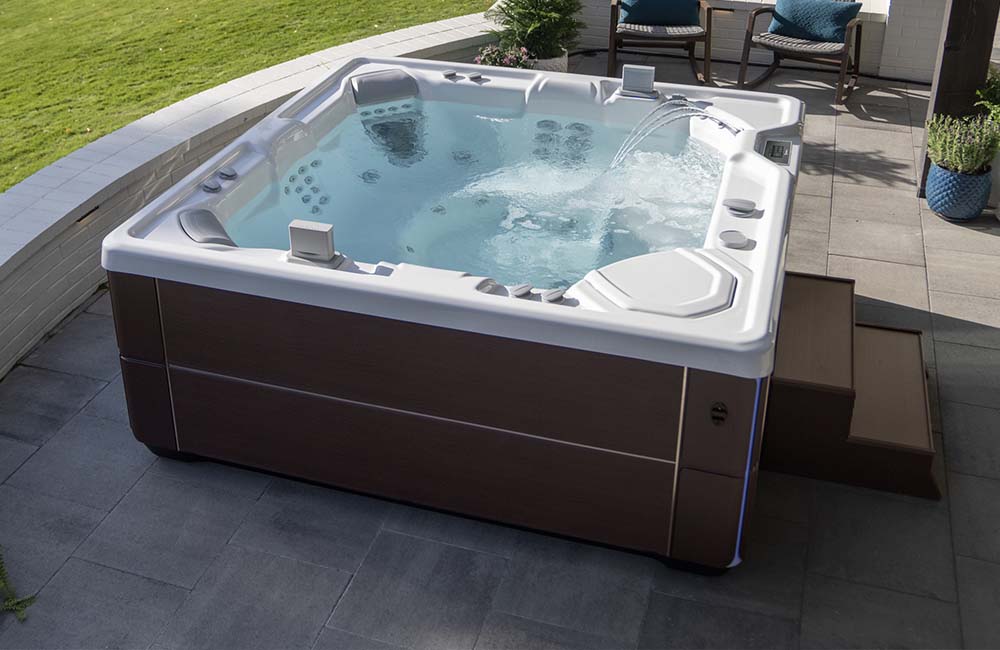
AI Temperature Control: Beyond Schedules
Current programmable thermostats are, frankly, limited. They operate on fixed schedules, ignoring real-world factors like weather changes or how many people are using the tub. AI-powered temperature control will move beyond these limitations, offering a truly dynamic and responsive experience.
The core of this technology lies in predictive heating. An AI system will analyze historical data – user preferences, local weather patterns, even the time of day – to anticipate when the hot tub needs to be heated. It's not just about reaching a target temperature; it’s about maintaining that temperature efficiently.
Imagine a system that knows you typically use the hot tub after work on weekdays, but prefer a cooler temperature after a workout. It will learn these preferences over time, automatically adjusting the temperature to your liking. It could also factor in an unexpected cold snap, pre-heating the water to ensure it’s ready when you are.
A key benefit will be energy savings. By only heating the water when needed, and optimizing the heating process, AI can significantly reduce energy consumption. Some manufacturers are already touting potential savings of up to 20-30%, and I think those numbers are realistic. The system could even take into account electricity pricing, heating up when rates are lowest.
Consider the impact of multiple bathers. Current systems often struggle to maintain temperature when several people enter the tub. An AI system could detect the increased thermal load and automatically adjust the heater to compensate, ensuring a consistently comfortable experience. This requires sophisticated sensors and algorithms, but the payoff is a much more enjoyable soak.
App Integration: The Central Hub
The mobile app will be the central hub for controlling and monitoring your smart hot tub. In 2026, we can expect a suite of standard features that go far beyond simple temperature adjustment. Remote control will be table stakes, but the real value will be in the granular control and monitoring capabilities.
Beyond temperature, expect to be able to control jet intensity, lighting customization, and even sound systems directly from your smartphone. You’ll also receive real-time status updates on filter condition, water chemistry, and potential maintenance needs. It’s about having complete visibility and control, no matter where you are.
Integration with other smart home ecosystems – Amazon Alexa, Google Assistant, and Apple HomeKit – will be crucial. Being able to say “Alexa, heat the hot tub to 102 degrees” or set up automated routines (e.g., “When I get home from work, start heating the hot tub”) will be a key selling point.
Intex and Coleman will likely approach app integration with a tiered system. Entry-level models might offer basic temperature and jet control, while premium models will unlock advanced features like AI-powered temperature control, automated chemical monitoring, and integration with smart home ecosystems. They’ll need to balance functionality with cost to remain competitive.
Coleman, in particular, is positioned to leverage its existing smart home integrations through its outdoor product line. We might see a unified app that controls not only the hot tub, but also inflatable pools, grills, and other outdoor devices.
- Remote temperature adjustment
- Jet control
- Lighting customization
- Filter status monitoring
- Chemical level monitoring
Automated Maintenance: Less Work, More Soak
Maintenance is often the least enjoyable part of hot tub ownership. Smart technology is poised to alleviate much of that burden, automating tasks like chemical balancing and filter cleaning. We’re moving towards a "set it and forget it" approach to hot tub maintenance.
Automated chemical dispensing systems will be commonplace. These systems will continuously monitor water chemistry and automatically add the appropriate chemicals to maintain a safe and balanced environment. This eliminates the guesswork and potential for human error, and ensures consistent water quality. I expect to see systems that can handle chlorine, bromine, and pH balancing.
Self-cleaning filters, utilizing automated backwashing or cartridge rinsing systems, will also become more prevalent. These systems will remove debris and contaminants, extending the life of the filter and reducing the frequency of manual cleaning. Some systems might even incorporate UV or ozone sanitization for enhanced water purification.
Perhaps even more exciting is the potential for predictive maintenance. By analyzing data from sensors, the system could identify potential issues – a failing pump, a leaking heater – before they become major problems. This allows for proactive repairs, minimizing downtime and preventing costly damage.
Integration with local water quality data is a possibility. The system could access information about rainfall, mineral content, and other factors that affect water chemistry, adjusting chemical dispensing accordingly. This would require partnerships with local water authorities, but could further optimize maintenance routines.
Intex & Coleman: Bridging the Gap
Integrating advanced AI and smart features into inflatable hot tubs presents unique challenges. Traditional hot tubs have dedicated equipment compartments and robust plumbing systems. Inflatable models are, by necessity, more compact and rely on simpler designs.
Given their price point, Intex and Coleman will likely focus on delivering core smart features – app control, automated heating, and basic water quality monitoring – without necessarily replicating all the bells and whistles of high-end models. A scaled approach is the most likely scenario.
We might see entry-level models with simple app control for temperature and jet adjustment, while mid-range models add automated chemical monitoring and integration with voice assistants. Premium models could incorporate AI-powered temperature control and predictive maintenance features.
The challenge lies in miniaturizing the necessary sensors and control systems to fit within the inflatable structure. Wireless connectivity will be crucial, as running wires through an inflatable tub is impractical. Battery life will also be a key consideration, as frequent battery replacements would be inconvenient.
I anticipate that Intex and Coleman will leverage their existing manufacturing expertise and supply chains to keep costs down. They’ll focus on delivering value by offering a compelling set of smart features at an affordable price point, making the benefits of connected hot tubs accessible to a wider range of consumers.
Data Privacy and Security Concerns
The increased connectivity of smart hot tubs raises legitimate concerns about data privacy and security. These devices collect a significant amount of data – usage patterns, water chemistry readings, even location information – which could be vulnerable to unauthorized access.
Manufacturers need to be transparent about their data collection practices and obtain explicit consent from users. Data should be encrypted both in transit and at rest, and access should be restricted to authorized personnel. Strong authentication protocols are essential to prevent unauthorized access to the hot tub’s controls.
The potential for hacking is a real threat. A compromised hot tub could be remotely controlled, potentially leading to safety hazards or privacy violations. Regular security updates are crucial to patch vulnerabilities and protect against emerging threats. Users should also be encouraged to change default passwords and enable two-factor authentication.
Privacy policies should clearly outline how user data is collected, used, and shared. Users should have the right to access, correct, and delete their data. Compliance with relevant data privacy regulations, such as GDPR and CCPA, is essential.
There is a risk, however small, of remote control being hijacked. While manufacturers will implement safeguards, determined hackers may find ways around them. Users should be aware of this risk and take steps to protect their privacy and security.
Troubleshooting and Remote Support
Smart technology will revolutionize troubleshooting and remote support for hot tubs. Gone are the days of lengthy phone calls and frustrating attempts to diagnose problems over the phone. Remote diagnostics will allow technicians to identify issues quickly and accurately.
The hot tub’s system will automatically report error codes and diagnostic data to the manufacturer or a designated service provider. Technicians can then remotely analyze this data to pinpoint the problem and determine the best course of action. This can significantly reduce repair times and minimize downtime.
Automated error reporting will also empower users to self-diagnose minor issues. The app might provide step-by-step instructions for resolving common problems, such as low water flow or cloudy water. This can save users time and money.
AI-powered chatbots could be used to provide 24/7 customer support. These chatbots could answer frequently asked questions, guide users through troubleshooting steps, and even schedule service appointments. They won’t replace human technicians entirely, but they can handle a large volume of routine inquiries.
This shift towards remote diagnostics and automated support will likely reduce the need for on-site service calls for minor issues. However, skilled local hot tub repair services will still be essential for complex repairs and maintenance tasks. The role may evolve from reactive repairs to proactive maintenance and system optimization.
Future Trends: Beyond 2026
Looking beyond 2026, the possibilities for smart hot tub technology are truly exciting. We’re likely to see a convergence of hot tubs with health and wellness tracking devices, creating personalized hydrotherapy experiences.
Imagine a hot tub that adjusts the temperature and jet intensity based on your heart rate, stress levels, or muscle soreness. Integration with wearable sensors could provide real-time biometric data, allowing the system to tailor the experience to your individual needs. Personalized hydrotherapy programs, designed by experts, could be downloaded and customized.
Virtual reality experiences within the hot tub are also a possibility. A waterproof VR headset could transport you to a tropical beach, a serene forest, or any other immersive environment, enhancing the relaxation and escapism of the soak.
Energy grid integration and demand response programs could become commonplace. Hot tubs could automatically reduce their energy consumption during peak demand periods, helping to stabilize the grid and lower energy costs. This would require smart grid infrastructure and communication protocols.
The widespread adoption of 5G and edge computing will enable faster data transfer and more sophisticated AI processing. This will unlock new possibilities for real-time monitoring, predictive maintenance, and personalized experiences. The future of hot tubs is about more than just relaxation; it’s about optimizing your well-being and seamlessly integrating into your connected lifestyle.



No comments yet. Be the first to share your thoughts!