


Why switch to salt water sanitation
Switching to a salt water hot tub system transforms the soaking experience by generating chlorine on-site through electrolysis. This process means you still get effectively sanitized water, but you avoid the hassle and harshness of handling traditional chemical buckets. The core salt water hot tub benefits revolve around comfort, convenience, and a more natural water chemistry.
Gentler on Skin and Eyes
Traditional chlorine and bromine can strip natural oils from your body, leading to dry skin, itchy eyes, and irritated hair. Salt systems produce a softer, more balanced water environment. According to Arctic Spas, the sodium in salt-water hot tubs actively softens water, providing a more natural and less harsh environment for your skin, eyes, and hair. This gentle touch makes long soaks feel less like a chemical exposure and more like a relaxing spa treatment.
Reduced Odor and Irritation
One of the most immediate differences you will notice is the smell. Traditional chlorinated water often carries a strong, pungent odor that can linger in the air and on your skin. Salt systems produce a cleaner, more neutral scent. Great Atlantic Inc. notes that the water "smells and feels better," eliminating the harsh chemical tang associated with manual dosing. This makes the area around your hot tub more pleasant for guests and neighbors alike.
Simplified Maintenance
Manual chemical testing and dosing can be a tedious weekly chore. Salt systems automate much of this process. Once you add the initial salt load, the system continuously generates chlorine as needed, maintaining consistent sanitizer levels. This simplifies maintenance by reducing the frequency of manual checks and the need to store and handle hazardous chemicals. You simply monitor the salt level occasionally and let the system do the work.
Softer, Buoyant Water
Beyond the practical benefits, salt water feels noticeably different. The dissolved salts increase the water's density, creating a slightly buoyant, silky feel against your skin. This "soft, buoyant soaking experience" described by industry experts adds a layer of physical comfort that traditional chlorine water often lacks. It’s a subtle difference, but one that enhances the overall relaxation of your hot tub sessions.
Top salt water hot tub systems
Salt water hot tubs rely on a salt chlorine generator (SCG) to convert dissolved salt into sanitizing chlorine. The quality of this system determines how clear the water stays and how much maintenance you actually perform. Below are five reliable salt generator kits and systems that handle the core chemistry for residential spas.
Best overall: Jandy JZTSCG4 Salt Chlorine Generator
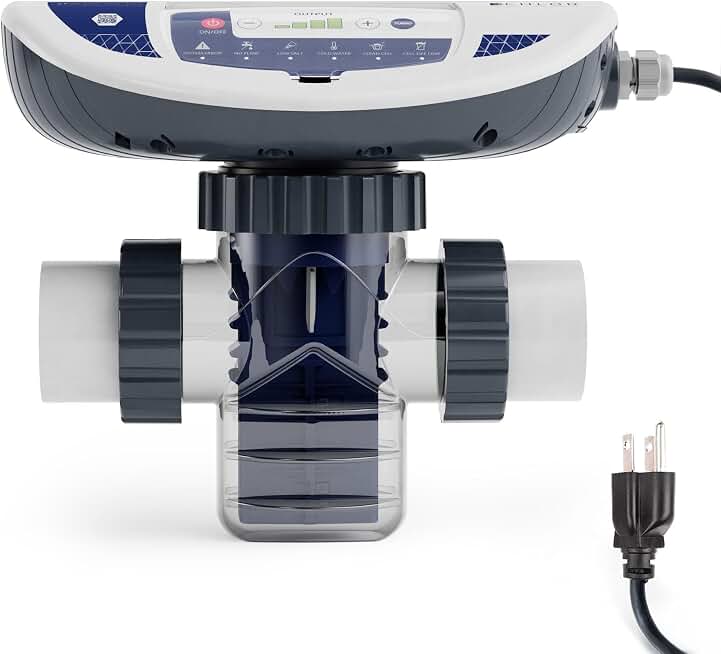
The Jandy JZTSCG4 is a widely compatible system that integrates with many major hot tub brands. It uses a titanium cell to produce chlorine from salt, maintaining consistent sanitation levels without the strong chemical smell of traditional tablets. The unit features a simple interface for adjusting output levels, making it easy to keep your hot tub water balanced with minimal effort.
Best for easy installation: AquaRite T-CELL Salt Chlorine Generator
Designed for straightforward integration, the AquaRite system is often chosen for its robust construction and reliable performance. It connects directly to the hot tub’s control panel, allowing the system to automatically adjust chlorine production based on water flow and temperature. This automation reduces the need for manual testing and adjustment, supporting a more relaxed maintenance routine.
Best compact option: Hayward WYSALT Salt Chlorinator
The Hayward WYSALT is a compact unit ideal for smaller spas or those with limited equipment bay space. It delivers effective sanitization without taking up excessive room, making it a practical choice for retrofits. The system includes a durable cell that resists scaling, ensuring long-term performance even in areas with hard water.
Best for high-usage spas: Pentair 520554 Intellichlor IC40 Salt Chlorine Generator
For hot tubs that see frequent use, the Pentair IC40 provides higher chlorine output to handle increased organic load. It features an IntelliCharge technology that optimizes chlorine production, reducing energy consumption while maintaining water clarity. This system is built for durability, with a corrosion-resistant housing that withstands outdoor conditions.
Best budget-friendly kit: Jabo Salt Chlorine Generator
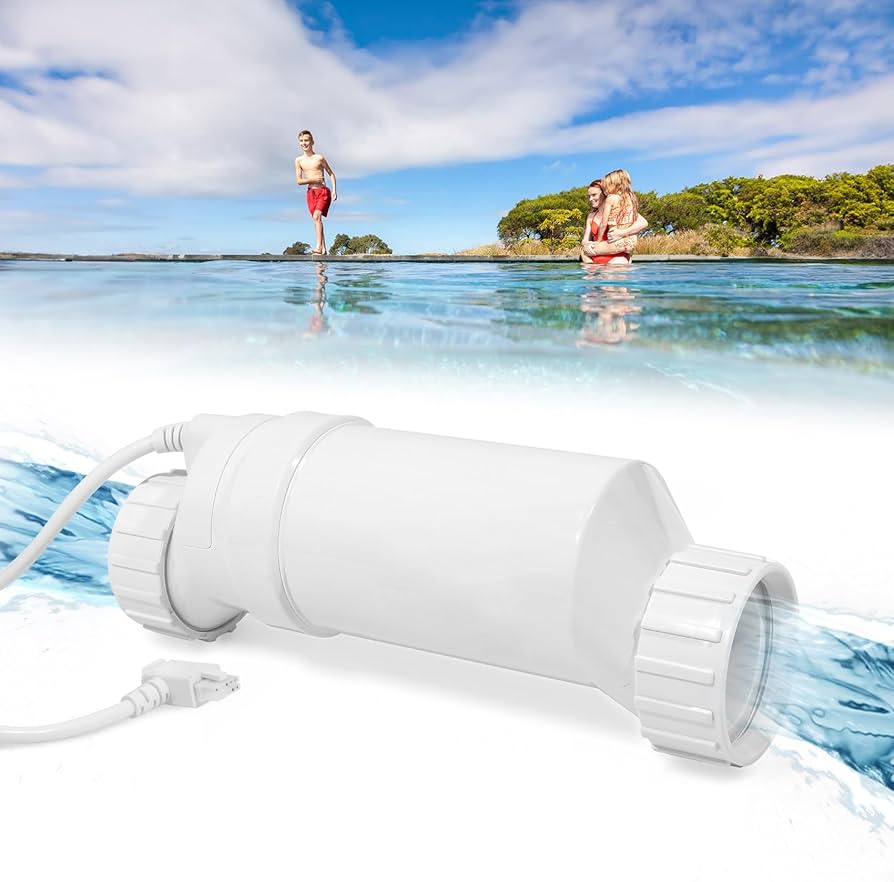
The Jabo Salt Chlorine Generator offers a cost-effective entry point into salt water sanitization. It provides basic functionality for converting salt to chlorine, making it suitable for users who want to experience the benefits of salt water without a high upfront cost. While simpler than premium models, it still delivers consistent sanitation for regular home use.



As an Amazon Associate, we may earn from qualifying purchases.
Essential accessories for salt systems
A salt water hot tub benefits package isn’t complete without the right maintenance gear. While the salt chlorinator does the heavy lifting of sanitizing your water, these accessories ensure the system runs efficiently and your spa stays crystal clear. Think of them as the support crew for your primary sanitizer—without them, even the best salt system can struggle.
Start with high-quality test strips or a liquid test kit. Salt systems generate chlorine automatically, but you still need to monitor pH and alkalinity levels. If the water chemistry is off, the salt cell won’t work effectively, and you might end up adding harsh chemicals anyway. Keep a pack of spa test strips in a dry place near your tub for quick weekly checks.
Replacement salt cells are the most significant long-term cost of ownership. Most cells last between one and three years, depending on water balance and usage. Buying a compatible replacement cell early ensures you won’t be stuck with cloudy water when yours fails. Check your model number before purchasing to ensure a perfect fit.
A solid insulated cover is non-negotiable. It retains heat, reduces evaporation, and keeps debris out of your salt system. Debris can clog the filter and interfere with the chlorinator’s sensor, leading to inefficient operation. A well-fitted cover also reduces the workload on your heater, saving energy and extending the life of your entire system.


As an Amazon Associate, we may earn from qualifying purchases.
Maintenance and privacy upgrades
Owning a salt water hot tub requires less daily effort than traditional chlorine systems, but it still needs regular attention to keep the water clear and the equipment running. Because salt cells generate chlorine on demand, you avoid handling harsh chemicals, yet the mineral balance still drifts over time. A monthly salt system maintenance checklist helps catch issues before they affect your health or the tub’s finish.
Keep the salt cell clean
The salt cell is the heart of your system. Every few weeks, inspect the cell for calcium buildup, which can reduce chlorine production efficiency. A simple vinegar soak usually dissolves the deposits, restoring performance without damaging the plates. Pair this with testing your salt levels to ensure they stay within the manufacturer’s recommended range, typically between 2,500 and 3,500 ppm. This routine keeps the water gentle on your skin while preventing corrosion to internal components.
Change the water regularly
Even with a salt system, minerals and contaminants accumulate. Most experts recommend draining and refilling your tub every three to four months, depending on usage. If you notice cloudy water or persistent odors despite balanced chemicals, it’s time for a full change. This practice ensures the salt water hot tub benefits remain consistent, providing a spa-like experience without the chemical sting of traditional pools.
Add privacy and comfort
Privacy transforms a hot tub from a simple soak into a personal sanctuary. Consider installing a privacy screen or lattice around the perimeter to block views from neighbors or passersby. This not only enhances relaxation but also helps retain heat, reducing energy costs. For a more open feel, tall ornamental grasses or bamboo canes offer natural screening that blends with outdoor aesthetics. Combining these upgrades with a high-quality insulated cover ensures your investment stays protected and inviting year-round.


As an Amazon Associate, we may earn from qualifying purchases.
Common salt tub: what to check next
Are saltwater hot tubs healthier? Salt water hot tub benefits often center on gentler skin and eye contact. The chlorine generated from salt is softer than traditional chlorination, which can reduce dryness and irritation for sensitive users. While soaking in a hot tub provides general health perks like muscle relaxation and improved sleep, the salt system makes the experience more comfortable for longer sessions.
How often should you change the water? Even with a salt system, you should drain and refill your tub every three to four months. Salt does not eliminate the need for water maintenance; it only simplifies the chemical balance. Regular water changes prevent the buildup of contaminants that the system cannot filter out.
Do you have to shower after a salt water hot tub? Yes, you should still shower before and after soaking. Salt water is not a substitute for hygiene. Rinsing off before entering keeps the water cleaner, while showering after removes residual salt and bacteria from your skin.
Why is there a 15-minute hot tub rule? The 15-minute limit is a safety guideline to prevent overheating and dehydration. Prolonged exposure to high heat can raise your core body temperature too quickly, leading to dizziness or fainting. Limiting your soak helps you enjoy the benefits without risking heat stress.
No comments yet. Be the first to share your thoughts!