
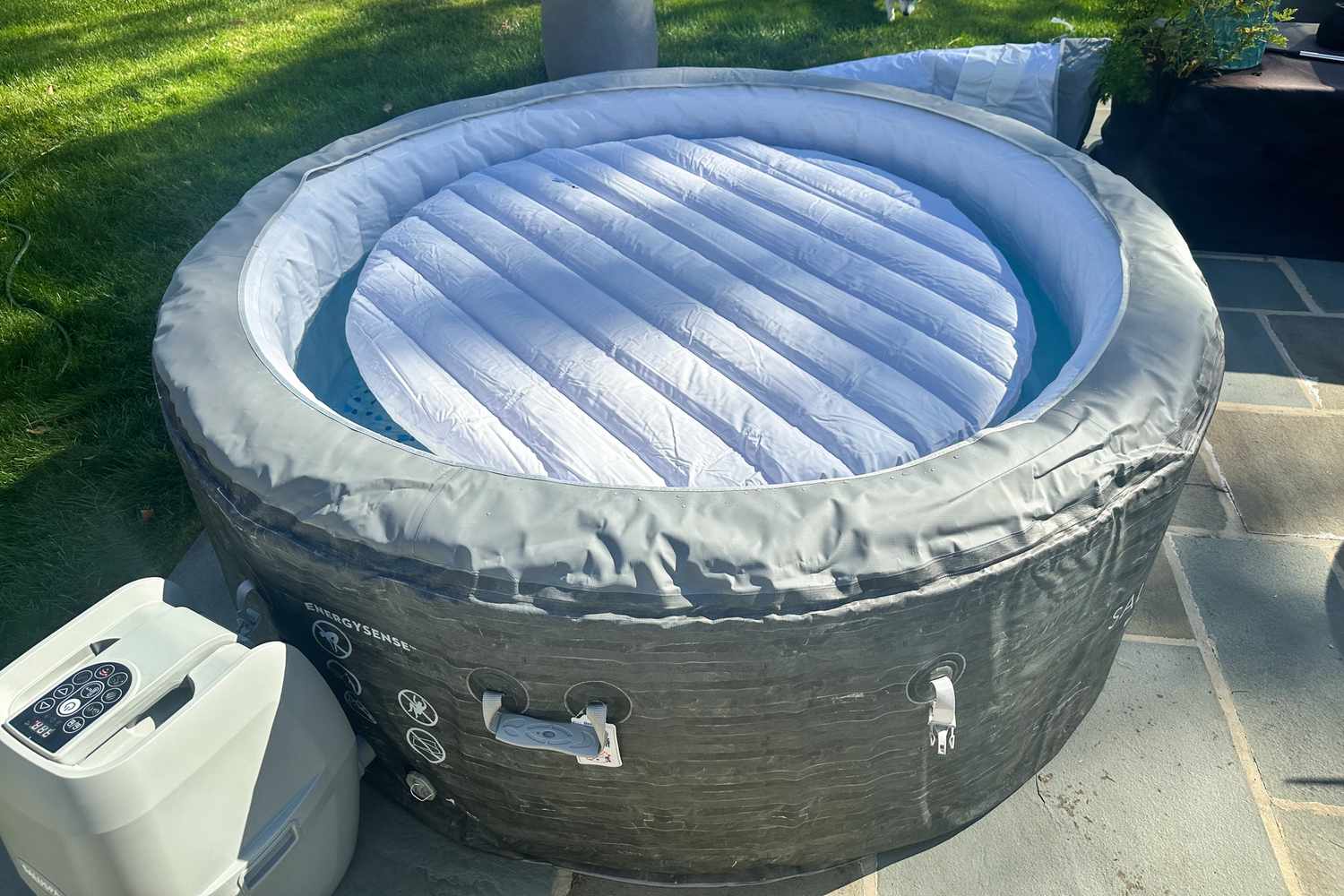

Get Intex hot tubs right
Intex PureSpa models are engineered for simplicity, but they demand a specific type of foundation to function correctly. The most common failure point isn't the pump or the liner—it's an uneven surface that stresses the vinyl walls. Before you unpack your unit, you need to prepare a site that meets the manufacturer's strict tolerances.
The floor must be perfectly level. Even a slight tilt can cause water to pool unevenly, leading to structural strain or premature wear. Intex recommends a hard, flat surface like a reinforced concrete patio or a specialized inflatable hot tub base. Soft ground, grass, or uneven decking will cause the tub to shift and potentially puncture the bottom layer.
Check your power supply before installation. These tubs require a dedicated 110–120V outlet. Using an extension cord is risky; if you must use one, ensure it is a heavy-duty, grounded cord rated for outdoor use and kept as short as possible to prevent voltage drop. Voltage issues can cause the heater to cycle inefficiently or trip your circuit breaker.
Finally, ensure you have clear access to the tub for maintenance. Keep the area around the base clear of sharp objects, heavy furniture, or overhanging branches. A cluttered perimeter makes routine cleaning and filter replacement difficult, which can lead to water quality issues down the line.
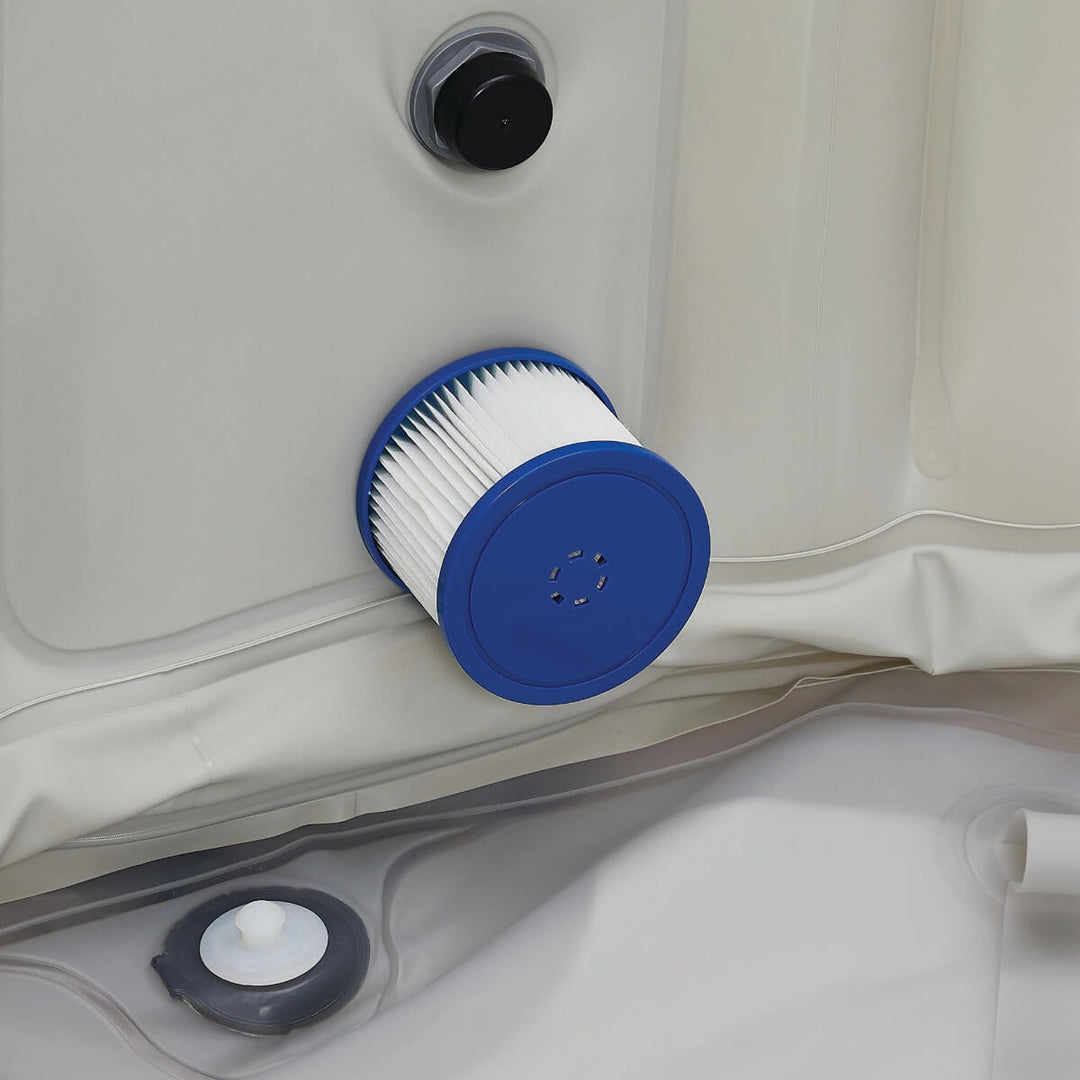
Work through the steps
Setting up an inflatable hot tub is straightforward, but getting the foundation and water chemistry right prevents most headaches. Whether you chose an Intex PureSpa, a Coleman SaluSpa, or a SaluSpa model, the installation process follows the same logical sequence. Follow these steps to ensure your spa is level, stable, and ready for conversion.


As an Amazon Associate, we may earn from qualifying purchases.
Fix common mistakes
Inflatable hot tubs are forgiving, but they are not indestructible. The difference between a spa that lasts a season and one that lasts years often comes down to three specific errors. You can avoid these pitfalls with a little preparation and consistent maintenance.
Skipping the protective base
Placing your inflatable hot tub directly on grass or uneven concrete is a fast track to punctures. The weight of the water and occupants will press any small stone, root, or sharp edge into the vinyl floor. Over time, this creates thin spots that eventually leak.
Use a rigid foam base designed for inflatable spas. These mats distribute weight evenly and provide a smooth barrier between the tub and the ground. Even a high-quality inflatable floor pad is better than nothing, but a solid board base offers the best protection against sharp debris. Check your Intex or Coleman manual to see if a specific base is required to keep the warranty valid.
Ignoring water chemistry
Many owners treat water care as an afterthought, assuming that the built-in filtration system handles everything. It does not. Without proper chemical balance, algae grows rapidly, and the internal components corrode. Salt water conversion kits make this worse if you do not monitor the salt levels carefully.
Test your water pH and alkalinity at least once a week. Keep the pH between 7.2 and 7.6. If you are using a salt water converter, follow the manufacturer’s instructions for salt dosage precisely. Too much salt damages the liner and seals; too little renders the system useless. Carry a small test strip kit in your spa cabinet and check it before every use.
Running the pump continuously
It is tempting to leave the pump and heater running 24/7 to keep the water warm. This wastes electricity and puts unnecessary stress on the pump motor and seals. Inflatable hot tubs are not insulated like permanent fiberglass models, so they lose heat quickly, but constant operation is not the answer.
Use the timer function on your control panel to heat the water only when you plan to use it. If you do not use the tub for several days, turn the power off completely rather than leaving it on standby. This simple habit extends the life of your pump and saves money on your energy bill. Always cover the tub with the insulated thermal cover when it is not in use to retain heat and reduce pump workload.
Intex hot tubs: what to check next
Before buying an inflatable spa, it helps to separate marketing claims from real-world performance. Intex PureSpa models are entry-level systems designed for casual use. They work well for occasional soaking but require more maintenance than permanent installations.
Are Intex hot tubs any good?
Intex hot tubs offer solid value for the price. They provide bubble massage heating and basic filtration suitable for backyard relaxation. However, they lack the powerful hydro jets found in rigid-shell spas. You get what you pay for: functional warmth without premium durability or intense therapy features.
How long do Intex inflatable hot tubs last?
Most units last two to four seasons with proper care. Users report leaks after heavy use or winter storage. The PVC material degrades under UV exposure. Store it in a cool, dry place when not in use to extend the lifespan significantly.
Are hot tubs good for fibromyalgia?
Warm water immersion helps ease fibromyalgia symptoms. The heat relaxes tense muscles and improves circulation. Many users find relief from joint stiffness and chronic pain after soaking. Always consult a doctor before starting hydrotherapy, especially if you have circulation issues.
Does a hot tub lower cortisol?
Yes, warm water can lower cortisol levels. Studies show that relaxation in heated water reduces stress hormones. The combination of heat and buoyancy helps the body enter a parasympathetic state. This makes hot tubs effective for mental decompression after a high-stress week.
No comments yet. Be the first to share your thoughts!