

How salt systems actually work
The term "salt water" often creates a misconception that these hot tubs operate without chlorine. In reality, saltwater hot tub benefits stem from a different delivery method, not a different sanitizing agent. Whether you own an Intex, Coleman, or SaluSpa model, a salt system does not replace chlorine; it generates it on-site.
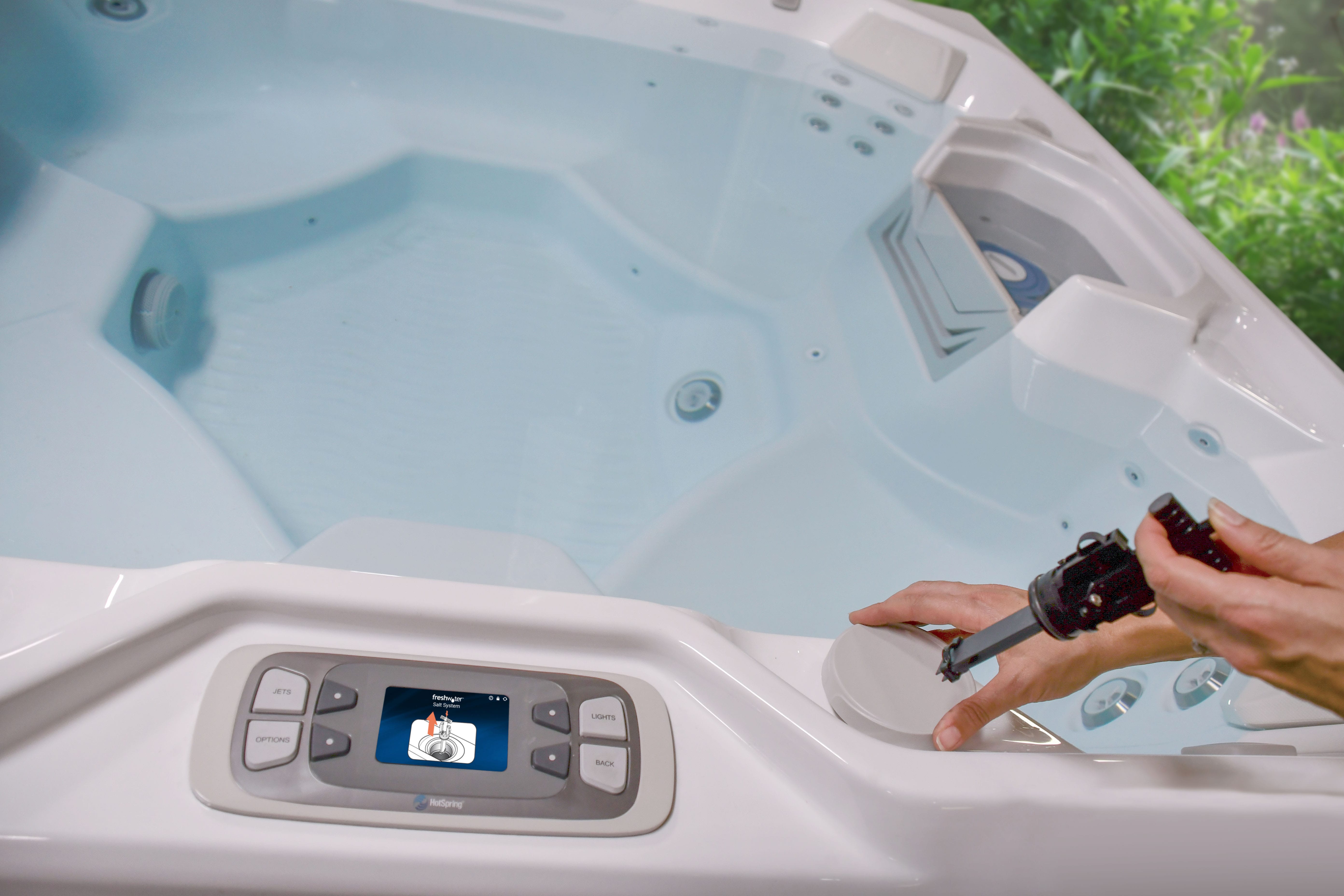
Inside the filtration line, a salt cell (also called a salt chlorinator) passes a low-voltage electrical current through the water. This process, known as electrolysis, splits dissolved salt molecules into chlorine ions. These ions immediately sanitize the water by neutralizing bacteria and organic contaminants, just like traditional chlorine tablets or liquid bleach would.
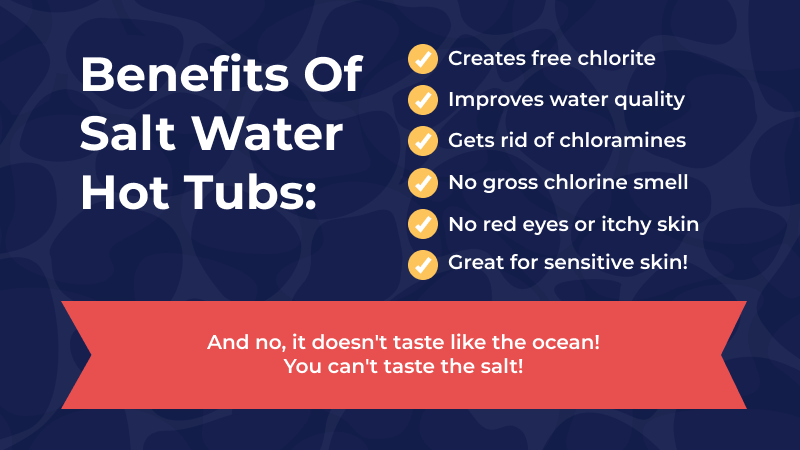
The primary advantage is automation. Instead of manually measuring and adding shock or stabilizers every few days, the system maintains a consistent, gentle level of sanitizer. This reduces the sharp chemical smell and minimizes skin and eye irritation, making the soak more comfortable for sensitive users. The water remains clear and safe, but the maintenance routine shifts from frequent chemical additions to occasional salt level checks.
Skin comfort and water feel
Choosing between salt and traditional chemicals for your Intex, Coleman, or SaluSpa hot tub often comes down to how the water feels against your skin. Salt water systems are widely recognized for being much gentler on the body. The sodium in salt-water hot tubs actively softens the water, creating a more natural and less harsh environment for your skin, eyes, and hair compared to traditional chlorine-treated water.
For users with sensitive skin or allergies, this difference is significant. Traditional chlorine can cause dryness, itching, and eye irritation, especially in the warm, enclosed environment of a hot tub. Salt water systems produce chlorine at a much lower, more consistent level, which means fewer harsh chemical spikes. This results in a smoother, silkier water feel that doesn't strip your skin of its natural oils.
The reduction in harsh chemicals also means that salt water spas are less likely to irritate your skin and eyes. With a gentler overall experience, you can fully relax and enjoy the wellness benefits without the annoying discomfort of red eyes or itchy skin. This comfort is a primary driver for those looking to maximize the relaxation aspect of their hot tub ownership.
Maintenance effort and cost
Choosing between liquid chlorine and a salt system changes how you spend your time and money. The convenience of salt systems often centers on reduced labor, but the upfront hardware and long-term part replacements add a different layer of cost. For owners of Intex, Coleman, and SaluSpa models, understanding these trade-offs helps you decide which system fits your lifestyle.
Liquid chlorine requires frequent purchases. You will buy bottles or tabs every few weeks, and you must test the water regularly to keep levels balanced. This method is straightforward but demands consistent attention. Salt systems automate much of this process. Once the salt cell is installed, it generates chlorine continuously, meaning you only need to check the water chemistry occasionally. However, salt cells have a limited lifespan, typically lasting two to four years before needing replacement, which adds a periodic expense.
The financial picture shifts over time. While the initial setup for a salt system is higher, the monthly cost of chemicals drops significantly because you only need to add salt occasionally. Liquid chlorine users pay for chemicals every month, which can add up. Additionally, salt can be corrosive to certain metal components if not managed correctly, though modern hot tubs from brands like Coleman and Intex are designed to handle this. SaluSpa users often find that the ease of salt systems outweighs the minor risk of corrosion.
Below is a side-by-side comparison of the ongoing maintenance and costs for both methods.
For many users, the reduced labor makes the higher initial investment worthwhile. If you prefer a set-it-and-forget-it approach, a salt system is likely the better choice for your Intex or Coleman hot tub. If you want to avoid hardware maintenance and keep costs predictable month-to-month, liquid chlorine remains a reliable option.
Hardware compatibility and risks
While the skin comfort and reduced chemical odors are appealing, the hardware reality for inflatable and soft-sided spas is more complex. Brands like Intex, Coleman, and SaluSpa are engineered with specific material tolerances that traditional chemicals are designed to respect. Switching to a salt system introduces chloride ions that can accelerate wear on components not built for prolonged salt exposure.
The primary concern lies in the metal hardware. Even though inflatable tubs lack large steel frames, they rely on metal brackets, screws, and internal pump fittings to maintain structural integrity during operation. Salt is inherently corrosive to these metals. Over time, the saline environment can cause rust and pitting on screws and pump housings, leading to leaks or mechanical failure that voids the manufacturer's warranty. This is a distinct trade-off compared to rigid acrylic spas, which often use marine-grade stainless steel specifically rated for saltwater environments.
Pump seals and internal tubing are also vulnerable. The chemical composition of saltwater systems requires precise balancing to prevent scale buildup and corrosion. If the salt concentration drifts too high, it can degrade the rubber seals in the pump and heater assembly faster than standard chlorine or bromine systems would. This degradation often results in slow leaks or pump burnout, which are costly repairs for equipment that is generally inexpensive to replace.
When comparing salt water hot tub benefits against chemical maintenance, the hardware risk is a significant factor. Traditional chemicals are easier to control and less aggressive toward the thin plastics and standard metal fittings found in portable spas. If you choose a salt system for the comfort benefits, you must monitor the salinity levels more rigorously than you would standard pH and alkalinity in a chemical setup to protect the lifespan of your pump and seals.
Best inflatable hot tubs for salt systems
Choosing an inflatable model that works with salt sanitization simplifies the transition from traditional chlorine. Salt systems generate chlorine from dissolved salt, offering softer skin and reduced chemical odors without the need to handle harsh containers.
While most Intex, Coleman, and SaluSpa tubs do not come with built-in salt generators, they are fully compatible with external salt chlorinators. These devices clip onto the filter housing and run on standard 110V power, making them ideal for portable setups. When selecting a tub, prioritize models with durable PVC liners and robust filter pumps to withstand the long-term use of salt water.
The following popular inflatable hot tubs are widely recommended for salt system integration due to their size, durability, and ease of maintenance.


As an Amazon Associate, we may earn from qualifying purchases.
Frequently asked: what to check next
Are salt water hot tubs healthier?
Yes, salt water hot tubs are generally considered healthier for your skin and eyes. Because the salt system generates chlorine from salt rather than requiring you to add harsh chemicals manually, the water is softer and less irritating. This gentler environment supports the hydrotherapy benefits of your Intex, Coleman, or SaluSpa hot tub without causing the dryness or redness often associated with traditional chemical balancing.
How often should I change the water in a salt water hot tub?
With unique sanitization technology that automates much of the balancing process, saltwater hot tubs are generally easier to maintain than traditional systems. They require fewer chemical adjustments, and the water lasts longer—often up to 12 months—before needing a full drain and refill. This extended water life is a primary benefit for owners of portable models.
Do I need a special salt system for Intex or Coleman hot tubs?
Most inflatable hot tubs like Intex and Coleman do not come with built-in salt chlorine generators. You typically need to purchase a compatible standalone salt system or stick to traditional shock treatments. However, SaluSpa models often have better compatibility with third-party salt generators, making the transition to salt water easier for those specific brands.
Is salt water better for the hot tub components?
Salt water is less corrosive to internal components than high concentrations of chlorine or bromine. Over time, harsh chemicals can degrade seals and filters in inflatable hot tubs. Using a salt system helps preserve the lifespan of your Intex, Coleman, or SaluSpa hot tub by maintaining a more stable and gentle water chemistry.
No comments yet. Be the first to share your thoughts!