

Salt water hot tub choices that change the plan
2026 guide: Salt Water vs. Traditional Chemicals for Intex, Coleman, and SaluSpa Hot Tubs works best as a clear sequence: define the constraint, compare the realistic options, test the tradeoff, and choose the path with the fewest hidden costs. That order keeps the advice usable instead of decorative. After each step, pause long enough to check whether the recommendation still fits the reader's actual situation. If it depends on perfect timing, unusual access, or a best-case budget, include a simpler fallback.
| Factor | What to check | Why it matters |
|---|---|---|
| Fit | Match the option to the primary use case. | A good deal still fails if it does not fit the job. |
| Condition | Verify age, wear, and service history. | Hidden condition issues erase upfront savings. |
| Cost | Compare purchase price with likely upkeep. | The cheapest option is not always the lowest-cost option. |
Where each option wins
Choosing between salt water and traditional chemicals for your Intex, Coleman, or SaluSpa hot tub comes down to how you prioritize your time versus your budget. Neither system is strictly "better"; they simply serve different maintenance styles and usage patterns.
Salt water wins for: Low-maintenance comfort
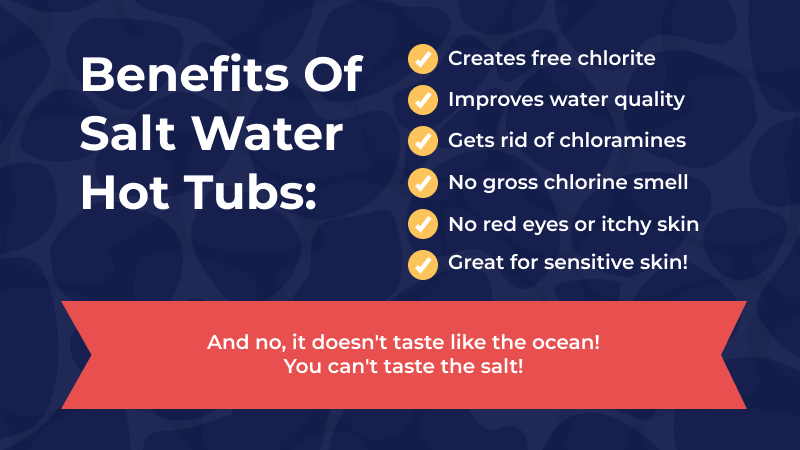
Salt water systems are ideal if you want to spend less time testing water and more time soaking. The built-in generator produces chlorine automatically, meaning you rarely need to add shock or balance pH as frequently. The water feels softer on skin and eyes, making it a better choice for sensitive users or those with allergies to harsh chemical odors. It is also easier to maintain consistently during short, frequent use cycles.
Traditional chemicals win for: Budget control and reliability
If you are on a tight budget or use your hot tub only occasionally, traditional chemicals are the safer bet. Salt generators are expensive to replace and can corrode metal components, ladder rungs, or heating elements if not monitored closely. Traditional chlorine tablets or granules are cheap and predictable. You have direct control over sanitization levels, which is crucial if you live in an area with hard water or high mineral content that might interfere with a salt system.
The hybrid approach
Many owners start with traditional chemicals to get the tub running and stable, then switch to salt later if they find the manual testing too tedious. However, switching systems is not always smooth; salt systems require a specific salt cell and can leave residue if the water chemistry was previously unbalanced. If you are buying a new inflatable or hard-shell tub, check if it is salt-compatible before committing to that path.


As an Amazon Associate, we may earn from qualifying purchases.
Details worth checking
Before switching to salt, verify your tub’s warranty. Many manufacturers void coverage if you use a salt chlorine generator, citing potential corrosion to internal components. Check your owner’s manual for a list of prohibited sanitizers, and contact customer support if the language is ambiguous.
Salt is corrosive. It can damage metal rails, ladders, and even the hot tub shell over time. If your tub has stainless steel or aluminum parts, the salt system may eat away at them faster than traditional chemicals. Inspect your current hardware and consider using plastic or vinyl covers for exposed metal.
Salt water hot tubs still require chemicals. The system generates chlorine, but you must still balance pH, alkalinity, and calcium hardness. Without regular testing, the water can become cloudy or irritating to skin. Keep a test kit on hand and check levels weekly.
Finally, consider the long-term cost. While salt systems reduce the need for chlorine tabs, they add upfront equipment costs and eventual replacement expenses for the salt cell. Calculate the total cost of ownership before making a decision.
Salt water hot tub benefits: common: what to check next
Before switching from traditional chemicals to a salt system, it helps to understand the practical tradeoffs. Saltwater hot tubs generate chlorine automatically, which means less handling of harsh chemicals and softer water on your skin. However, the system requires maintenance, and the water chemistry still needs attention.
The decision ultimately comes down to your tolerance for maintenance versus upfront cost. Salt systems offer convenience and comfort but require careful monitoring of corrosion risks. Traditional chemicals are cheaper to start but demand more hands-on management. Choose the system that fits your routine and budget.
No comments yet. Be the first to share your thoughts!