

Plan your privacy layout
Before buying screens or plants, map the sightlines that expose your soak. Walk the yard at different times of day and note every angle where a neighbor, passerby, or upper-story window can see in. Hot tub privacy ideas work best when they target the specific lines of sight rather than blocking the whole perimeter.
Start by standing in the tub and looking outward. Mark windows, fence gaps, and elevated decks on a rough sketch. These are your primary exposure points. Next, check sightlines from the street and adjacent yards. Note where hedges or existing fences already offer partial cover. This simple audit tells you exactly where to place screens or dense plantings.
Use the layout to decide on materials. High-traffic view angles need solid, opaque barriers like wooden screens or dense arborvitae. Lower-priority spots might only need decorative trellises with climbing vines or semi-transparent panels. By matching the barrier type to the exposure level, you avoid wasting space on unnecessary coverage.

Install freestanding privacy screens
Freestanding privacy screens offer a flexible way to block views without the commitment of permanent structures. They are ideal for renters or anyone who wants to rearrange their hot tub layout seasonally. You can place bamboo, vinyl, or composite panels around the perimeter to create an immediate visual barrier.
Start by measuring the perimeter of your hot tub area. Determine where neighbors or street views are most intrusive, then buy panels that cover those sightlines. Most freestanding screens come in 6-foot heights, which is standard for backyard privacy.
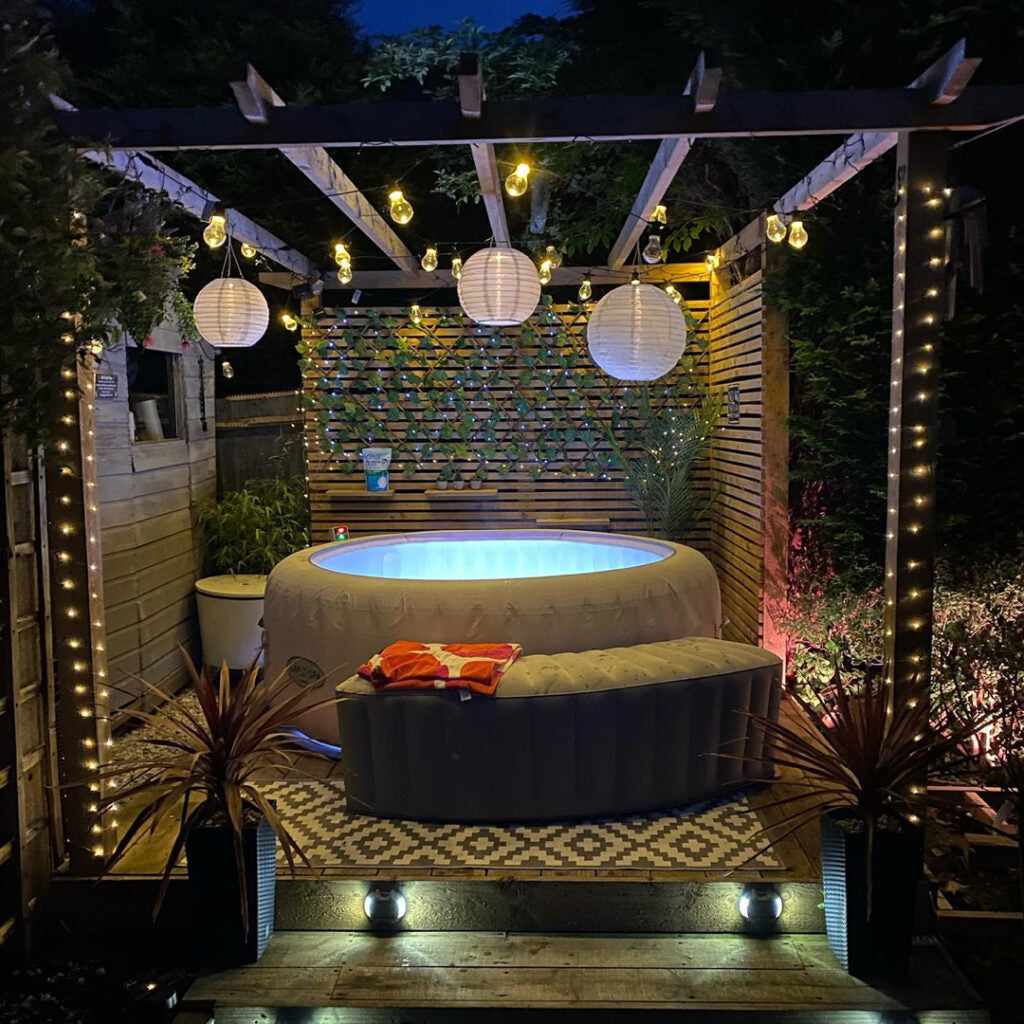
Clear the ground where each panel will stand. Remove debris and level the soil or pavers. If you are on a deck, ensure the floor can support the weight of the anchored screen.
Use concrete-filled pots or heavy-duty ground spikes. Fill large planters with concrete for maximum stability against wind. For soft ground, drive metal spikes into the earth before inserting the panel base.
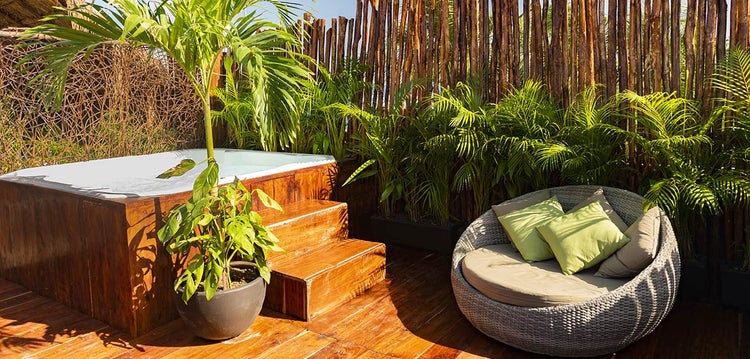
Connect the panels using the included hardware or heavy-duty zip ties. Ensure the seams are tight to prevent gaps. If the panels are modular, lock them together to create a continuous wall.
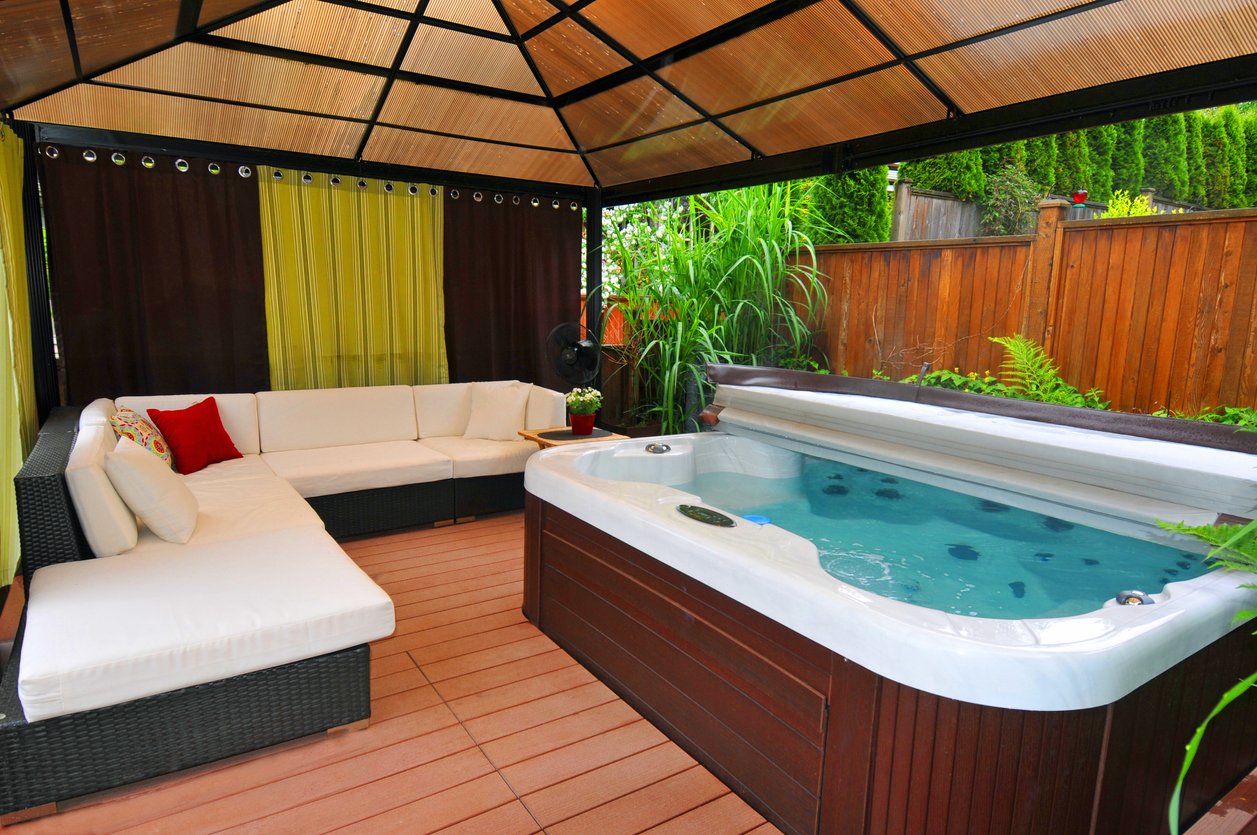
Angle the screens slightly inward if they face a neighbor’s window. This directs the view away from the hot tub seating area. Leave a small gap for airflow if you are using solid vinyl panels to prevent heat buildup.
Choosing the Right Material
The material you select affects both durability and aesthetics. Bamboo screens offer a natural look but may rot in wet climates. Vinyl panels are low maintenance and resist weathering but can look artificial. Composite options blend the two, offering a wood-like appearance with plastic resilience.
| Material | Durability | Aesthetic | Maintenance |
|---|---|---|---|
| Bamboo | Moderate | Natural | High (sealing) |
| Vinyl | High | Modern | Low (wash) |
| Composite | High | Wood-like | Low (wash) |
Recommended Products
For a quick setup, consider these popular options available on Amazon. These screens are designed specifically for outdoor hot tub environments and are easy to assemble without tools.


As an Amazon Associate, we may earn from qualifying purchases.
These screens provide immediate privacy. For complete coverage, combine them with a hot tub cover when not in use to block view from above.
Use plants and trellises for greenery
Natural barriers offer a softer, more inviting aesthetic than plastic screens, blending into your backyard landscape while providing effective privacy for your hot tub. Unlike rigid structures that look installed and forgotten, living walls evolve with the seasons, adding texture and color to your spa area. This approach turns a functional barrier into a design feature that improves over time.
Select the right climbing plants
Choose vines that thrive in your local climate and match the sun exposure of your hot tub spot. Fast-growing options like clematis or jasmine provide quick coverage, while evergreen varieties like star jasmine offer year-round screening. Ensure the plants you select are non-invasive and won’t drop excessive debris into your water, which could clog filters.
Install trellis panels strategically
Position trellis panels along the perimeter of your hot tub deck or attach them to existing fences. Secure them firmly to withstand wind, especially in open backyard settings. Space the panels so they overlap slightly to prevent gaps where neighbors might see in. You can also use freestanding trellis units if you aren’t allowed to modify permanent structures.
Maintain the green wall
Regular pruning keeps your privacy screen dense and healthy. Trim back dead or overgrown vines in early spring to encourage new growth. Train the vines to grow horizontally along the trellis grid for a fuller barrier. This low-maintenance approach ensures your hot tub remains a secluded, serene retreat without the upkeep of artificial materials.
Add covers and canopies for seclusion
A hot tub cover does double duty. It traps heat when the spa is not in use and blocks the view of the water surface from neighbors or passersby. Most factory covers are thick and opaque, creating a solid visual barrier that hides the tub entirely.
For a more architectural approach, install a gazebo or retractable canopy over the hot tub. This structure provides overhead privacy while shielding the water from leaves and debris. A well-placed canopy also defines the hot tub area as a distinct room within the backyard.
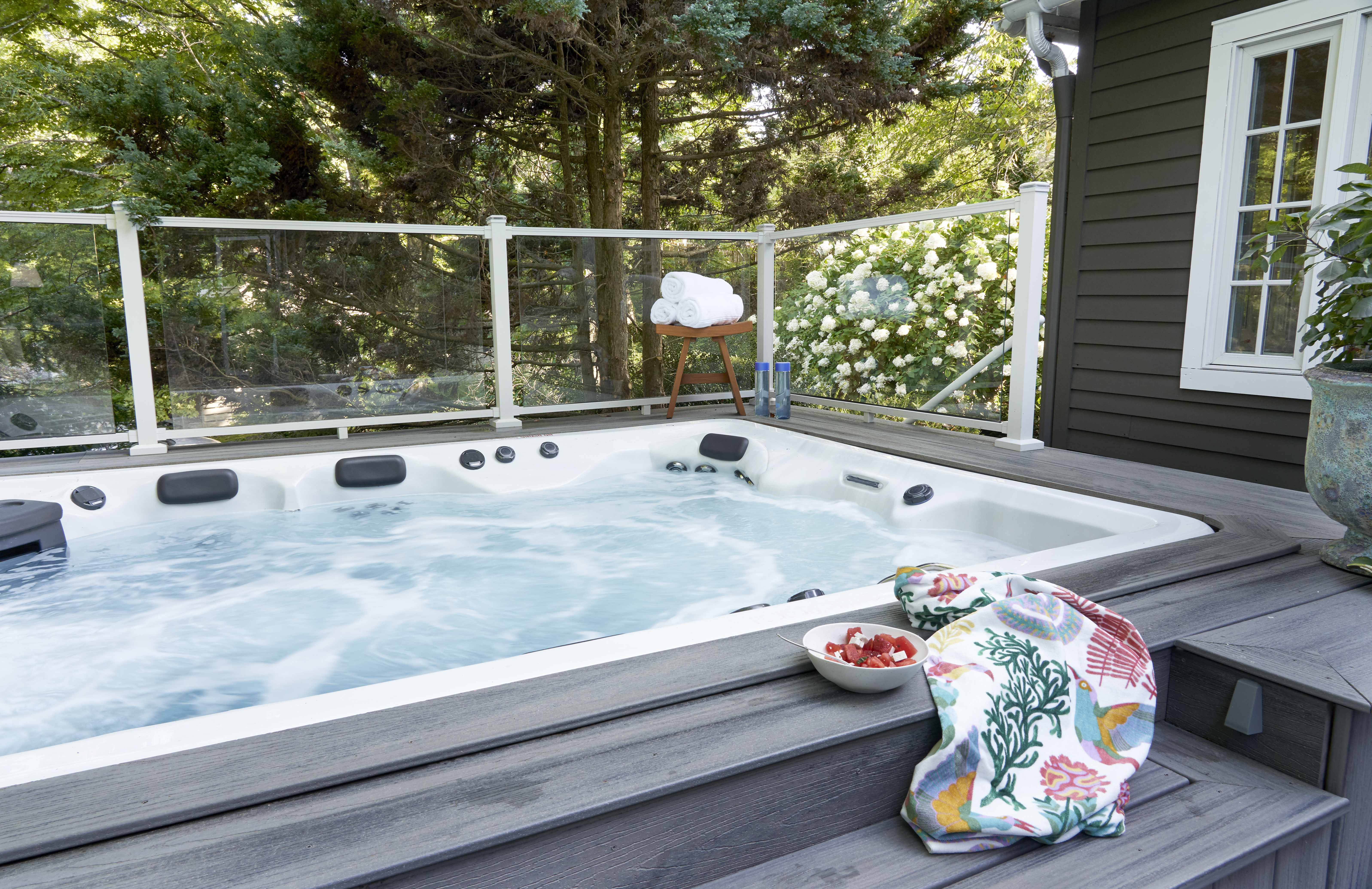
Shop insulated covers and canopies
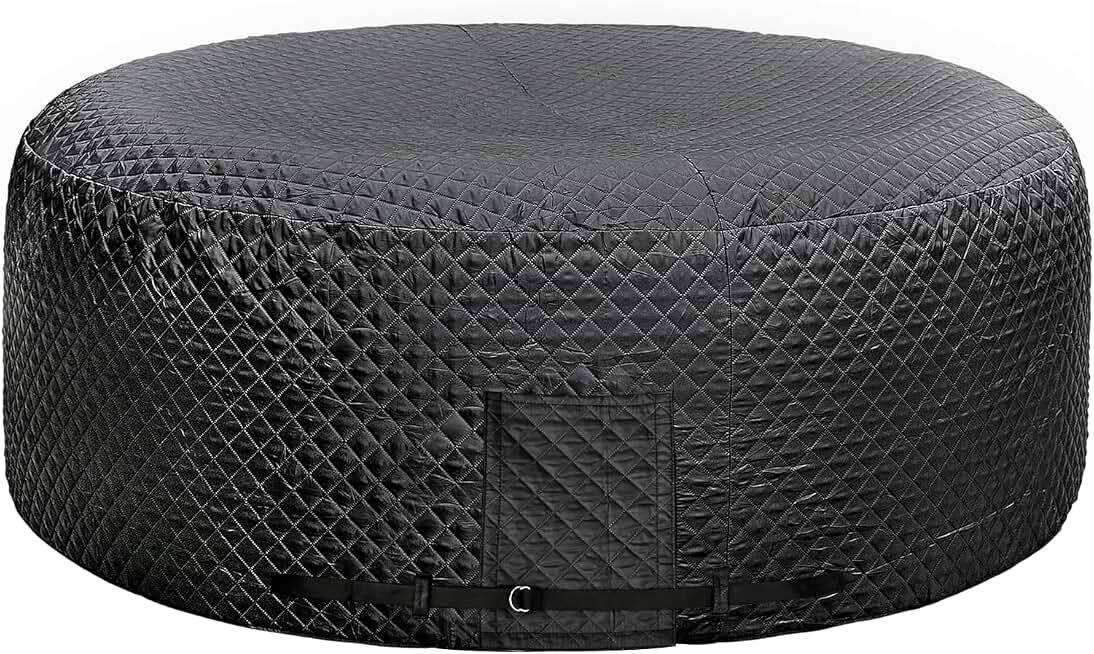

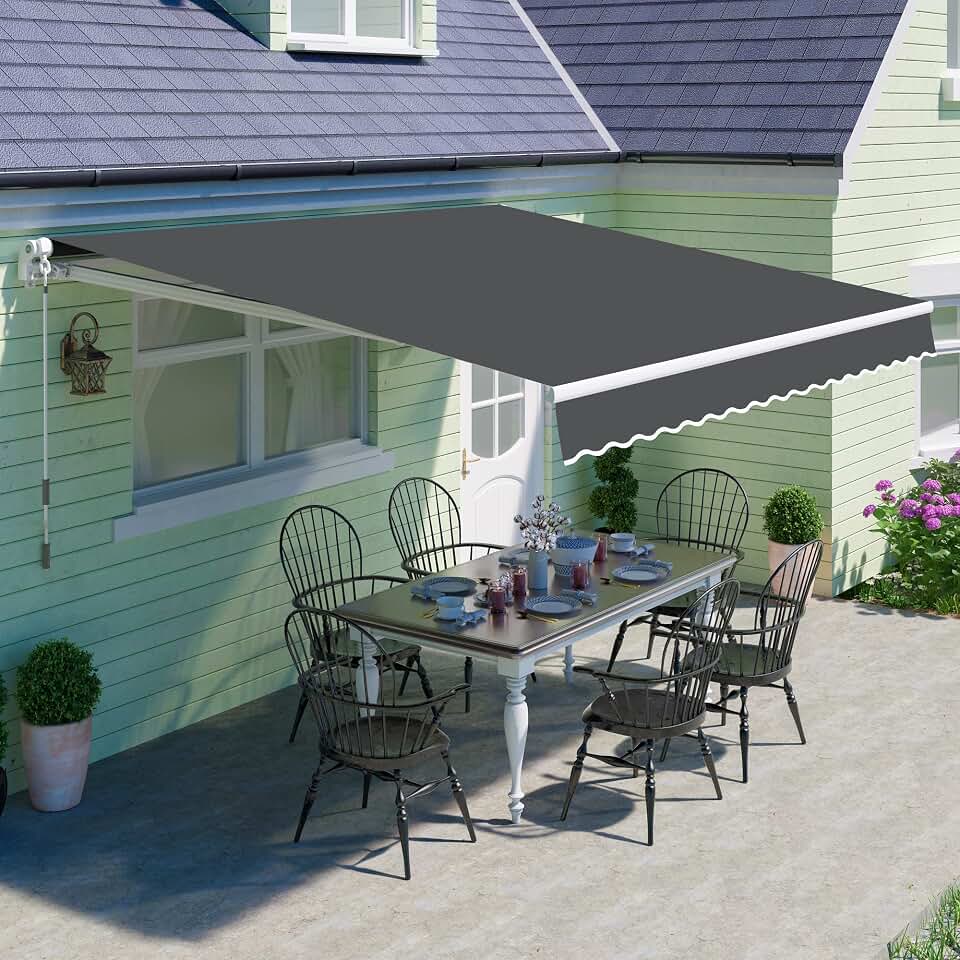
As an Amazon Associate, we may earn from qualifying purchases.
Maintain temperature and chemicals
Privacy screens and covers do more than block views; they trap heat. A well-insulated cover reduces the energy needed to keep water warm, while a solid screen lowers wind chill. This dual protection makes your hot tub privacy ideas a practical investment in lower utility bills.
Weekly maintenance checklist
Routine care keeps water clear and safe. Use this checklist to stay on track.
- Test pH and alkalinity levels twice a week.
- Shock the water after heavy use or rain.
- Clean the filter cartridge every two weeks.
- Wipe down the shell with a mild cleaner.
Screen installation and cover care
Installing a freestanding privacy screen provides a windbreak that stabilizes temperature. Place heavy pots filled with concrete at the base for stability, leaving a few inches of clearance at the top for airflow. Pair this with a high-quality thermal cover to lock in heat overnight.
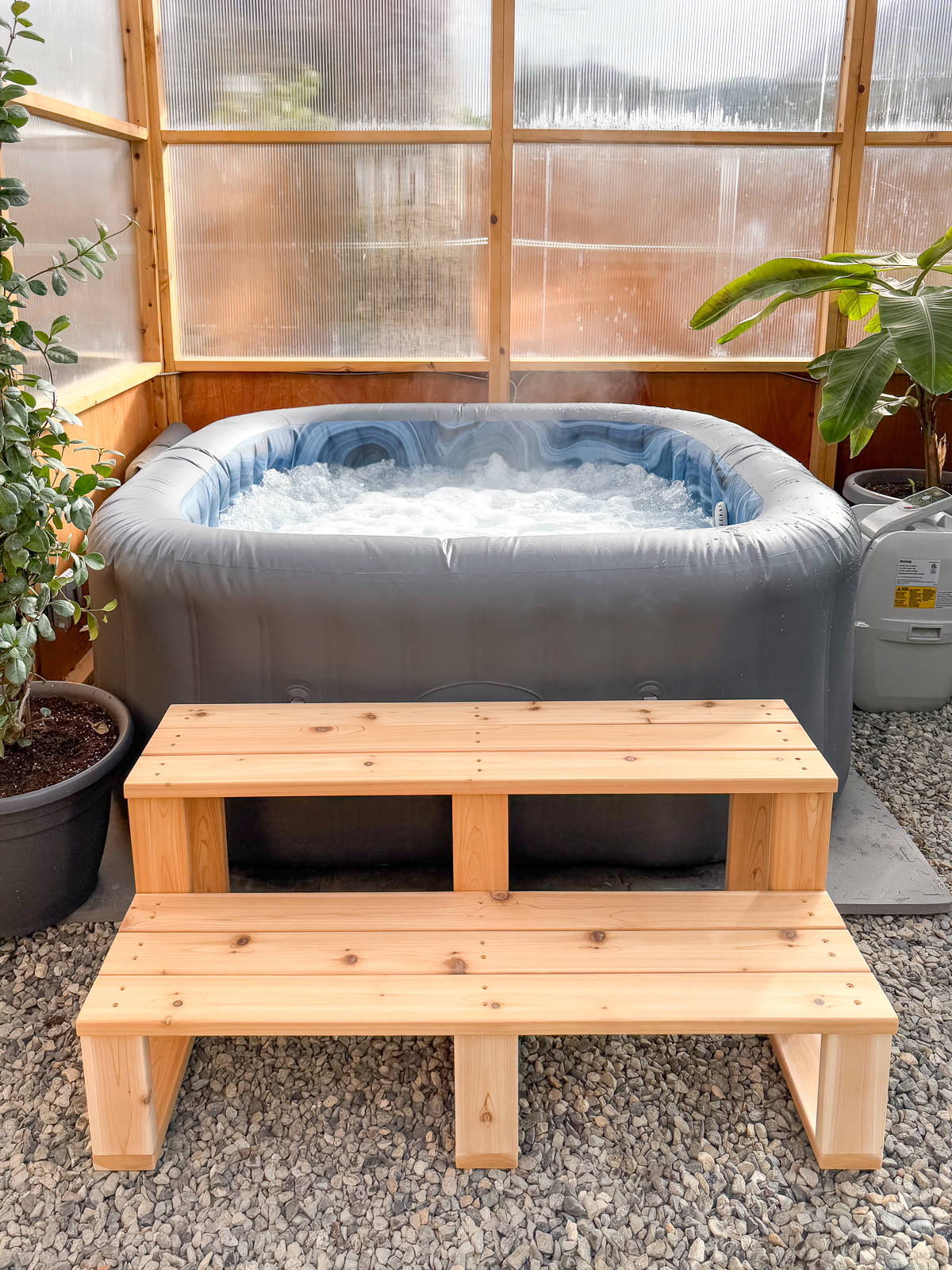
Place 4x4 posts in large pots filled with concrete. Ensure they are level and spaced to match your screen width.
Secure the retractable privacy screen to the posts. Leave a small gap at the top to prevent wind from catching the material like a sail.
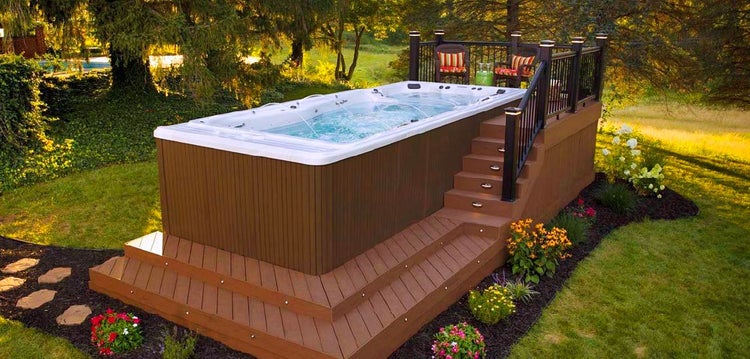
Place the thermal cover over the tub when not in use. Ensure it is taut to maximize heat retention and block debris.
Investing in durable materials pays off. Look for commercial-grade vinyl tarps or retractable awnings that resist UV damage. These options extend the life of your setup while maintaining that secluded feel.
No comments yet. Be the first to share your thoughts!