

Set the ideal temperature range
The safe and comfortable baseline for most inflatable spas is between 100°F and 104°F (37.5°C to 40°C). While hard-shell spas often hold heat well, inflatable models like Intex, Coleman, and SaluSpa lose warmth faster due to thinner walls and air-column support. Staying within this range ensures a relaxing soak without overworking the unit’s heater or risking user safety.
Most users find 100°F to 102°F to be the optimal sweet spot. This range provides enough warmth for muscle relief while remaining comfortable for extended sessions. Setting the temperature higher than 104°F offers diminishing returns for comfort and can pose health risks, particularly for seniors, pregnant individuals, or those with cardiovascular conditions.
Lower temperatures also significantly impact energy efficiency. Inflatable spas are less insulated than permanent structures, meaning the heater runs more frequently to maintain high heat. Reducing the set temperature by just 1°F can cut energy usage by 5–10%. In summer or when the spa is not in use for extended periods, dropping the temperature to 85–95°F can save considerable electricity while keeping the water ready for a quick reheating cycle.
Preheat the water efficiently
Inflatable spas like Intex, Coleman, and SaluSpa units are essentially large plastic pools with built-in heaters. They lack the heavy insulation of hard-shell models, meaning heat escapes quickly and the heater element works much harder to compensate. To heat the water efficiently without tripping safety switches or burning out components, you need to follow a specific sequence: check the water, clean the filter, and then set the temperature.
Before turning on the heater, ensure the water level is at least two inches above the filter housing. Low water levels cause the heater to overheat and shut down. Also, verify your insulated cover is intact and clean; a damaged cover can waste up to 50% of your heat. If the cover is compromised, the heater will run continuously, driving up energy bills without reaching your target temperature.
A clogged filter restricts water flow to the heater, which is the most common cause of "FL" or "LO-FLO" errors in inflatable spas. Remove the filter cartridge and rinse it with a hose. If it’s heavily soiled, soak it in a filter cleaner solution. Poor circulation forces the heater to work harder to raise the temperature, significantly increasing energy consumption. Clean water flows faster, allowing the heater to transfer heat more effectively.
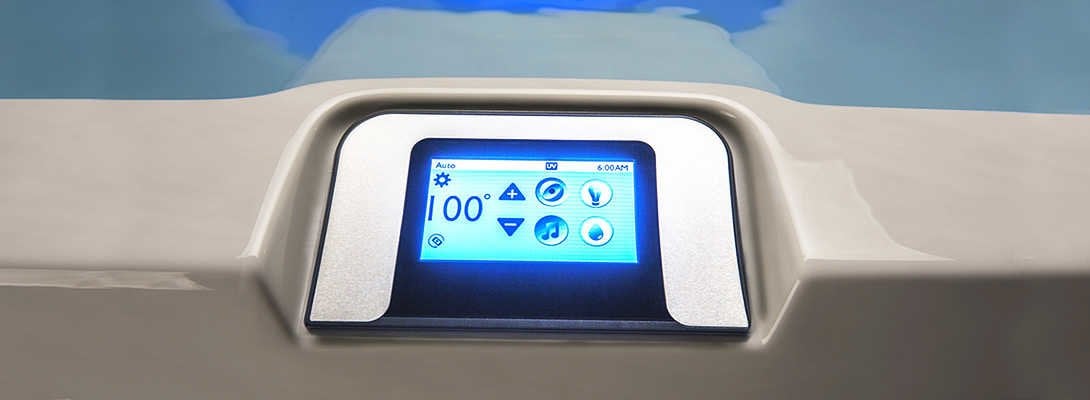
Set your desired temperature between 100°F and 104°F. Avoid setting the thermostat to the maximum (often 104°F or 40°C) immediately if the water is very cold. Inflatable spa heaters are low-wattage (usually 1,400–1,500W) and can take 12–24 hours to heat a full tub. Setting it too high can cause the system to cycle rapidly, leading to premature wear. Let the heater run at a steady pace to maintain the set point without stress.
Keep the cover on while heating. Every degree you raise the temperature increases energy usage by 5–10%. If the water isn’t warming up, check for drafts or wind exposure. Inflatable spas are sensitive to ambient temperatures; a windbreak can make a significant difference. Once the target temperature is reached, the heater will cycle off. If it runs constantly without reaching the set point, check for leaks or a faulty thermostat.
Efficient heating relies on circulation and insulation. By keeping the filter clean and the cover tight, you reduce the workload on the heater. This not only saves electricity but also extends the life of the pump and heating element. Avoid the temptation to leave the spa uncovered to "help it heat faster"; this is a common misconception that wastes energy and introduces debris into the water.
Balance chemicals for clear water
In an inflatable spa, water chemistry isn’t just about cleanliness; it’s the primary defense for your heater’s longevity. Unlike hard-shell spas with thick insulation and robust plumbing, inflatable models like the Intex PureSpa or Coleman SaluSpa have thin vinyl walls that offer little thermal mass. This means your heater works harder to maintain the 100–104°F range, and it is far more vulnerable to scale buildup and corrosion caused by imbalanced water.
When pH swings outside the 7.2–7.6 range, calcium minerals begin to precipitate out of the water. These microscopic crystals quickly coat the heating element, acting as an insulator. The heater then has to run longer and hotter to transfer the same amount of heat, leading to premature burnout. Clear water also ensures the sensor reads accurately, preventing the system from overheating or failing to kick on when needed.
Maintaining balance is simpler than it sounds. Test your water twice a week using reliable test strips or a liquid kit. Adjust alkalinity first to stabilize pH, then add sanitizer. Keeping the water chemically neutral is the most effective way to extend the life of your plug-and-play unit’s internal components.
-
Test pH and adjust to 7.2–7.6
-
Check total alkalinity (80–120 ppm)
-
Verify sanitizer levels (1–3 ppm)
Insulate to keep heat in
Inflatable spas lose heat faster than hard-shell models because their walls are thin vinyl and air layers. Without proper insulation, the heater works overtime, driving up electricity bills and wearing out components. Keeping the water between 100°F and 104°F is standard, but every degree above that costs significantly more energy. Studies show that reducing the temperature by just one degree can save 5% to 10% on energy costs.
The first line of defense is a high-quality insulated cover. Look for covers with heavy-duty vinyl exteriors and thick foam cores that match your spa’s dimensions exactly. A tight seal prevents warm, moist air from escaping, which also reduces the need for constant chemical adjustments. If your current cover is cracked, warped, or has broken straps, replace it immediately; even small gaps can lead to major heat loss overnight.
For an extra layer of protection, add a thermal blanket or bubble wrap under the main cover. These floating insulators trap heat directly at the water’s surface, where most evaporation occurs. This simple addition can maintain your target temperature with less heater strain, especially during colder months or windy conditions.
Avoid the common mistake of leaving the lid off while using the spa or during maintenance. Every minute the water is exposed, heat escapes rapidly. Make it a habit to replace the cover immediately after use. If you must leave the spa uncovered for cleaning or chemical treatment, do so only for the shortest time possible and monitor the temperature closely.
Troubleshoot heating issues
If your inflatable spa is running but the water stays lukewarm, the problem usually stems from heat loss or a blocked filtration system. Inflatable units like Intex or SaluSpa models have thin PVC walls and rely on small, efficient heaters, making them sensitive to maintenance and ambient conditions. Start by checking the basics: ensure the water level is above the pump intake and that the cover is sealed tightly to prevent heat escape.
Common Symptoms and Fixes
A slow-heating tub often points to a dirty filter or low insulation, while a complete lack of heat suggests a sensor error or power issue. Use the table below to diagnose the specific behavior of your spa.
| Symptom | Likely Cause | Quick Fix |
|---|---|---|
| Water heats slowly | Dirty or clogged filter | Rinse filter with a hose; replace if torn |
| Water never reaches set temp | Low water level or air lock | Top up water; check pump for air bubbles |
| Heater clicks but no heat | Thermostat sensor error | Reset breaker; if persistent, replace sensor |
| Temperature fluctuates wildly | Drafty location or thin cover | Move spa away from wind; add insulating blanket |
Ambient Conditions and Sensor Checks
Inflatable spas lose heat faster than hard-shell models, especially in cold weather. If the ambient temperature drops below 40°F, your heater must work harder to maintain 100–104°F. Ensure the spa is sheltered from wind and direct sunlight, which can confuse temperature sensors. If the display shows an error code like "E1" or "E2," consult your manual; these often indicate a faulty temperature probe that needs replacement.
Energy Efficiency Tip
Every degree you lower the temperature can save 5–10% on energy costs. If you don't use the spa daily, consider lowering the set point to 85°F and reheating it before use, rather than maintaining a high temperature constantly. This reduces the load on the small heater and extends its lifespan.
Essential accessories for inflatable spas
Inflatable spas like Intex, Coleman, and SaluSpa lose heat faster than hard-shell units because their vinyl walls conduct temperature more readily. You can reclaim that lost warmth and cut energy bills by 5–10% per degree with a few targeted accessories.
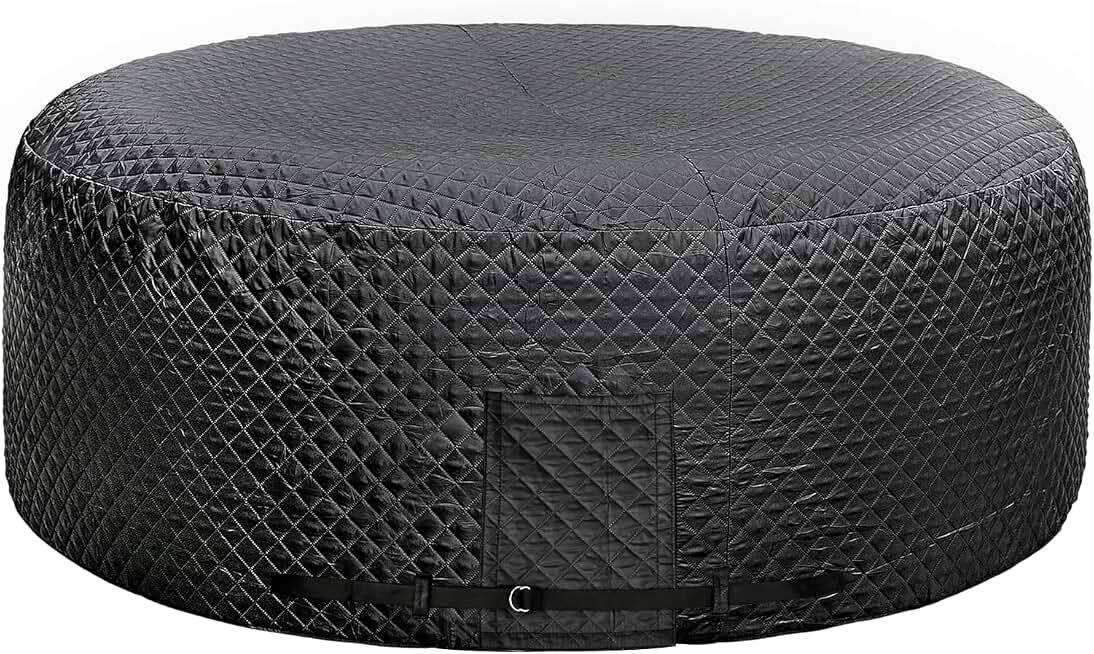
An insulated thermal cover is the single most effective tool for keeping your spa between 100°F and 104°F. Look for a cover with heavy-duty foam layers and a waterproof vinyl shell to prevent heat from escaping through the top surface. A tight seal stops warm air from rising while the heater is idle.
A floating thermal blanket works as a secondary layer under the main cover. This thin, reflective sheet reduces evaporation, which is the primary cause of heat loss in inflatable models. It also helps keep chemical levels stable by limiting exposure to sunlight and debris.


As an Amazon Associate, we may earn from qualifying purchases.
Frequently asked: what to check next
What is the most efficient temperature to keep a hot tub at?
For most inflatable spas, the sweet spot is 100–102°F. This range provides a comfortable soak without overworking the heater. Lowering the temperature by just 1°F can cut energy usage by 5–10%, making it a simple way to manage costs while keeping the water ready for use.
Why do you put a tennis ball in a hot tub?
A tennis ball acts as a makeshift floating thermometer. When water reaches 104°F, the ball’s internal air expands, causing it to float higher. This visual cue helps you monitor temperature without relying solely on the spa’s display, which can sometimes lag or drift.
How long is it safe to stay in a hot tub at 104°F?
At the maximum safe limit of 104°F, limit soaks to 10–15 minutes. Higher temperatures increase heart rate and risk of overheating. If you prefer longer sessions, lower the temperature to 100°F or below to maintain safety while enjoying the hydrotherapy benefits.
How do I leave my hot tub for 2 weeks?
For short absences, set the spa to "Eco" or "Standby" mode to keep the water above freezing without full heating. If the spa has no eco-mode, lower the temperature to 85–90°F. Ensure the cover is secure and check that the power supply remains stable during your absence.
No comments yet. Be the first to share your thoughts!