

How salt systems sanitize inflatable tubs
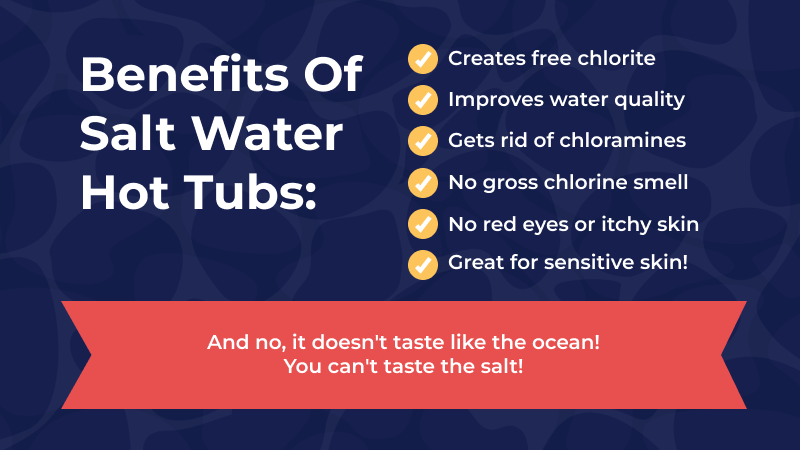
The primary appeal of a salt water hot tub benefits system is the reduction in manual chemical handling. Unlike traditional spas where you measure and pour granular chlorine, these systems use a salt cell to generate chlorine on-site. This doesn't mean the water is chemical-free; it simply means the salt acts as a reservoir. You add salt to the water, and the cell uses electricity to split the salt molecules, releasing chlorine to sanitize the water. This continuous process keeps the water fresher longer and stabilizes pH levels, which is a significant advantage for smaller inflatable units like the Intex PureSpa or Coleman SaluSpa.
For brands like SaluSpa and Intex, this technology is often integrated directly into the control panel. The system monitors conductivity and adjusts chlorine output automatically. This automation reduces the risk of under-chlorinating the water, a common issue when users forget to add shock treatments. The result is water that feels softer on the skin and eyes, eliminating the harsh chemical smell that often lingers around traditional inflatable hot tubs.
While the upfront cost of a salt cell is higher than a basic chlorine dispenser, the long-term trade-off favors salt systems for regular users. You buy bags of salt, which are cheaper and easier to store than liquid chlorine or test strips. However, you must still perform regular maintenance, including cleaning the salt cell and monitoring total alkalinity. The system handles the sanitation, but it doesn't replace the need for water care entirely.

Cost and Maintenance Comparison
| Feature | Traditional Chlorine | Salt Water System |
|---|---|---|
| Initial Cost | Low | Moderate (salt cell + salt bags) |
| Ongoing Cost | Higher (liquid/granular chlorine) | Lower (bulk salt) |
| Maintenance | Manual dosing, frequent testing | Automated generation, periodic cleaning |
| Water Feel | Can be drying/irritating | Softer, less eye irritation |
| Chemical Smell | Noticeable chlorine odor | Minimal odor |
Skin comfort and smell advantages
The primary reason many buyers switch to a salt water hot tub benefits model is the immediate improvement in user experience. Unlike traditional chlorine tablets that can leave a sharp, medicinal odor, salt systems generate chlorine continuously from salt. This process creates water that feels noticeably softer on the skin and hair, reducing the dryness and eye irritation common in heavily chlorinated pools.
This gentler environment makes a significant difference for sensitive skin. Traditional chlorine treatments can strip natural oils, leading to itching and redness after a soak. Salt water systems, by contrast, produce a more balanced chemical environment. The water retains its moisture-retaining properties, leaving your skin feeling smooth rather than tight or irritated.
The olfactory experience is equally improved. When you step into a hot tub treated with standard chlorine, the strong scent of chemicals can be overwhelming. Salt water hot tubs eliminate this harsh odor, allowing you to focus on the warmth and relaxation of the soak. This is particularly noticeable in smaller, portable units where air circulation is limited.
| Feature | Salt Water System | Traditional Chlorine |
|---|---|---|
| Water Feel | Soft, smooth, moisturizing | Dry, potentially irritating |
| Odor | Neutral, clean | Strong, chemical |
| Eye Irritation | Low | Moderate to High |
| Chemical Stability | Stable, continuous generation | Fluctuating, requires shocking |
When comparing specific models, the difference is palpable. Intex and Coleman hot tubs often rely on basic chlorine tablets or liquid chlorine, which can create a sharp scent and leave a residue on the water's surface. SaluSpa models with salt systems offer a more consistent experience, with water that feels silkier and smells cleaner. This makes SaluSpa a preferred choice for users prioritizing comfort over the lower upfront cost of basic chlorine treatment.
Maintenance costs and time savings
One of the primary salt water hot tub benefits is the reduction in ongoing maintenance chores. While these systems do not eliminate chemicals entirely, they transform the process. Instead of buying and manually dosing liquid or powder chlorine every week, you install a salt cell that generates chlorine from dissolved salt. This shift means less frequent monitoring, more stable pH levels, and water that stays fresher longer. You still need to test the water, but the routine becomes significantly less tedious.
The financial difference is also clear. Liquid chlorine requires weekly purchases, whereas salt systems need an initial cell investment and occasional salt bag refills. For example, Intex and Coleman users often switch to salt generators to cut down on the recurring cost of chemical bottles. SaluSpa owners with compatible models find that while the upfront cost for a salt cell is higher, the monthly spend drops as they stop buying separate sanitizers. Over a year, this usually results in net savings despite the periodic need to replace the salt cell itself.
The table below breaks down the typical monthly trade-offs for chemical versus salt water maintenance across popular inflatable models.
| Metric | Chemical (Liquid/Powder) | Salt Water System |
|---|---|---|
| Weekly Cost | $5–$15 in chlorine/shock | $0 (salt is added monthly/quarterly) |
| Monthly Time | 30–45 mins (testing, dosing, cleaning filters) | 15–20 mins (testing, adding salt bag) |
| Upfront Gear | Basic test strips and dosing cup | Salt generator cell ($50–$100 one-time) |
| Water Quality | Sharp chlorine smell, potential skin irritation | Softer feel, less odor, stable pH |
Compatibility with Intex, Coleman, and SaluSpa
While the salt water hot tub benefits are clear—softer skin and fewer harsh chemicals—installing a salt system on an inflatable model requires checking hardware compatibility first. Most modern inflatable hot tubs, including those from Intex, Coleman, and SaluSpa, are designed to work with salt chlorinators, but they rarely include the necessary hardware out of the box.
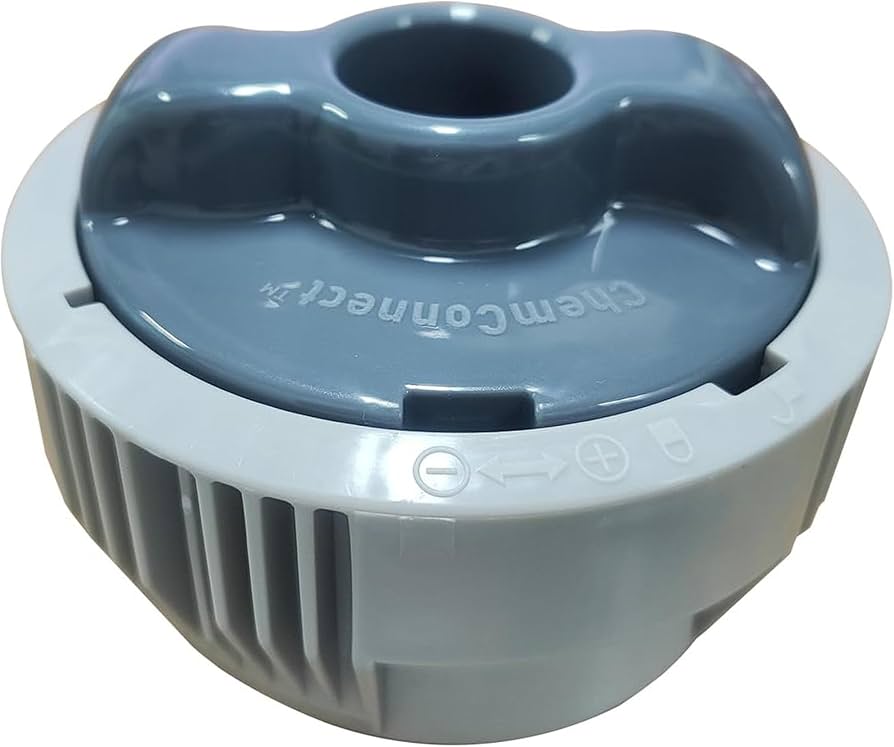
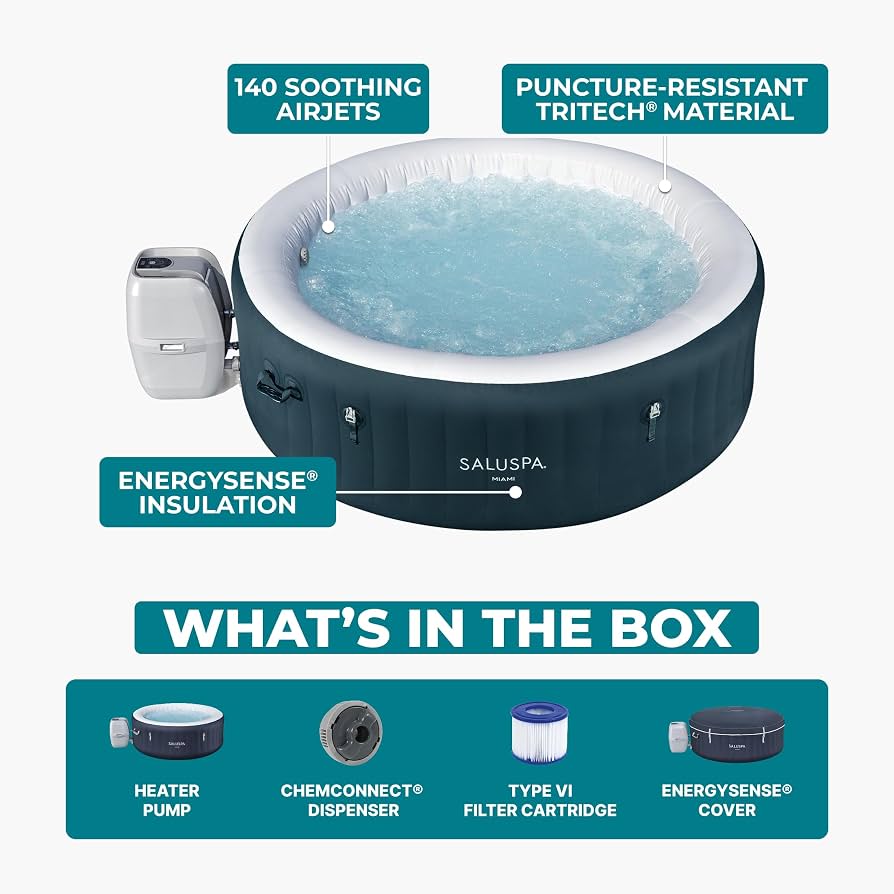
Intex and Coleman models typically rely on a dedicated filter housing slot or an inline adapter. Intex’s newer Spas often feature a specific port for their own branded salt cells, but third-party options usually require purchasing a separate adapter kit to fit standard 1.5-inch plumbing. Coleman SaluSpa models, which often use a simpler internal pump system, may require a more universal inline salt cell that clamps onto the existing hose or filter housing. SaluSpa (Bestway) units generally follow a similar pattern to Intex, often including a slot for a Bestway-specific salt cell in the control panel area.
It is critical to remember that these systems are not "chemical-free." They use salt to generate chlorine, meaning you are still managing sanitizer levels, just with a different delivery method. Always verify your specific model’s manual to ensure the salt cell fits your filter housing or inline plumbing. Mismatched adapters can lead to leaks or improper sanitation.
The following table compares the typical setup requirements and trade-offs for these major brands.
| Brand | Compatibility | Cost | Time |
|---|---|---|---|
| Intex | Built-in slot or adapter | $$ | 15 min |
| Coleman | Inline adapter required | $ | 20 min |
| SaluSpa | Brand-specific cell | $$ | 15 min |

As an Amazon Associate, we may earn from qualifying purchases.
When traditional chemicals make sense
While the salt water hot tub benefits are clear for most users, salt systems aren't a universal fix. It is important to remember that these systems are not truly "chemical-free." They generate chlorine from salt to sanitize the water, but the hardware adds complexity that can backfire in specific scenarios. If you prioritize simplicity over perceived softness, traditional granular chlorine or bromine tablets often remain the smarter choice.
Cold climates present a significant hurdle for salt chlorinators. Most salt cells are designed to operate efficiently between 60°F and 100°F. When water temperatures drop below 60°F, the chemical reaction slows down drastically, meaning your Intex, Coleman, or SaluSpa may struggle to maintain safe sanitizer levels. In freezing conditions, the salt cell itself can also be damaged by ice formation, leading to costly replacements that outweigh the savings on chemicals.
Budget constraints also favor traditional methods. Salt chlorinators require an upfront investment in the generator unit and the salt itself. For casual users who heat their pool only a few times a year, this hardware cost rarely pays off. Traditional chlorine tablets are cheap, widely available, and require no electronic components to function.
Use the comparison below to decide if the trade-off is worth it for your specific situation.
| Factor | Salt System | Traditional Chemicals |
|---|---|---|
| Water Temp | Less efficient below 60°F | Works in all temperatures |
| Upfront Cost | High (generator unit) | Low (tablets/chlorine) |
| Maintenance | Monitor cell & salt levels | Simple dosing |
| Softer, less odor | Standard chlorine smell |
Common questions about salt hot tubs
Salt water hot tub benefits are real, but they require a clear understanding of how the system actually works. It is not a "chemical-free" miracle; the chlorine generator turns salt into chlorine to sanitize the water. This means you are still dealing with chlorine, just in a more stable, self-regulating form. Here are the specific answers to the most common concerns about maintenance, costs, and health.
Note: This table highlights the primary trade-off. Salt systems reduce daily effort but increase upfront complexity.
No comments yet. Be the first to share your thoughts!