

Salt vs. chemicals for inflatable spas
Salt water systems have become a common choice for permanent, in-ground spas and hot tubs. Many owners appreciate the softer feel of the water and the reduced need to handle harsh chemicals daily. However, this convenience comes with a significant downside for inflatable models. Salt is highly corrosive and can quickly degrade the materials used in portable spas, leading to costly repairs or a ruined tub.
Inflatable hot tubs from brands like Intex, Coleman, and SaluSpa are built with specific materials designed for temporary or semi-permanent use. These tubs rely on vinyl liners and reinforced PVC layers to hold water. While these materials are durable for standard chemical treatments, they are not compatible with the high salinity levels produced by salt generators. The salt can corrode the metal frames, weaken vinyl seals, and cause the tub to leak or become structurally unsound over time.
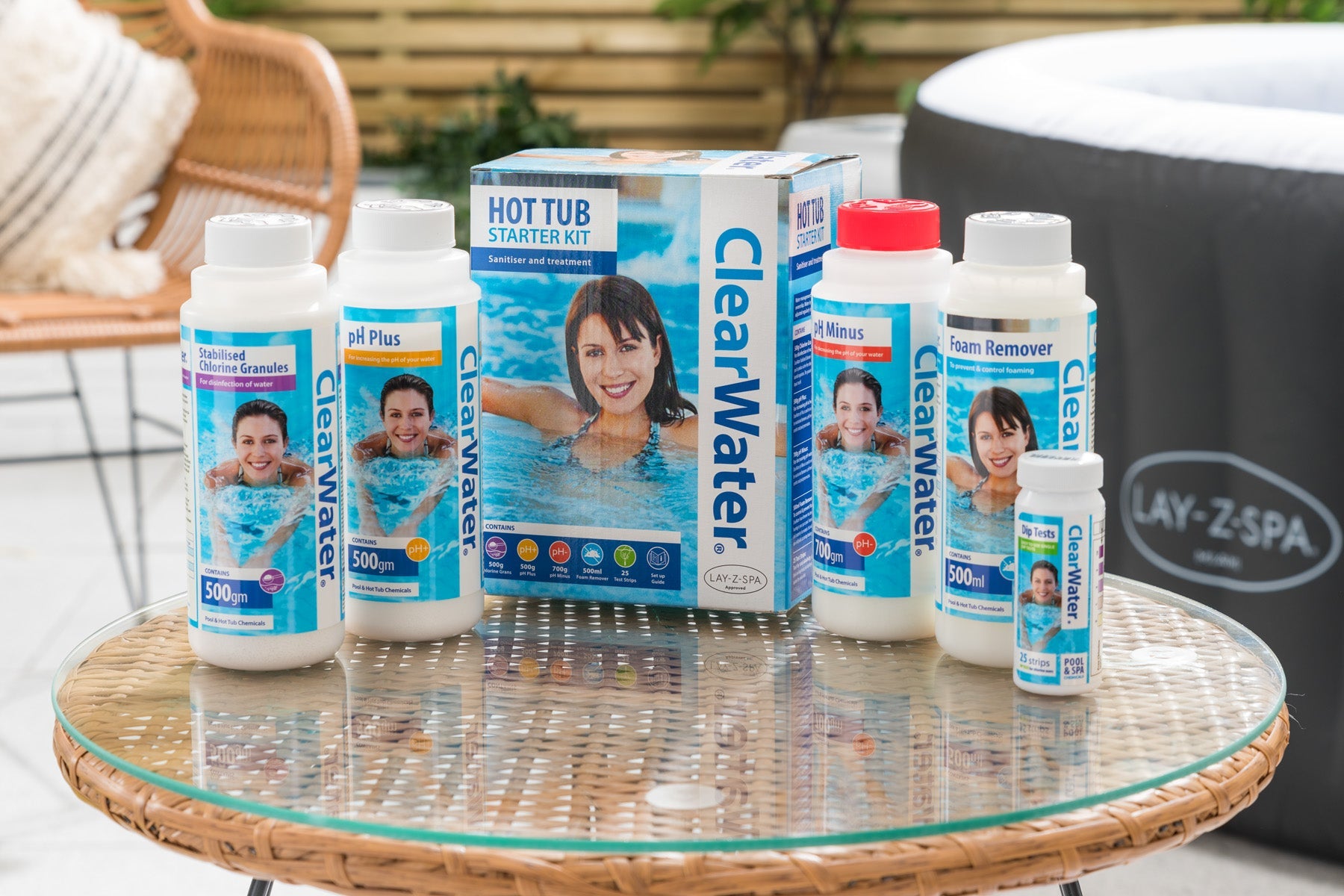
For inflatable spas, traditional hot tub chemicals remain the standard and safest option. Using a dedicated sanitizer like chlorine or bromine ensures your water stays clean without risking damage to your tub’s construction. Chlorine is effective at killing bacteria and clearing cloudy water, while bromine offers a more stable alternative that holds up well in higher temperatures. Both options are widely available, easy to dose, and specifically formulated to work safely with vinyl and PVC materials.
Starting with the right chemicals is essential for maintaining clear, safe water in your inflatable spa. You will need a sanitizer to kill bacteria, along with pH balancers to keep the water comfortable and prevent skin irritation. By avoiding salt systems and sticking to proven chemical treatments, you can extend the life of your hot tub and enjoy a safe soaking experience.
Chlorine vs. bromine for your spa
When choosing hot tub chemicals for an inflatable model, the decision usually comes down to two main sanitizers: chlorine and bromine. Both work to kill bacteria and keep your water safe, but they behave very differently in the high-heat, enclosed environment of brands like Intex, Coleman, and SaluSpa. Understanding these differences is essential for maintaining vinyl integrity and comfort.
Chlorine is the most common sanitizer because it is highly effective and inexpensive. It works quickly to destroy contaminants, making it a popular choice for those on a budget. However, chlorine is volatile. In the warm, often covered environment of an inflatable spa, it can dissipate faster than in a large outdoor hot tub. This means you may need to test and dose your water more frequently to maintain safe levels. Additionally, chlorine can produce a distinct odor and may cause skin irritation if not balanced correctly.
Bromine, on the other hand, is known for its stability. It does not break down as quickly as chlorine when exposed to heat or sunlight, which makes it particularly well-suited for the consistent warmth of inflatable spas. Bromine also produces less odor and is generally gentler on the skin and eyes. The trade-off is cost; bromine tablets are typically more expensive than chlorine, and you may find yourself replacing them more often depending on usage. For many inflatable hot tub owners, the reduced maintenance hassle and comfort outweigh the higher price tag.
To help you decide which fits your routine, here is a direct comparison of how these two chemicals perform in an inflatable setting.
| Feature | Chlorine | Bromine | Best For |
|---|---|---|---|
| Cost | Low | Higher | Chlorine |
| Stability in Heat | Breaks down faster | Stays active longer | Bromine |
| Odor & Irritation | Can cause smell/irritation | Milder, less odor | Bromine |
| Ease of Use | Requires frequent testing | More consistent levels | Bromine |
If you prioritize low upfront costs and don't mind testing your water several times a week, chlorine is a viable option. However, if you want a more set-it-and-forget-it experience with less skin irritation, bromine is the superior choice for inflatable vinyl spas.
Essential water balancers and shocks
Sanitizers like chlorine or bromine kill bacteria, but they don’t keep your water chemically balanced. Without proper balancing, your inflatable spa’s pH can swing wildly, causing skin irritation, cloudy water, and damage to the vinyl liner. This is especially critical for Intex, Coleman, and SaluSpa models, which lack the robust filtration systems of permanent spas. In these smaller volumes, a small chemical error can ruin a weekend soak.
pH and alkalinity: The foundation
Think of pH and alkalinity as the shock absorbers of your spa water. Total alkalinity stabilizes the pH level, while pH itself determines how effective your sanitizer is. If the pH is too low, the water becomes acidic and can corrode metal parts or irritate eyes. If it is too high, calcium scales form on the liner, and chlorine stops working efficiently.
For inflatable spas, you need a pH increaser and a pH decreaser on hand. Test your water twice a week using strips or a liquid kit. Adjust alkalinity first if it is out of range (aim for 80-120 ppm), then adjust pH to the ideal 7.4-7.6 range. This two-step process keeps the water clear and safe.
Shock treatments: The weekly reset
Even with daily sanitizing, body oils, lotions, and sweat build up in the water. Shock treatments (oxidizers) break down these contaminants, keeping the water crisp and odor-free. For inflatable hot tubs, use a non-chlorine shock (dichlor or sodium bromide depending on your sanitizer) once a week, or after heavy use.
Always add shock to the spa with the jets running on high. This circulates the chemical quickly throughout the small volume of water. Never mix different chemicals directly; add them one at a time to avoid dangerous reactions. After shocking, wait at least 15-20 minutes before using the spa to ensure the chemicals have dissipated.
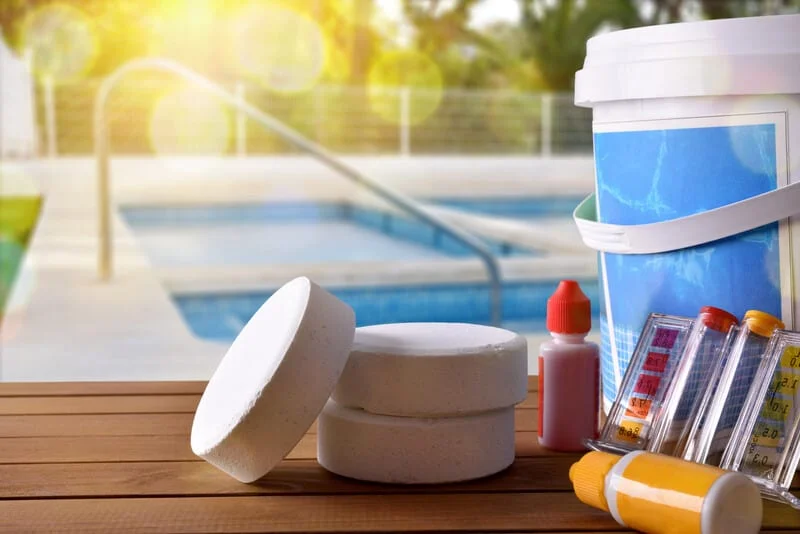
Shopping for inflatable spa chemicals
Buying the right chemicals for your inflatable tub is straightforward if you stick to the basics. Unlike built-in spas, inflatable models from Intex, Coleman, or SaluSpa rely on thin vinyl walls. This means you must avoid saltwater systems entirely, as the salt corrodes the seams and ruins the tub. Stick to chlorine or bromine tablets for sanitizing.
You will need three core items to keep the water safe and clear. A chlorine or bromine sanitizer kills bacteria. A pH increaser and decreaser keep the water from burning your skin or corroding the liner. Finally, a clarifier helps bind small particles so they can be filtered out.


As an Amazon Associate, we may earn from qualifying purchases.
Look for products labeled specifically for "spa" or "hot tub" use rather than swimming pools. Pool chemicals are often too strong for the small volume of water in an inflatable tub. Start with a basic sanitizer and pH test strips, then add a clarifier only if the water looks cloudy.
Weekly chemical testing routine
Keeping your inflatable spa clean doesn't require a chemistry degree, just a consistent weekly rhythm. For Intex, Coleman, and SaluSpa tubs, the goal is to maintain clear water and protect the vinyl liner from harsh chemical buildup. Since salt systems can damage inflatable vinyl, stick to chlorine or bromine tablets for your primary sanitizer.
Use this checklist to keep your water safe and comfortable.
Grab your test strips or liquid kit before adding anything. Test for pH (aim for 7.2–7.6) and total alkalinity (80–120 ppm). If you use chlorine, also check your free chlorine level, which should sit between 3–5 ppm. Regular testing prevents cloudy water and skin irritation.
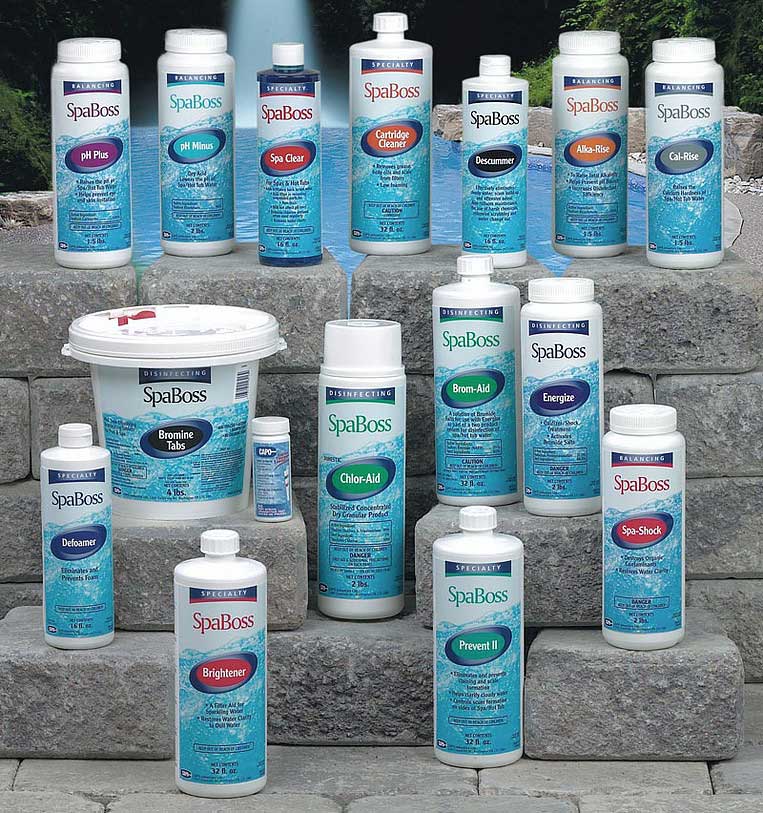
Always balance pH and alkalinity before adding sanitizer. If alkalinity is off, your pH will swing wildly, making it impossible to keep the water clean. Add alkalinity increaser if levels are low, or pH decreaser if they are high. Let the pump run for an hour before testing again.
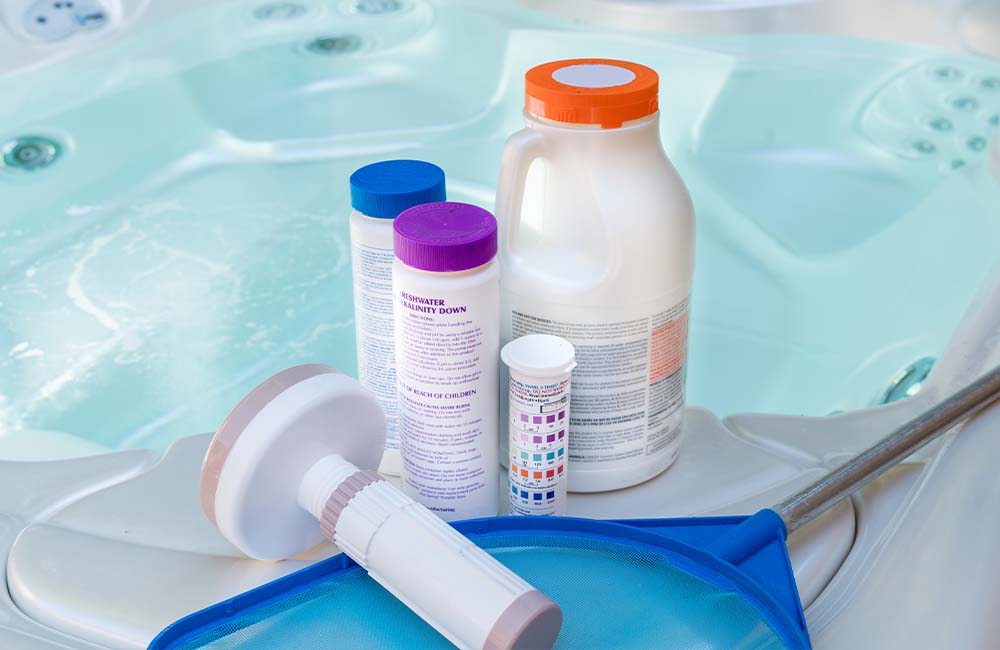
After a party or a long soak, bacteria levels spike. Add a non-chlorine shock or a chlorine shock tablet to break down contaminants. Let the tub run for at least 15–20 minutes to circulate the chemicals. This step eliminates the "chlorine smell" that actually comes from combined chlorine byproducts.
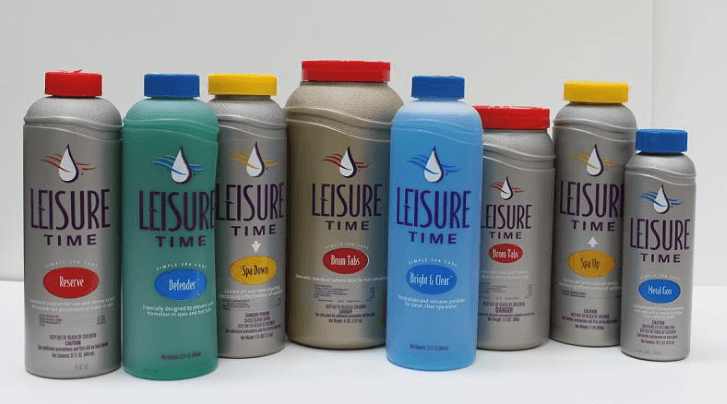
Top off your chlorine or bromine dispenser with fresh tablets. Inflatable spas lose sanitizer faster than hard-shell tubs due to temperature fluctuations and UV exposure. Ensure the dispenser is submerged in the jet stream so chemicals dissolve evenly throughout the vinyl tub.
By sticking to this routine, you extend the life of your inflatable spa and avoid the cloudy, green water that forces a full drain and refill. Consistency is the only real secret to easy hot tub chemical maintenance.
Common questions about spa chemicals
Keeping your inflatable hot tub water clean doesn't require a chemistry degree, but it does require knowing which products work with your specific tub. Whether you are using an Intex, Coleman, or SaluSpa, the goal is always the same: balance the water to prevent bacteria and keep the vinyl liner safe.
What chemicals should I use?
You only need four main types of chemicals to maintain safe water. Start with a sanitizer—chlorine is the standard choice for most inflatable spas. You will also need a pH increaser and a pH decreaser to keep the water balanced, and a total alkalinity increaser to stabilize those pH levels. Avoid salt systems, as the chlorine they produce can degrade the vinyl of inflatable models over time.
In what order do I add chemicals?
Always add chemicals to the water in this specific order to ensure they dissolve properly and don't react negatively with each other:
- Total alkalinity
- pH levels
- Calcium hardness
- Sanitizer (chlorine or bromine)
Add each chemical one at a time, allowing the pump to run for at least two hours between additions. This gives the water time to circulate and the test kit time to show accurate results before you add the next product.
Is bromine better than chlorine?
Bromine is often recommended for indoor hot tubs because it holds up better in high heat and doesn't evaporate as quickly as chlorine. However, for most inflatable outdoor spas, chlorine is the better choice. It is more affordable, easier to find, and works effectively at the typical operating temperatures of brands like Intex and SaluSpa. Bromine can be used, but it is generally overkill for smaller, inflatable units.
What chemical do I put in after use?
You should add a shock treatment or extra sanitizer after every use. The "chlorine smell" often blamed for skin irritation is actually caused by combined chlorine, which forms when sanitizer reacts with sweat and oils. Adding a shock treatment breaks down these contaminants, resetting the water to a clean state. This simple step prevents cloudy water and keeps your inflatable hot tub safe for the next soak.
No comments yet. Be the first to share your thoughts!