

The shift toward saltwater systems
I've seen more people ditching traditional chlorine jugs lately. Saltwater systems are finally moving from a niche luxury to a standard choice. The appeal isn't just avoiding that chemical smell; it's about how the water feels on your skin. You're still using chlorine to keep things clean, but the delivery method is different.
The core difference is simple: instead of regularly adding chlorine to your hot tub water, a saltwater system generates chlorine automatically through a process called electrolysis. You add salt to the water, and the system takes care of the rest. This approach is resonating with consumers who are prioritizing wellness and seeking alternatives to harsh chemicals.
This trend is being fueled by broader health and wellness predictions for 2026. Experts are forecasting a continued emphasis on preventative care and gentler, less irritating self-care routines. A hot tub experience that minimizes chemical exposure aligns perfectly with this movement. It’s interesting to consider that using salt for purification isn’t a new idea – civilizations have recognized its cleansing properties for centuries.
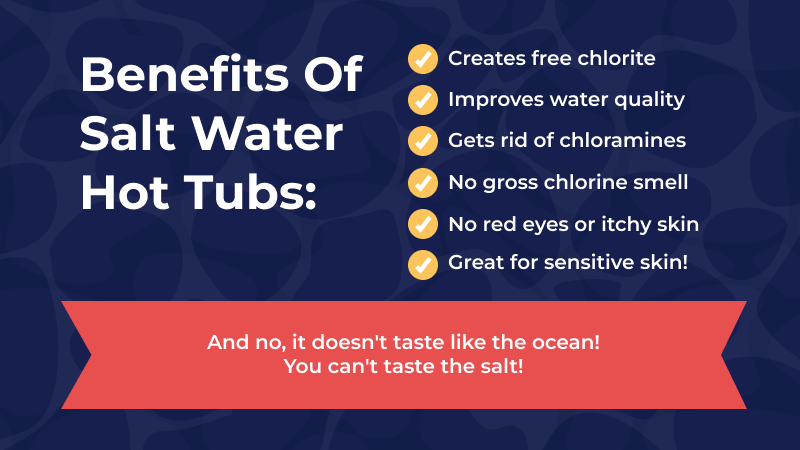
How salt generates chlorine
Traditional chlorine sanitation relies on directly adding chlorine – in the form of tablets, granules, or liquid – to the water. This is effective at killing bacteria, but it comes with drawbacks. Many people experience skin and eye irritation, that familiar chlorine odor, and the constant need to monitor and adjust chlorine levels. The pH balance also requires frequent attention to prevent corrosion or scaling.
A saltwater system is essentially a chlorine factory in your cabinet. You add bags of salt to the water, and an electrolytic cell breaks that salt down into pure chlorine. It’s a common misconception that these are 'chemical-free'—they just automate the chemical production so you don't have to do it manually.
This on-demand generation leads to more consistent chlorine levels compared to manually adding chlorine. With traditional methods, chlorine levels can spike after shocking or drop rapidly during heavy use. Saltwater systems aim to maintain a steady state, reducing fluctuations and the need for constant adjustments. The amount of salt needed is relatively low, usually around 100-200 parts per million, which is significantly less than seawater.
The chlorine produced by a saltwater system is the same chlorine that’s added directly. However, because it's generated continuously, it’s often perceived as being "softer" and less irritating. The process also creates other byproducts, like hypochlorous acid, which contribute to sanitation and can be gentler on skin.
Real health benefits for sensitive skin
The benefits of saltwater systems extend beyond just avoiding red eyes and dry skin. While reduced irritation is a major draw, the impact on individuals with sensitivities is particularly significant. People with eczema, psoriasis, or asthma often find they can tolerate saltwater hot tubs much better than those sanitized with traditional chlorine.
The softer water feel created by saltwater systems can also contribute to improved circulation and muscle relaxation. The reduced chemical exposure may be a factor, but the water itself simply feels different – less harsh and more soothing. This can enhance the therapeutic benefits of a hot tub soak.
There is a peace of mind that comes with saltwater. You aren't worrying about whether you remembered to drop a tablet in after your last soak. That consistency makes it easier to actually relax instead of treating your tub like a chemistry project.
Here's a quick look at some of the health-related advantages reported by users:
- Less stinging in the eyes and fewer itchy skin patches after a long soak.
- Improved comfort for those with sensitivities (eczema, asthma)
- Softer water feel promoting relaxation
- Potential for improved circulation
- More natural and pleasant hot tub experience
Health Benefits of Saltwater Hot Tubs
- Improved Skin Hydration - The salt water system generates a smaller amount of chlorine from salt, which is gentler on the skin and helps retain natural oils, leading to improved hydration and a softer feel.
- Reduced Muscle Soreness & Inflammation - The warmth of the water combined with the buoyancy provided by the saltwater density can help to alleviate muscle tension and reduce inflammation, aiding in post-exercise recovery.
- Potential for Better Sleep Quality - Soaking in a saltwater hot tub before bed can help regulate body temperature and promote relaxation, which may contribute to improved sleep quality and duration.
- Enhanced Circulation - The heat from the water and the massaging jets in a hot tub, particularly when combined with the mineral content of saltwater, can help to improve blood circulation throughout the body.
- Stress Reduction & Relaxation - Saltwater’s natural properties, combined with the therapeutic effects of hydrotherapy, can help lower cortisol levels (the stress hormone) and promote a sense of calm and well-being.
- Gentler on Eyes & Respiratory System - Unlike traditional chlorine systems, saltwater produces chlorine at a lower concentration, minimizing the harshness that can cause red, irritated eyes and respiratory discomfort.
- May Help Manage Joint Pain - The warmth and buoyancy of a saltwater hot tub can provide temporary relief from the pain and stiffness associated with arthritis and other joint conditions.
Maintenance Realities: Salt Isn't Zero-Effort
Let's be clear: saltwater systems aren't a "set it and forget it" solution. While they simplify some aspects of maintenance, they still require regular attention. You'll need to monitor salt levels periodically – typically with test strips – and add salt as needed to maintain the optimal range.
The salt cell itself needs to be cleaned periodically to remove calcium buildup. The frequency depends on your water hardness and usage, but generally, an inspection and cleaning every 3-6 months is a good practice. Regular water testing for pH, alkalinity, and calcium hardness is still essential, just as with a traditional chlorine system.
Compared to traditional chlorine systems, the maintenance workload is arguably different rather than necessarily easier or harder. You eliminate the need to constantly buy and add chlorine, but you introduce the task of salt cell maintenance. A common misconception is that saltwater systems require no chemicals at all – that’s not true. You will still need to use pH adjusters and alkalinity increasers.
Maintaining proper water balance – pH, alkalinity, and calcium hardness – is crucial for the longevity of your hot tub and the effectiveness of the sanitation system. Ignoring these factors can lead to corrosion, scaling, and reduced performance.
Cost Breakdown: Upfront & Ongoing
The initial investment for a saltwater system is generally higher than for a traditional chlorine system. This is primarily due to the cost of the salt cell and the control system that manages the electrolysis process. Depending on the hot tub model and features, you can expect to pay several hundred dollars more upfront.
Ongoing costs include the price of salt, which is relatively inexpensive, and the eventual replacement of the salt cell. Salt cells typically last 3-5 years, depending on usage and water quality. Replacement costs can range from $200 to $500 or more.
With a traditional chlorine system, you'll have ongoing expenses for chlorine tablets or granules, shock treatments, algaecides, and other chemicals. These costs can add up over time, and the price of chlorine can fluctuate. It’s important to consider that the cost of maintaining proper water balance is similar for both systems.
Generally, a saltwater system will cost more to purchase initially, but may offer long-term savings on chemical costs. However, the actual savings will depend on your hot tub usage, water quality, and the price of chlorine in your area. It's a trade-off between upfront investment and ongoing expenses.
- Expect to pay $300 to $800 extra upfront for the salt cell and control hardware.
- Saltwater System (Ongoing): $50 - $150/year (Salt, cell replacement every 3-5 years)
- Chlorine System (Upfront): $0 - $200 (Basic starter kit)
- Chlorine System (Ongoing): $200 - $500+/year (Chlorine, shock, algaecides, pH adjusters)
Saltwater vs. Chlorine Hot Tub Systems: A Comparison
| Factor | Saltwater System | Chlorine System |
|---|---|---|
| Initial Cost | Generally higher | Generally lower |
| Ongoing Cost | Moderate – salt and occasional cell replacement | Moderate – regular chlorine purchases |
| Maintenance Effort | Lower – less frequent shocking, automated chlorine generation | Higher – regular chlorine addition, shocking, and monitoring |
| Water Quality | Softer, more natural feel | Can feel harsh, potential for strong chemical odor |
| Skin/Eye Irritation | Lower incidence – gentler on skin and eyes | Higher incidence – can cause dryness, redness, and irritation |
| Environmental Impact | Reduced reliance on manufactured chlorine, lower chemical runoff | Production and transportation of chlorine have environmental impacts |
| System Complexity | More complex – requires salt cell and control system | Simpler – direct chemical addition |
| Chlorine Stability | Consistent chlorine levels with proper salt concentration | Fluctuates based on sunlight, bather load, and usage |
Illustrative comparison based on the article research brief. Verify current pricing, limits, and product details in the official docs before relying on it.
Top Saltwater Systems to Consider (2024/2025)
The market offers a wide range of saltwater hot tubs. Here are a few models that consistently receive positive reviews. These aren't ranked; they represent different price points and features to suit various needs.
Hot Spring Highlife Collection: Known for their energy efficiency and comfortable jets, Hot Spring’s Highlife series often includes saltwater options. They are a higher-end brand, typically ranging from $8,000 to $15,000+. Users praise the water clarity and reduced chemical odor. (hotspring.com)
Master Spas Twilight Series: Master Spas offers a variety of saltwater-ready hot tubs, including the Twilight Series, which balances features and affordability. Prices generally fall between $6,000 and $10,000. The focus is on relaxation and hydrotherapy. (masterspas.com)
Sundance Spas Optima Series: Sundance Spas is another well-respected brand with saltwater options in their Optima series. These tubs are known for their durable construction and user-friendly controls. Expect to pay between $7,000 and $12,000. (sundancespas.com)
Caldera Spas Paradise Series: Caldera offers a range of hot tubs, including saltwater-equipped models in their Paradise series. They emphasize energy efficiency and comfortable seating. Prices range from $6,500 to $11,000. (calderaspas.com)
Featured Products

Seats 4 people · Bubble Massage Spa · Saltwater Compatible
This model is a great entry point for those looking to experience a saltwater hot tub, offering comfort and ease of use.

Seats 2-4 people · 120 AirJets · Portable and Energy-Efficient
This affordable and portable option is ideal for individuals or couples seeking a spa experience without a significant investment.

Converts PureSpa pumps to saltwater · Eliminates chlorine use · Easy to install
This kit provides a direct and cost-effective solution for users who already own an Intex PureSpa and wish to transition to a saltwater system.

Seats 5-7 people · 180 AirJets · Smart HydroJet Pro System
This larger, feature-rich model is perfect for families or those who entertain, offering a luxurious saltwater spa experience with advanced jet technology.
As an Amazon Associate I earn from qualifying purchases. Prices may vary.

No comments yet. Be the first to share your thoughts!